When dealing with muscle pain or tension, massage is often the first therapy people try. Acupuncture is another well-known option, especially for pain management and overall balance. Dry needling is sometimes mentioned alongside both, which can create confusion.
Understanding how these therapies differ helps set realistic expectations and makes it easier to choose an option that is both effective and accessible.
When Massage Stops Being Enough
Massage therapy is highly effective for easing general muscle tightness, reducing stress, and supporting recovery. However, some types of pain do not respond fully to hands-on techniques alone.
Persistent stiffness, sharp discomfort during specific movements, or pain that keeps coming back in the same exact spot are often signs of deeper muscular dysfunction. These issues are commonly linked to trigger points or neuromuscular imbalances that massage may not fully resolve.
This is often the point where people start exploring needle-based therapies.
Acupuncture as the Most Accessible Needle-Based Option
Acupuncture is widely practiced and permitted across the United States. Rooted in traditional Chinese medicine, it focuses on stimulating specific points in the body to support balance, pain relief, and overall well-being.
While acupuncture is not limited to muscles alone, many people seek it for issues such as chronic pain, tension headaches, joint discomfort, and stress-related symptoms. For those curious about needle-based treatments, acupuncture is typically the most accessible and regulated option.
Where Dry Needling Fits in the Conversation
Dry needling is sometimes discussed alongside acupuncture because it also uses thin needles. However, it is based on Western anatomy and focuses specifically on muscular trigger points rather than energy pathways.
It is important to note that dry needling is not universally permitted in the United States. Its availability depends on state regulations and professional licensing, and it is often restricted to certain healthcare settings.
For this reason, dry needling is best understood as a related but less accessible approach rather than a standard alternative to acupuncture or massage.
Key Differences at a Glance
Massage Therapy
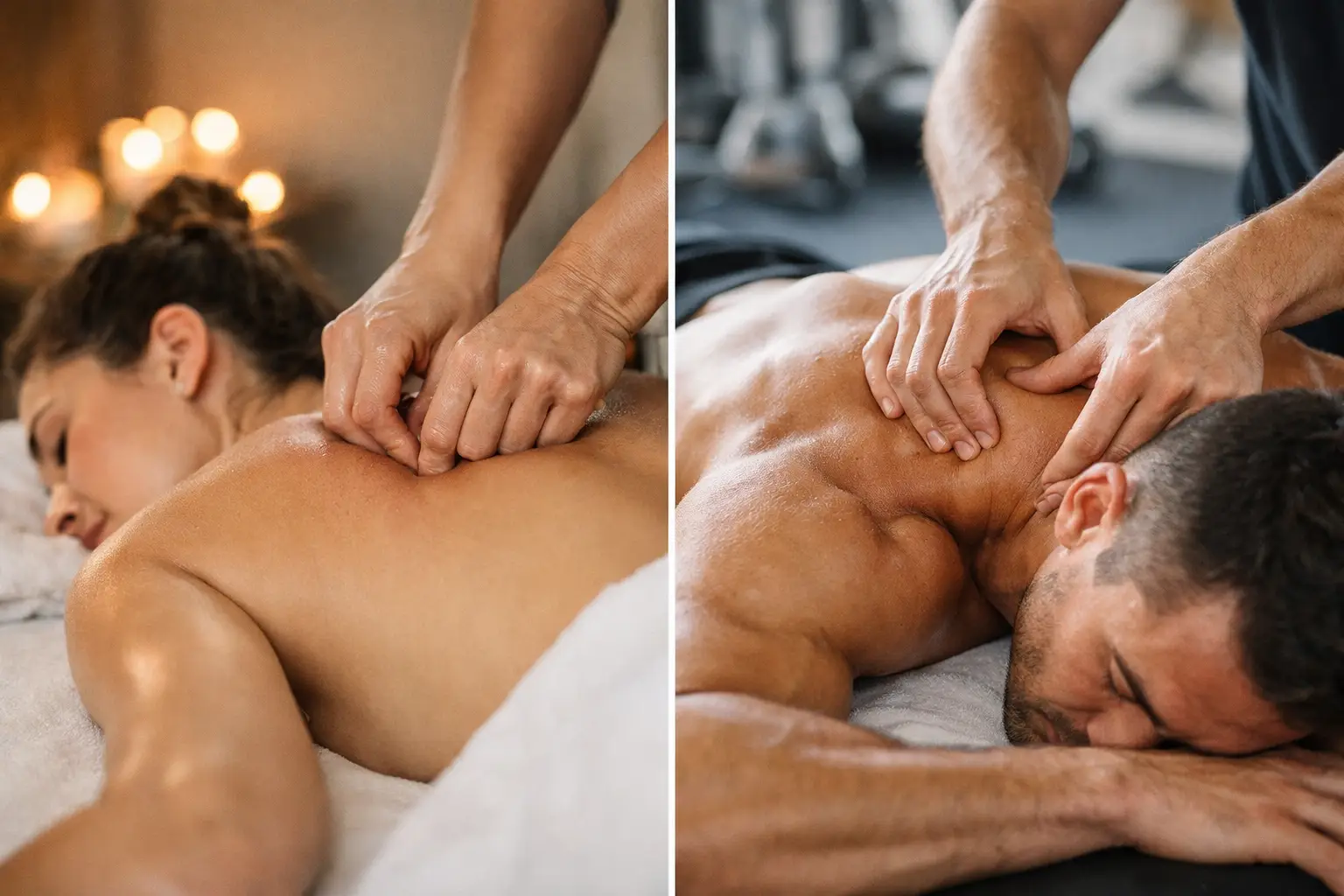
Works externally on muscles using hands-on techniques to reduce tension, improve circulation, and promote relaxation. Widely accessible and commonly used for stress relief and general muscle care.
Acupuncture
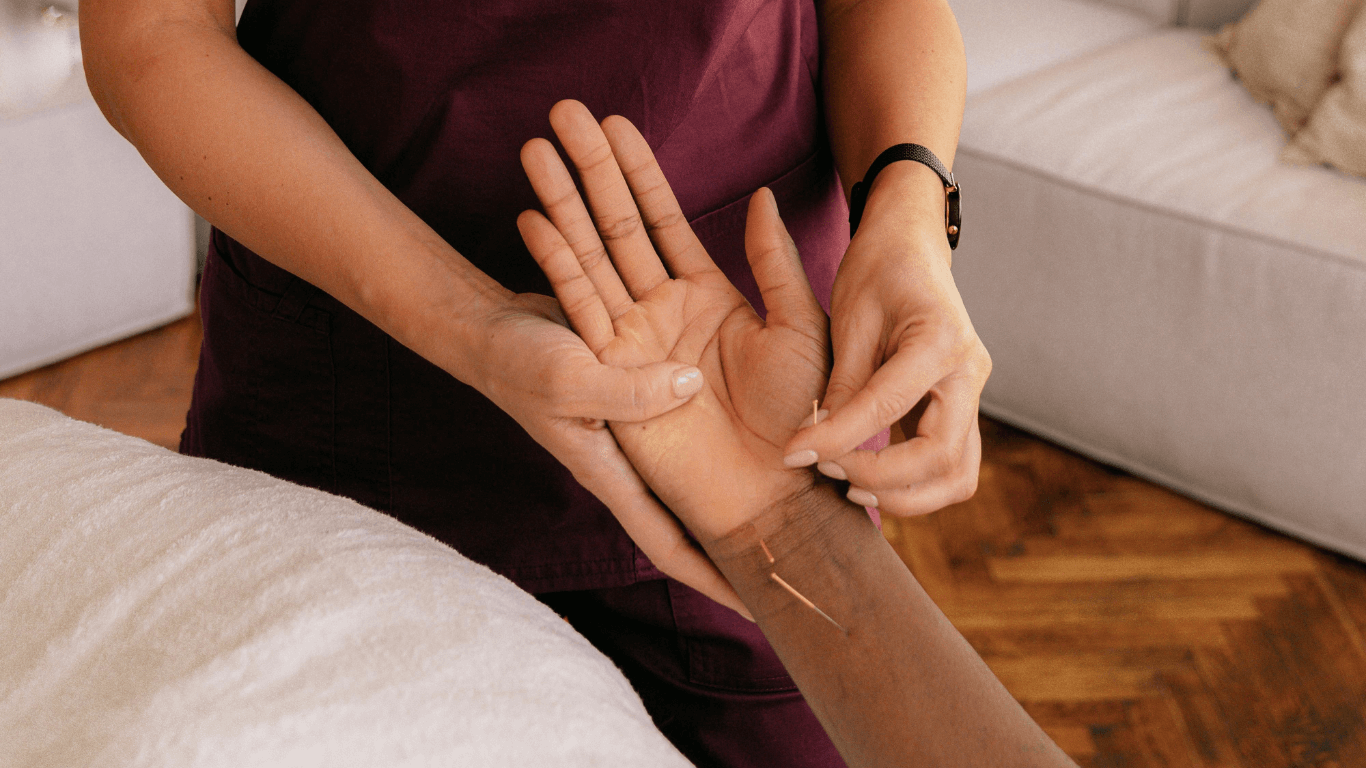
Uses thin needles placed at specific points throughout the body to support balance and pain relief. Broadly permitted in the US and often chosen for chronic pain and holistic wellness.
Dry Needling
Targets muscular trigger points using needles, based on Western anatomical principles. Availability is limited and depends on local regulations and provider qualifications.
What the Experience Feels Like
Massage sessions are typically calming and restorative. Acupuncture sessions are generally gentle, with minimal sensation once the needles are placed, and are often described as relaxing.
Dry needling, when available, tends to feel more intense and localized, as it targets specific muscular points rather than promoting overall relaxation.
Choosing a Practical Option for Your Needs
For relaxation, stress management, and general muscle maintenance, massage therapy remains a practical first choice. If you are looking for a needle-based approach that is widely accessible, acupuncture is typically the most reliable option in the US.
Dry needling may be discussed by some providers, but its availability varies and should always be considered within the context of local regulations.
If you are considering massage, acupuncture, or other therapeutic approaches, working with a qualified professional is key. To explore trusted wellness providers and learn more about available therapies in your area, visit MySpaList.com, where you can discover verified practitioners and services designed to support recovery, mobility, and overall well-being.