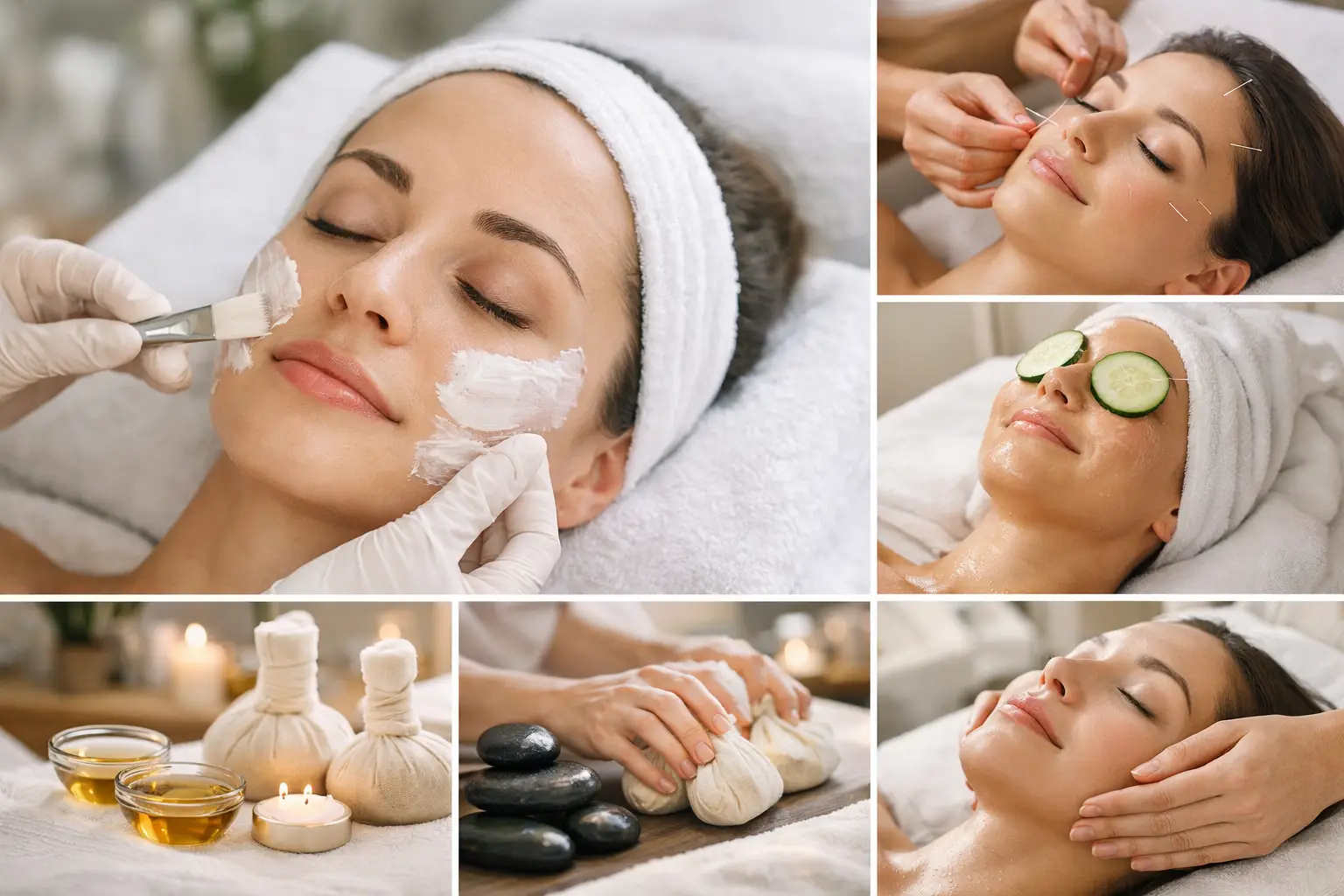
Sensitive skin usually tells you quickly when a facial is the wrong fit. Tightness, stinging, heat, or next-day redness can turn a relaxing appointment into a recovery period. That is why finding the best facials for sensitive skin starts with one simple goal – choose treatments that calm the skin barrier instead of challenging it.
Not every person with sensitive skin reacts to the same thing. For some, fragrance is the issue. For others, it is exfoliating acids, steam, aggressive extractions, or too many active ingredients layered at once. The right facial is less about trends and more about how carefully the service is tailored to your skin.
What makes a facial good for sensitive skin
A good sensitive-skin facial focuses on reducing inflammation, supporting barrier repair, and keeping stimulation low. In practice, that usually means gentle cleansing, limited exfoliation, soothing masks, barrier-supporting serums, and a provider who is willing to skip steps that may be too much for your skin.
The best treatments are often less dramatic than the facials you see advertised for instant glow or deep resurfacing. That is not a drawback. When your skin is reactive, consistency and comfort matter more than intensity.
Best facials for sensitive skin
1. Hydrating facial
A hydrating facial is often the safest starting point for reactive skin. This type of service is designed to restore moisture, reduce tightness, and support the outer skin barrier. It usually includes a mild cleanser, a gentle enzyme or no exfoliation at all, hydrating masks, and products with ingredients like hyaluronic acid, glycerin, ceramides, or aloe.
This is a strong option if your skin feels dry, flushed, or easily irritated by weather, travel, or overuse of active skincare. It is also a good first facial if you are not sure how your skin will respond to professional treatment.
2. Calming or redness-relief facial
If your main issue is visible redness, warmth, or frequent reactivity, a calming facial is one of the best facials for sensitive skin. These treatments are usually built around anti-inflammatory ingredients and low-stimulation techniques. Think cool compresses, fragrance-free masks, and little to no manual exfoliation.
Many estheticians offer a version of this facial under different names, so it is worth reading the service description closely. You want to see words like soothing, barrier support, gentle, or redness relief – not peel, resurfacing, or deep extraction.
3. Oxygen facial
An oxygen facial can work well for some people with sensitive skin because it tends to be noninvasive and light on friction. The goal is usually hydration and temporary plumping rather than aggressive correction. When done with simple, non-irritating serums, it may leave skin looking refreshed without the downtime that comes with stronger treatments.
That said, this is one of those it-depends services. Some oxygen facials include added actives that may not suit reactive skin. If you are considering one, ask exactly what serum will be used and whether fragrance, acids, or retinoid-based ingredients are part of the treatment.
4. Enzyme facial with very mild exfoliation
Sensitive skin still needs exfoliation sometimes, but the method matters. A mild enzyme facial can be a better choice than scrubs, stronger acids, or microdermabrasion. Enzymes work more gently on surface buildup and can help improve dullness without the same level of irritation risk.
The key word here is mild. If your skin is highly reactive, even enzyme treatments may be too much during a flare-up. A skilled esthetician should be comfortable shortening the exfoliation step or skipping it completely if your skin looks stressed that day.
5. Barrier repair facial
Some spas and estheticians specifically offer barrier repair facials. These are ideal if your skin has become sensitized from over-exfoliation, prescription actives, seasonal dryness, or too many skincare experiments at home. The treatment usually centers on replenishing moisture and lipids while avoiding ingredients that increase heat or cell turnover.
This can be an especially smart option if your skin suddenly became sensitive rather than always being that way. In many cases, what feels like sensitive skin is actually a compromised barrier that needs a break.
6. Lymphatic drainage facial massage
A gentle facial with light lymphatic drainage massage can help if your skin tends to look puffy, tired, or inflamed. The pressure should be very light, not vigorous. When done correctly, this technique can support circulation and reduce facial swelling without the harshness of more aggressive treatments.
It works best as part of a calming or hydrating facial, not as an intense sculpting session. If you have rosacea-prone skin or you flush easily, let your provider know so they can keep pressure and stimulation low.
7. LED light facial, especially red light
LED facials can be a good add-on or standalone treatment for sensitive skin because they do not rely on abrasion or heat in the same way many corrective facials do. Red LED is commonly used to support healing and calm inflammation, which may make it a practical choice for reactive skin types.
Still, device settings and skin condition matter. If your skin is actively irritated, post-procedure, or dealing with a rash, it is best to ask whether LED is appropriate before booking.
Facials that may not be the best fit
Some services are more likely to trigger sensitive skin, especially if your skin barrier is already compromised. Strong chemical peels, microdermabrasion, dermaplaning on irritated skin, high-frequency treatments, and facials focused on heavy extractions can all be too much for certain people.
That does not mean these treatments are always off-limits forever. It means they are not usually the best starting point if your skin burns easily, stays red for hours, or reacts unpredictably. A good esthetician will not push a more intensive service just because it is popular.
How to choose the right esthetician for sensitive skin
The provider matters just as much as the facial menu. Sensitive skin requires customization, and that starts before the treatment even begins. Look for an esthetician who asks detailed intake questions, reviews your current products, and wants to know about allergies, prescriptions, or recent skin reactions.
Service descriptions can tell you a lot. If a facial emphasizes calming, hydration, and skin barrier support, that is a better sign than language focused on deep exfoliation or instant transformation. Reviews can also be useful, especially when clients mention redness, rosacea, reactive skin, or how careful the provider was during treatment.
If you are comparing local options, a marketplace like MySpaList can help narrow the search by service type and location so you spend less time sorting through unrelated listings.
Questions to ask before you book
You do not need to know every skincare ingredient to book smart. A few direct questions can help you avoid a bad experience. Ask whether the facial can be customized for sensitive skin, whether steam and extractions are optional, and what type of exfoliation is included.
It is also smart to ask if the provider uses fragrance-free or low-fragrance products and whether they can avoid acids, scrubs, or strong actives if needed. If your skin is especially reactive, tell them what has triggered you before. A competent provider should treat that information as essential, not incidental.
How to prepare for a facial if your skin is reactive
The days before your appointment matter. Avoid introducing new products, and consider pausing stronger actives like retinoids, exfoliating acids, or prescription treatments if your dermatologist or provider says that is appropriate. Showing up with already irritated skin limits your treatment options.
Come prepared to describe your skin clearly. Saying my skin is sensitive helps, but saying I sting with vitamin C, flush with steam, and get red after scrubs gives your esthetician something useful to work with.
What to expect after the appointment
After a good facial for sensitive skin, your face should feel comfortable, hydrated, and calm. A little pinkness can happen, especially if you are naturally reactive, but you should not leave feeling raw or overheated.
Keep your post-facial routine simple. Use a gentle cleanser, a basic moisturizer, and sunscreen during the day. Skip exfoliants and strong actives for a bit unless your provider gives you a clear plan. If a facial leaves you irritated every time, it is not the right service for your skin, no matter how popular it is.
The best facial is the one your skin can tolerate well
The best facials for sensitive skin are usually the least aggressive ones: hydrating facials, calming facials, barrier repair treatments, gentle enzyme facials, light lymphatic massage, and carefully selected LED or oxygen treatments. The common thread is simple – they respect the skin barrier.
If you are booking locally, look for an esthetician who treats sensitivity as a real treatment factor, not a footnote. Your skin does not need the strongest facial on the menu. It needs one that leaves it steadier than it was when you walked in.