A lot of people think poor sleep starts in the mind. Stress, screen time, overthinking, all of that. And yes, those things matter. But sometimes the issue is more physical than people realize.
If your neck is strained, your shoulders are tight, or your lower back never fully relaxes, sleep can feel lighter, more restless, and less restorative. You might technically be in bed for eight hours and still wake up feeling stiff, tense, or just… off.
That’s where the connection between posture and sleep becomes important. The way your body is positioned at night can shape how well you actually rest.
The Connection Between Posture and Sleep
Your body is supposed to recover while you sleep. Muscles soften. Joints decompress. The nervous system gets a chance to settle.
But if your body spends the whole night slightly twisted, unsupported, or holding tension, that recovery process doesn’t happen as easily.
This can show up in simple ways:
- waking up with neck pain
- tight shoulders in the morning
- lower back discomfort
- tossing and turning more than usual
- never quite feeling rested
For a lot of people, bad sleep is not just about sleep habits. It’s also about whether the body feels safe and supported enough to fully let go.
Common Posture Problems That Can Affect Sleep
Most sleep posture issues don’t begin in bed. They usually start during the day.
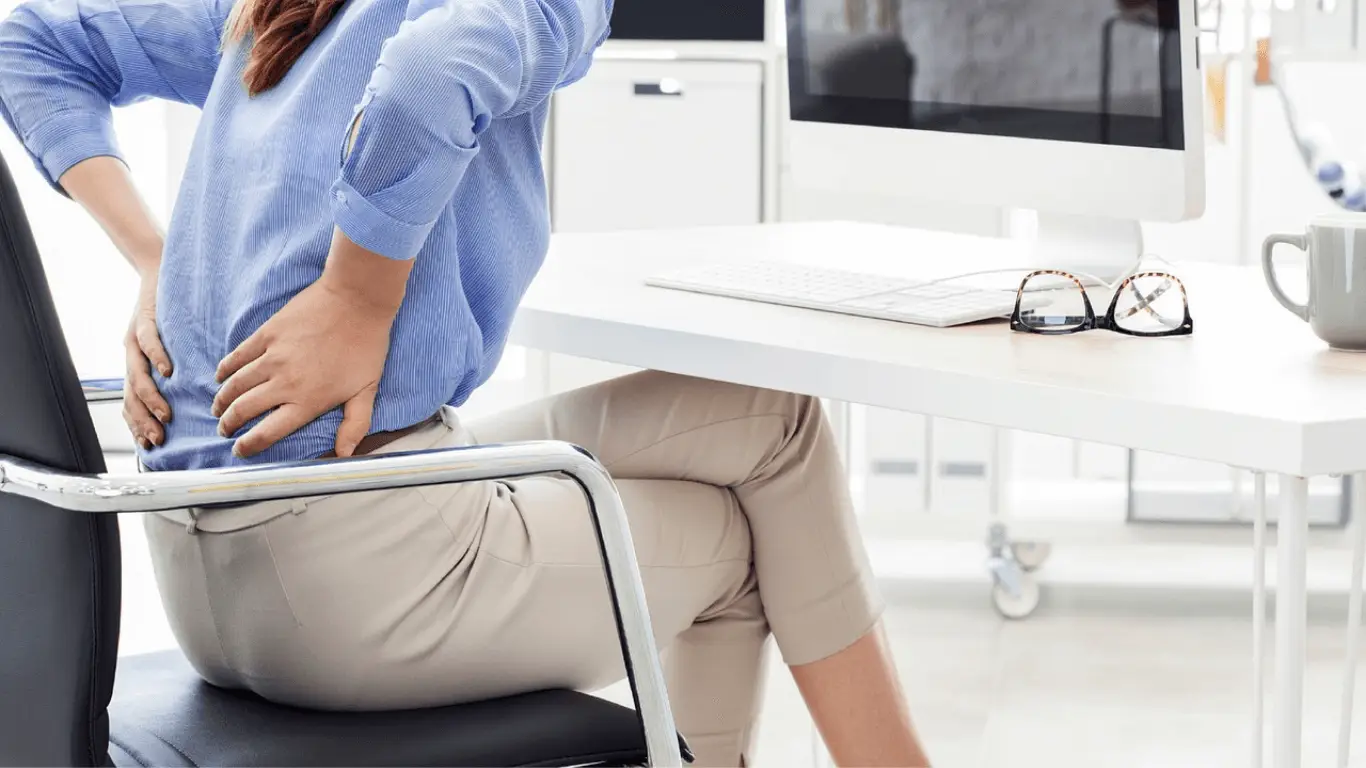
If you sit for hours, look down at your phone a lot, carry stress in your upper body, or spend most of the day slightly hunched over, your body often brings that tension into the night.
A few common patterns tend to show up:
Forward head posture
This is very common if you work at a laptop or are constantly on your phone. It creates extra tension through the neck and upper shoulders, which can make it harder to get comfortable once you lie down.
Rounded shoulders
When the chest feels tight and the upper back feels stiff, side sleeping can become less comfortable, especially if one shoulder is collapsing inward all night.
Tight hips and lower back tension
This often comes from too much sitting. The hips get stiff, the pelvis loses some mobility, and the lower back starts compensating.
Uneven sleeping positions
A lot of people sleep with one leg pulled far forward or the body slightly twisted without realizing it. It may feel normal, but it can put extra pressure on the spine over time.
None of these things sound dramatic. But when they happen for six or seven hours straight, your body feels it.
Best Sleeping Positions for Better Alignment
There is no perfect sleep position for every person. But some positions tend to support spinal alignment better than others, especially if you use the right pillow support.
Side sleeping
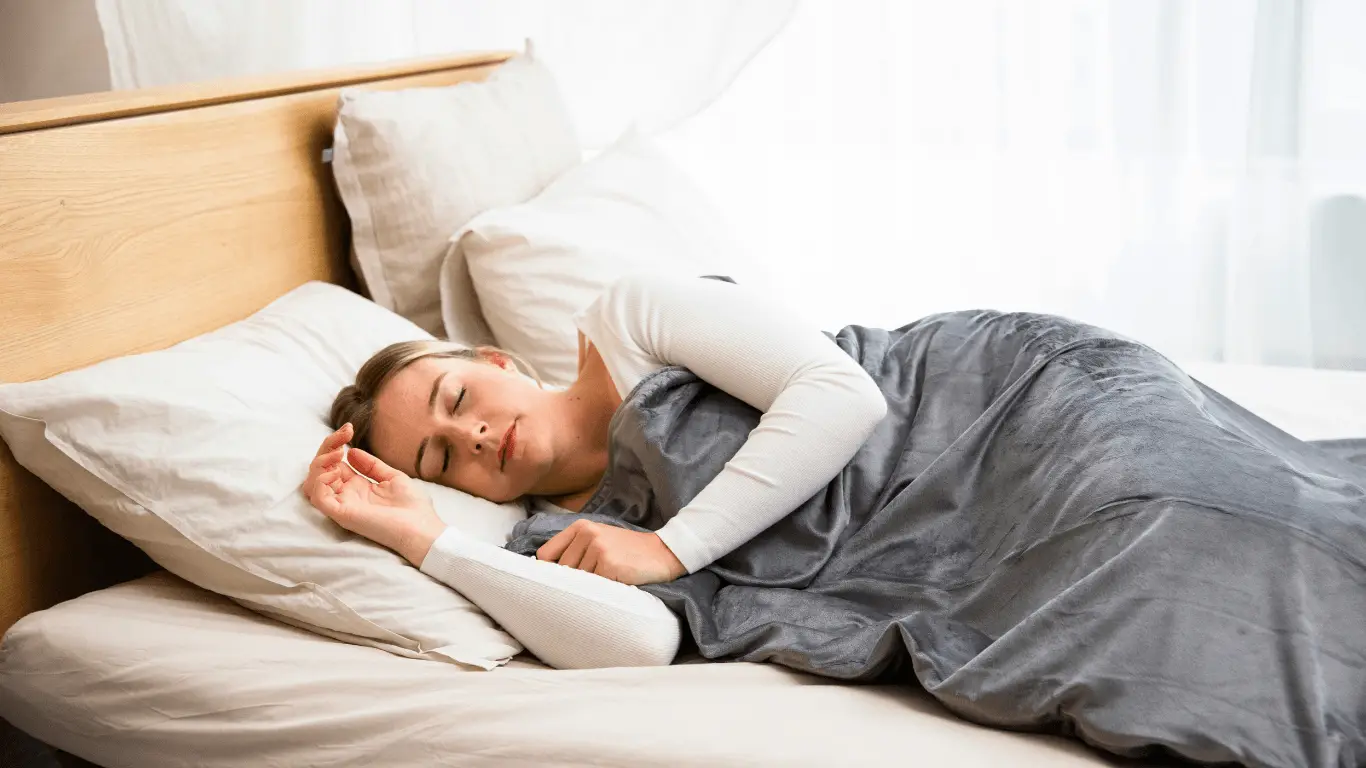
For many people, this is one of the most comfortable and sustainable options. It can work especially well if you place a pillow between your knees to help keep the hips more level.
That small adjustment can make a bigger difference than people expect, especially if you wake up with lower back or hip tightness.
Back sleeping
Sleeping on your back can be a good option if your pillow keeps your neck supported without pushing your head too far forward. Some people also feel better with a pillow under the knees, which can take pressure off the lower back.
Stomach sleeping
This is usually the hardest on the body. It tends to put the neck in a rotated position for hours and can also compress the lower back.
Some people naturally sleep this way and feel fine, but if you often wake up sore, it’s worth paying attention to.
The point is not to obsess over the “right” position. It’s more about whether your body feels neutral, supported, and able to relax.
How Muscle Tension Can Interfere With Sleep
Even if your mattress is decent and your pillow is fine, muscle tension can still get in the way of good sleep.
That’s often the missing piece.
If your shoulders are always slightly lifted, your jaw is tight, or your hips never really release, your body may struggle to settle into deep rest. You may not even notice it while falling asleep, but you’ll often notice it the next morning.
This kind of tension can make you:
- shift positions all night
- wake up feeling braced instead of rested
- feel sore for no obvious reason
- have trouble getting physically comfortable before sleep
For some people, this becomes a cycle. Poor posture creates tension. Tension affects sleep. Poor sleep makes the body feel even more reactive the next day.
And then it repeats.
How Massage Can Help
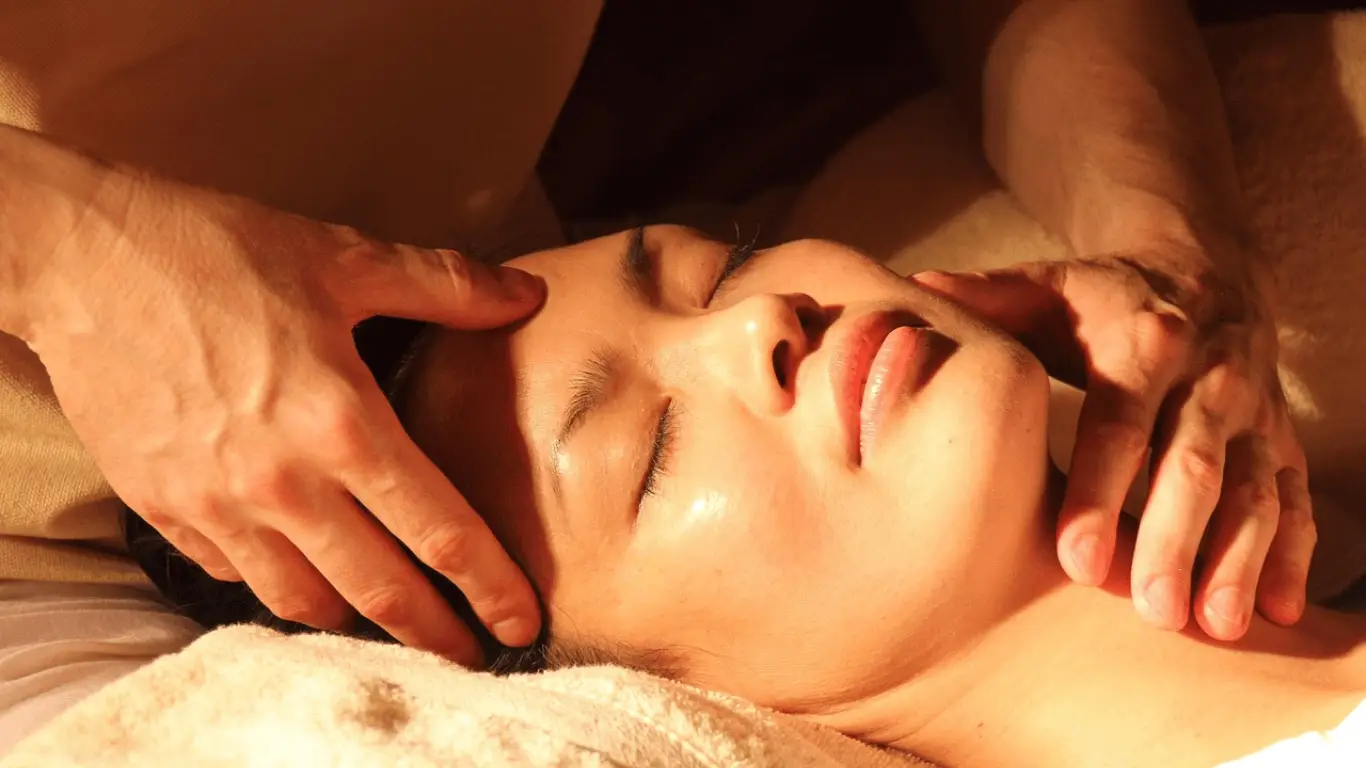
This is one reason massage and bodywork can be so helpful, especially for people who feel like their sleep issues are partly physical.
Massage is not about “fixing” posture in one session. But it can help reduce some of the muscular resistance that makes restful sleep harder in the first place.
It may help by:
- easing tension in the neck and shoulders
- reducing tightness through the back and hips
- helping the body feel more comfortable at rest
- supporting relaxation before bedtime
- improving body awareness overall
For someone dealing with poor sleep posture, that can be genuinely useful.
Sometimes the body does not need a dramatic solution. It just needs less tension, better support, and a chance to stop working so hard.
Daily Posture Tips That May Improve Sleep
You do not need a full wellness reset to support better sleep. A few small changes can go a long way.
Move more during the day
If you sit for long stretches, try to get up regularly. Even a few minutes of walking or stretching helps.
Pay attention to your screen setup
If your laptop is too low or your phone is constantly pulling your head down, your neck and shoulders are probably carrying more tension than you think.
Stretch what gets tight
For many people, that means the chest, upper back, hips, and hamstrings. Nothing extreme. Just enough to help the body feel less compressed.
Reassess your pillow
Sometimes the issue is not your body. It’s just that your pillow is too high, too flat, or no longer supportive.
Use pillows more strategically
A pillow between the knees, under the knees, or tucked under an arm can help your body rest in a more natural position.
Notice how you wake up
Morning discomfort is useful information. If you keep waking up sore in the same place, your body is probably trying to tell you something.
Sleep is not only about how long you stay in bed. It is also about what your body is doing while you are there.
The relationship between posture and sleep is easy to overlook, but it can have a real impact on how deeply and comfortably you rest. If your body is carrying tension, misalignment, or strain into the night, sleep may never feel as restorative as it should.
Sometimes better rest starts with something simple: a little more support, a little less tension, and a body that finally gets the chance to relax.
If you are looking for support, explore massage and bodywork providers on MySpaList and find wellness options that may help you sleep more comfortably.