If you have ever looked at a spa or massage menu and wondered what separates lymphatic drainage from deep tissue, or Thai massage from myofascial release, you are already asking the right question. Specialized modalities massage is not just a longer service menu. It is a way to match a specific technique to a specific goal, whether that goal is stress relief, athletic recovery, prenatal comfort, or help with ongoing muscle tension.
For many people, the hardest part is not deciding to book a massage. It is figuring out which modality actually fits what their body needs. A general relaxation massage can be a great option, but it will not always be the best fit for swelling, range-of-motion issues, post-workout soreness, or pregnancy-related discomfort. That is where specialized work starts to matter.
What specialized modalities massage actually means
Specialized modalities massage refers to massage techniques that are designed around a particular purpose, body system, or client need. Instead of offering one broad massage experience for everyone, therapists train in distinct approaches that use different pressure, pacing, body positioning, and methods.
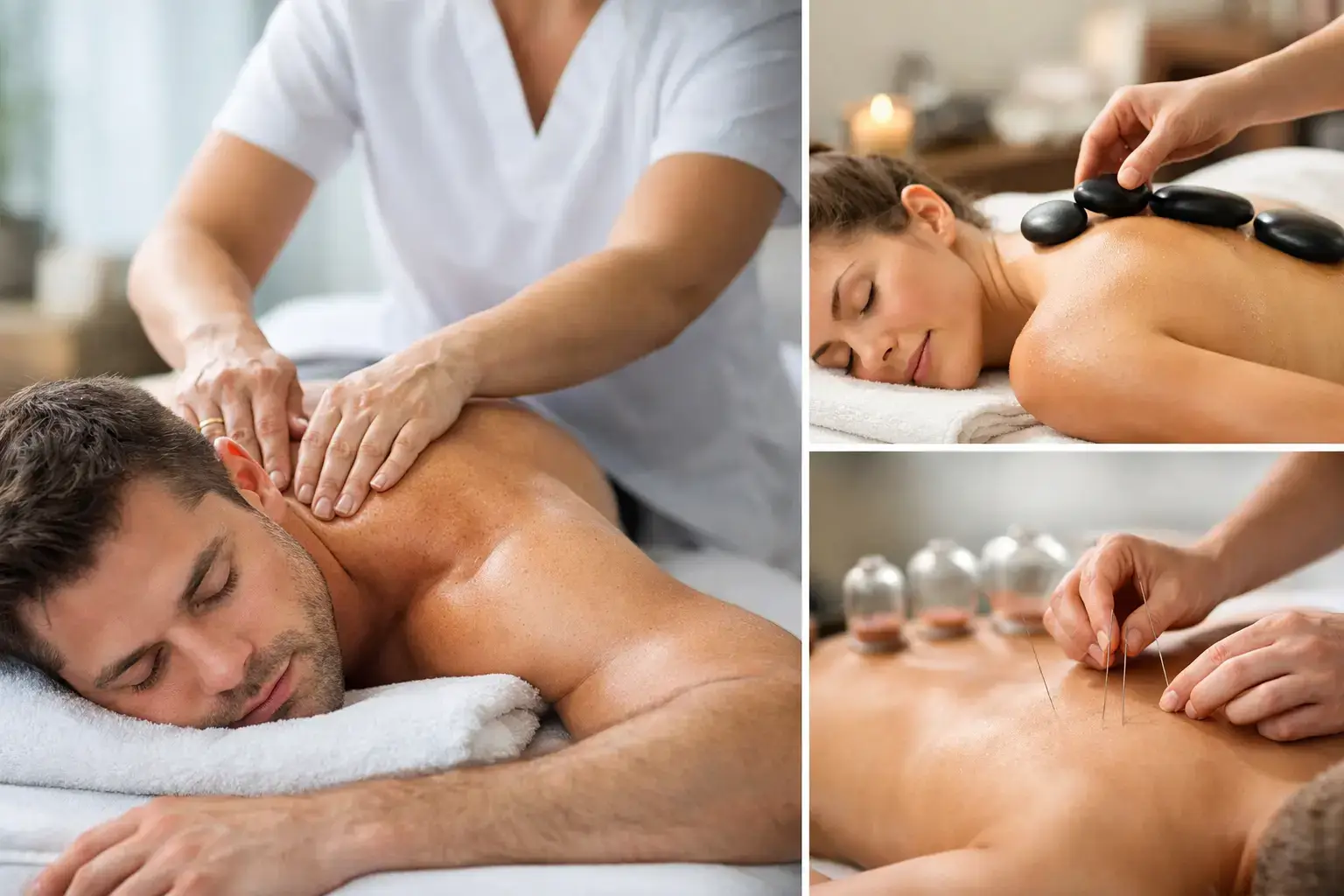
Some modalities are built around outcomes that feel familiar to most clients, such as easing tight shoulders or reducing stress. Others are more targeted. Lymphatic drainage focuses on gentle movement that supports fluid flow. Sports massage often addresses performance, recovery, and overuse. Prenatal massage is adapted for the changing needs and safety considerations of pregnancy. Reflexology centers on specific pressure points, while Thai massage may involve assisted stretching and movement.
That variety is useful, but it can also create confusion. Names alone do not tell you whether a service will feel slow or intense, whether oil is used, whether you stay fully clothed, or whether the session is meant to calm the nervous system or work on a stubborn physical issue. The best way to think about specialized massage is simple: the technique should fit the reason you are booking.
Why specialized modalities massage matters
When people search for massage, they are often solving a real problem. Sometimes that problem is obvious, like neck pain after long workdays, heavy legs after travel, or soreness after training. Other times it is broader, like burnout, poor sleep, or a body that feels constantly tense.
A specialized modality can improve the odds that the session addresses that concern directly. Deep tissue may be a better fit than Swedish massage for chronic muscle tightness. Prenatal massage may feel far more comfortable than a standard table setup during pregnancy. If you want movement-based bodywork rather than a traditional oil massage, Thai massage may make more sense.
That does not mean specialized is always better. It means better matched. A client who wants quiet, general relaxation may not need a highly targeted modality. Someone with a medical condition or recent surgery may need to confirm whether a certain service is appropriate before booking. Results depend on the issue, the therapist’s training, and how your body responds.
Common modalities and what they are best for
A few categories tend to come up again and again because they serve distinct needs.
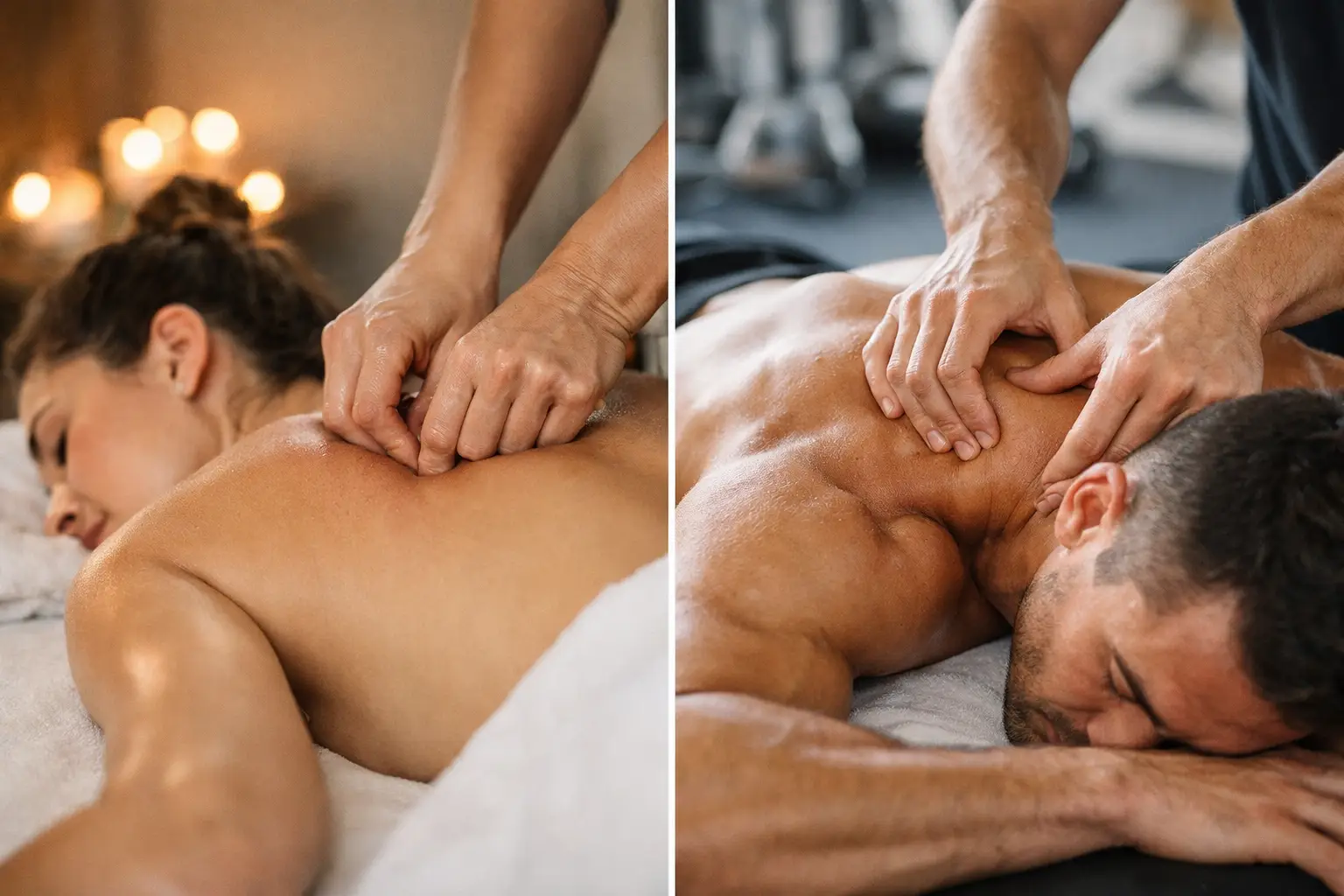
Deep tissue massage is usually chosen for dense muscle tension, knots, and areas that feel chronically tight. It can be helpful, but more pressure is not automatically more effective. For some people, deep tissue is exactly right. For others, it can be too aggressive if the tissue is inflamed or the nervous system is already stressed.
Sports massage is often associated with athletes, but it is not limited to them. It can work well for active adults, runners, gym-goers, and anyone dealing with repetitive strain. Sessions may focus on performance, recovery, or maintenance depending on timing and goals.
Prenatal massage is tailored for pregnancy. Positioning, pressure, and areas of focus are adjusted with safety and comfort in mind. Clients often seek it for lower back tension, hip discomfort, swelling, and general stress.
Lymphatic drainage is much lighter than many first-time clients expect. If you want a firm pressure massage, this is usually not it. It is chosen for gentle support, often related to fluid retention, post-procedure care when appropriate, or a feeling of heaviness and puffiness.
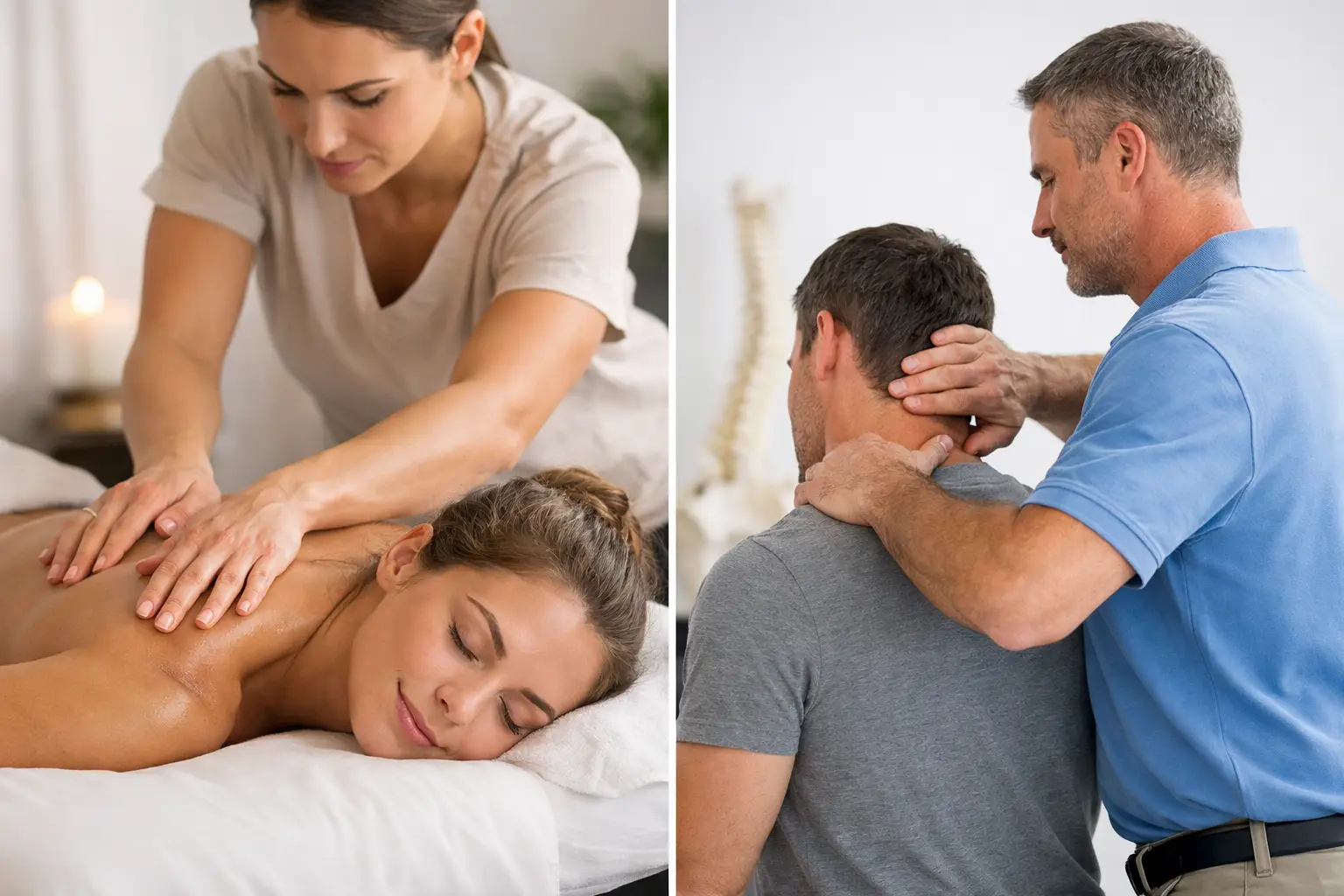
Thai massage is different from a standard table massage because it often includes stretching and assisted movement. Some people love that active approach. Others prefer a more passive, quiet session. Neither preference is wrong.
Reflexology appeals to clients who want focused work on the feet, hands, or ears. Some book it for relaxation, while others are specifically interested in pressure point-based treatments.
Myofascial release is often sought out by clients dealing with restriction, limited mobility, or patterns of tension that do not change with basic massage alone. The pace may feel slower and more deliberate than people expect.
How to choose the right modality for your goal
The fastest way to narrow your options is to start with your outcome, not the service name. Ask yourself what you want to change after the appointment. Do you want less pain, less stress, better mobility, reduced swelling, pregnancy support, or recovery after physical activity?
If your answer is mostly relaxation, a classic massage may be enough. If your answer is specific, such as post-workout soreness, scar tissue concerns, or prenatal discomfort, that points more clearly toward a specialized modality. This is where detailed service menus and local search filters become genuinely useful. They save time and reduce the guesswork that comes from generic listings.
It also helps to think about pressure and session style. Some clients assume therapeutic always means deep pressure. Not true. Effective bodywork can be light, moderate, or firm depending on the modality and the issue. If you dislike intense pressure, say so. If you do not want stretching, say that too. A good match depends as much on session style as it does on the modality name.
What to look for when booking a local provider
Once you know the type of massage you want, the next step is choosing the right therapist or spa. This is where local discovery matters. The best provider for a specialized modality is not just the nearest one. It is the one whose services, training, and availability line up with your needs.
Look closely at whether the provider lists that modality clearly as part of their menu. A therapist who regularly offers prenatal massage or lymphatic drainage is different from one who mainly does relaxation massage and mentions everything broadly. Service detail matters.
You should also check practical factors that affect comfort and follow-through. Location matters if you plan to book regularly. Session length matters because some modalities work best with more time. Gender preference matters for some clients. Availability matters if you are trying to manage a recurring issue rather than book a one-time appointment.
This is one reason platforms like MySpaList are useful for consumers with specific search intent. Instead of sorting through broad directories, you can look for providers by modality, location, and other filters that actually shape your decision.
Questions worth asking before you book
A short conversation can prevent a poor fit. Ask how the therapist approaches the modality, what the session typically feels like, and whether it is appropriate for your current concern. If you are booking for pain, recovery, pregnancy, or post-procedure support, clarity upfront is worth it.
You can also ask whether the session is customized. Many therapists blend techniques, which can be a good thing when done intentionally. A sports massage may include deep tissue elements. A prenatal session may include relaxation techniques. A blended approach can work well, but you still want the main focus to match your goal.
If you have an injury, a medical diagnosis, or recent surgery, it depends on the situation. Massage may still be appropriate, but the modality and timing may need adjustment. When in doubt, ask before you schedule.
Why better search leads to better wellness choices
Most people do not want to spend an hour researching bodywork terminology before booking a 60-minute appointment. They want a fast path to the right local option. That is why specialized modalities are only half the equation. The other half is being able to find providers who actually offer them nearby.
A searchable, organized local marketplace helps bridge that gap. Instead of settling for whatever general massage appears first, you can compare therapists and spas based on what you actually need. That leads to better expectations, better matches, and often a better experience overall.
If you know your body needs more than a one-size-fits-all massage, trust that instinct. The right modality can make booking feel less like trial and error and more like a smart next step toward feeling better.