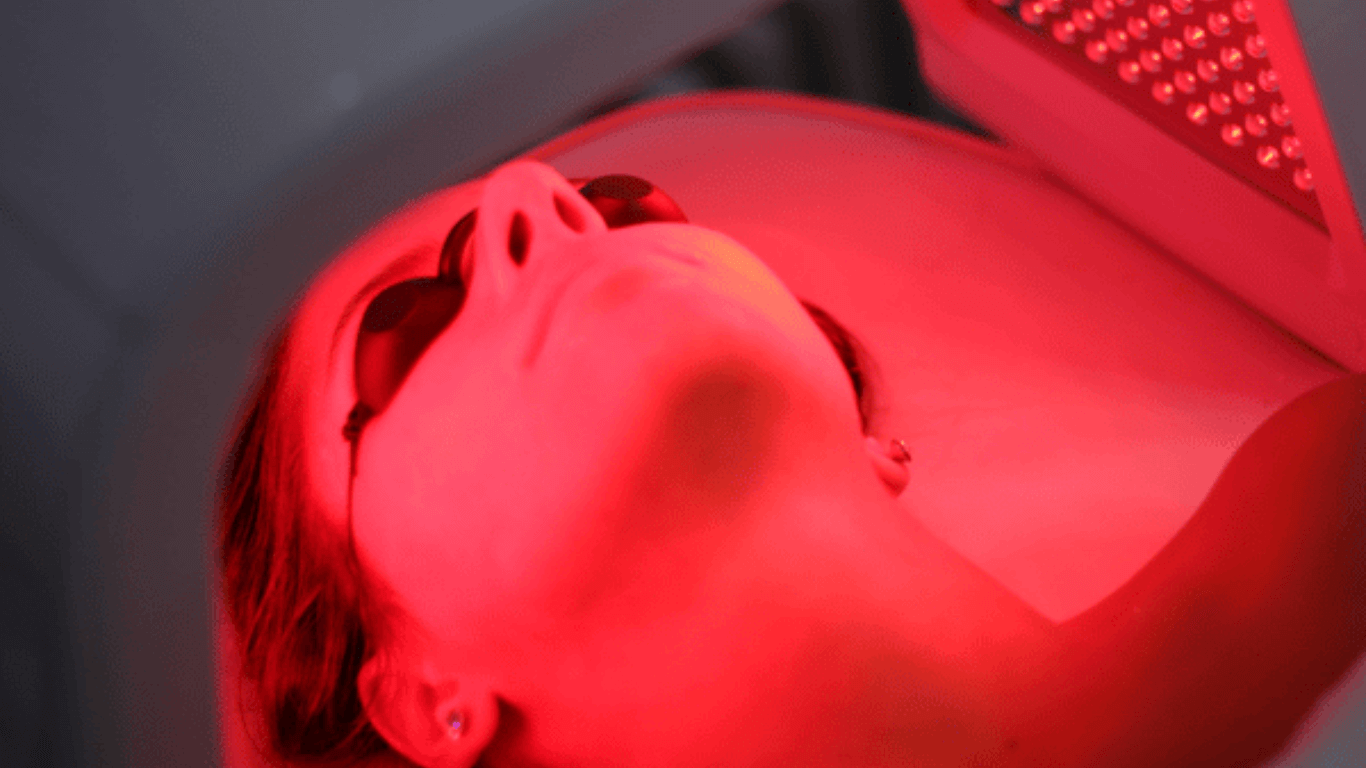
Red Light Therapy has moved well beyond medical clinics and biohacking circles and is now a staple treatment at many modern spas. Known for its non invasive approach and wide range of potential benefits, this therapy attracts people looking to support skin health, muscle recovery, and overall wellbeing without downtime.
If you are curious about what actually happens during a spa session and whether it is right for you, here is a clear, realistic breakdown.
What Is Red Light Therapy
Red Light Therapy uses specific wavelengths of red and near infrared light that penetrate the skin at different depths. Unlike UV light, it does not damage the skin. Instead, it is believed to stimulate cellular activity, particularly in the mitochondria, which are responsible for energy production in the cells.
At spas, the therapy is delivered through LED panels, beds, or targeted devices designed for comfort and relaxation rather than clinical treatment.
What a Red Light Therapy Session Is Like
A typical spa session is simple and low effort.
You are usually guided into a private room with a red light panel or full body bed. Depending on the setup, you may lie down, sit, or stand in front of the device. Most sessions last between 10 and 20 minutes.
You will not feel heat in the way you would with infrared saunas. The sensation is generally described as gently warming or neutral. Many people find the experience calming and meditative, similar to a quiet rest period.
Protective eyewear may be provided, and you are often encouraged to breathe deeply and relax while the light does its work.
There is no recovery time required. You can return to your day immediately after the session.
Common Reasons People Book This Treatment
While research is still evolving, people commonly seek Red Light Therapy at the spa for the following goals:
- Skin support, including improved appearance of tone and texture
- Muscle recovery after workouts or physically demanding routines
- Joint comfort and general mobility support
- Relaxation and stress reduction
- Support for overall wellness routines
Because it is non-invasive and gentle, it is often used as a complementary treatment alongside facials, massages, or bodywork.
Who Red Light Therapy Is Best For
Red Light Therapy tends to appeal to a wide range of spa clients, particularly:
- People interested in skin longevity and preventative care
- Active individuals looking to support recovery
- Those who prefer low effort, non invasive wellness treatments
- Clients curious about technology driven spa experiences
- People with busy schedules who want benefits without downtime
It is also popular among those who are new to advanced wellness therapies, since sessions are short and easy to integrate into a routine.
Who Should Be Cautious
Although generally considered safe, Red Light Therapy may not be suitable for everyone. People with light sensitivity, certain medical conditions, or who are taking photosensitizing medications should consult a healthcare professional before booking a session.
Spas typically include a short intake form to flag potential contraindications.
How Often Should You Go
Frequency varies depending on individual goals. Some people book sessions once or twice a week as part of an ongoing routine, while others use it occasionally for recovery or relaxation.
Consistency tends to matter more than intensity, especially for skin and wellness-related goals.
Final Thoughts – Get ready!
Keep in mind that while Red Light Therapy is generally gentle and non-invasive, individual experiences may vary. Some people report mild warmth, temporary skin sensitivity, or slight fatigue after a session, especially when trying it for the first time. If anything feels uncomfortable during your session, let the spa staff know so they can adjust the setup or exposure time. If you are curious about trying Red Light Therapy, consider exploring options on MySpaList, where you can find verified spas and wellness providers offering this treatment and choose a setting that fits your comfort level and wellness goals.