Stress isn’t always big. Sometimes it shows up as a clenched jaw sending emails, shallow breaths at a stoplight, shoulders that never fully relax. That’s why massage for stress relief is still popular – it provides people with a practical way to break up tension before it becomes a bigger physical or mental drain.
To many, it’s not a question of whether massage feels good. But is it enough of a help to be worth the money and time. The short answer is yes, frequently. A better answer is that it depends on what kind of stress you are carrying, what kind of massage you get, and how well the massage session is matched to your body and comfort level.
How stress relief massage works
Stress is not just in your head. It gets into the body fast. Muscles tense. Breathing is shallow. Sleep is lighter. Little aches and pains seem to be everywhere. Massage creates a clear change in that pattern.
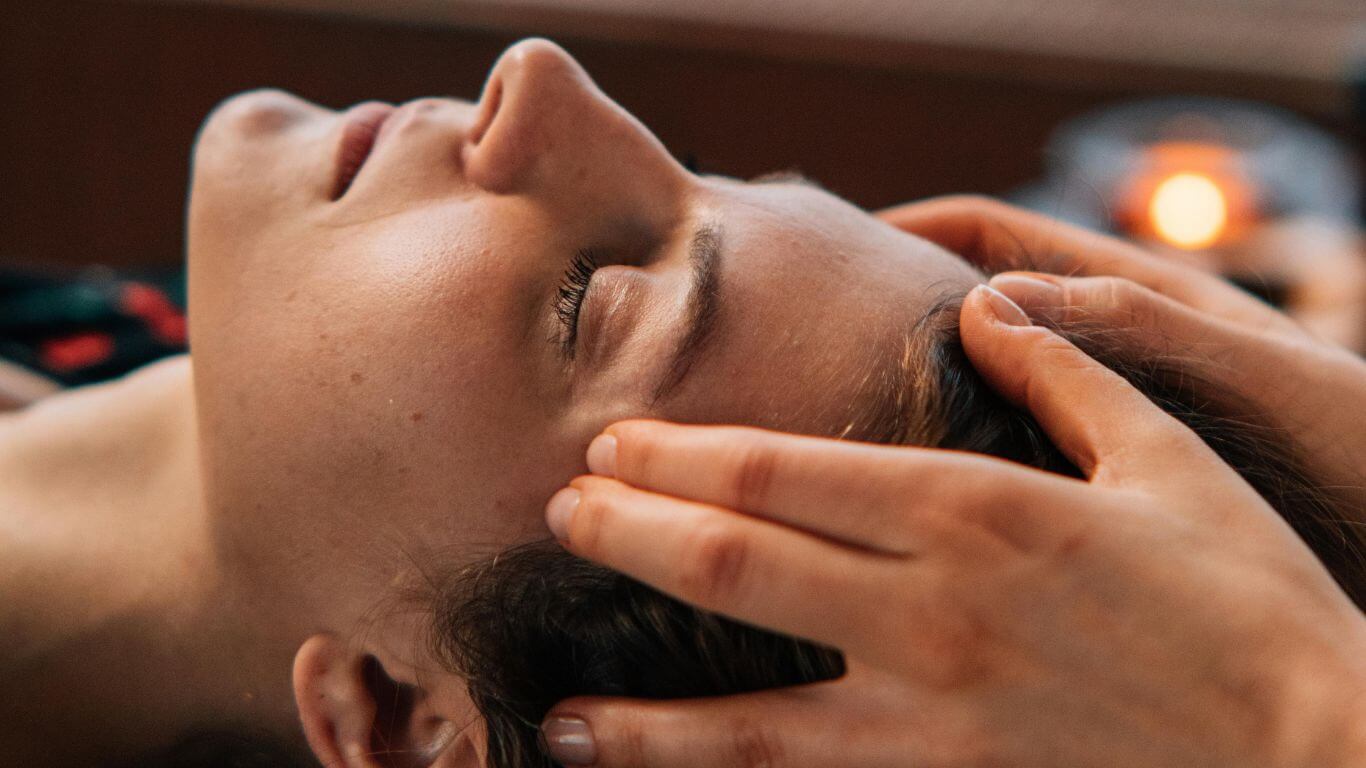
Physical contact, pressure, and pace of a session can push the nervous system out of a high-alert state. Many clients experience slower breathing, less muscle guarding and a general sense of calm during or after treatment. That doesn’t mean one session will erase chronic stress. Massage can, in effect, bring the volume down so your body can reset itself.
There’s also the value of stopping, too. Scheduled appointments create protected time from notifications, errands and decision fatigue. That alone can be a real benefit for busy professionals and caregivers.
Not every type of massage relieves stress the same way
If your goal is relaxation, the strongest pressure may not be the best choice. People often think they need a deep tissue massage when they are under a lot of stress because their body feels hard and knotted. Sometimes it is. Sometimes aggressive pressure just adds more intensity to an already over-stimulated system.
Swedish massage is often the go -to modality for stress relief. It typically uses long, flowing strokes with medium pressure, which is great for people who want to relax, improve circulation and leave feeling calmer, not worked over.
If stress manifests as stubborn neck, back or shoulder tension, deep tissue massage can still help. The downside is that it can feel more intense during the session. If your body is more guarded, a good therapist can integrate the deeper work into an overall calming treatment, rather than going hard the whole time.
If you’re someone who relaxes more easily with heat, you will love hot stone massage. The heat can help to reduce the feeling of tightness in your muscles, without solely depending on pressure. For pregnant clients, prenatal massage may be more appropriate for stress, sleep issues and body discomfort, as positioning and techniques are modified for that stage.
Reflexology, Thai massage and other special modalities can help too, but they feel very different. Thai massage is more active, more movement. Reflexology is working on specific points, usually of the feet. Whether those styles are calming is a matter of taste. If your main aim is to calm your nervous system, it pays to read service descriptions carefully rather than booking on popularity alone.
What to Expect in Your First Appointment
A good massage for relieving stress should not feel like a test. You don’t need the perfect terminology or a long wellness background to book the right service. You just have to explain what’s happening well enough.
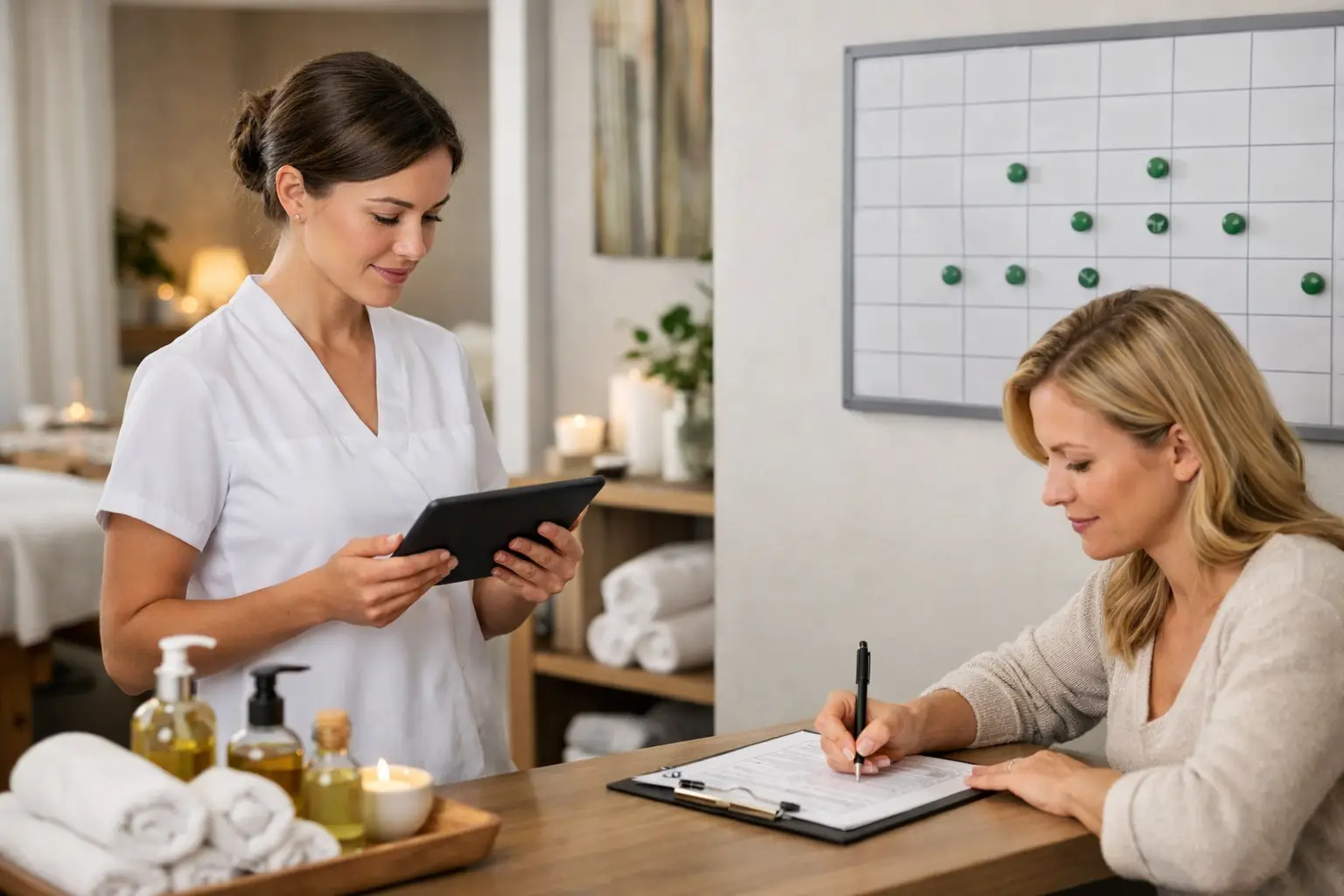
Most practitioners will ask about areas of tension, injuries, health problems and pressure preference before the session. It’s important. Stress-related tension tends to settle in the neck, shoulders, scalp, lower back, hands and hips, but you won’t need to give deep attention to every part. Tell the therapist if you want the session to be more calming than corrective.
Communication during the massage should be simple. Let us know if the pressure is too high. If you want more of one or the other, let me know. Usually it is small adjustments in real time that lead to a better session, not trying to tolerate a technique that does not suit you.
Many people feel lighter , more sleepy , or mentally clearer after . Some feel a burden lifted. Others simply find their shoulders are no longer up around their ears. If you work deeper you may experience some mild soreness but a session focused on stress should leave you more settled not drained.
When massage does most good
The best way to use massage for stress is to make it part of a realistic routine, not a rescue plan you dig up once a year. That doesn’t mean you need weekly appointments forever. That’s the lesson. Consistency tends to beat intensity.
If you find yourself stressed around deadlines, travel, caregiving or training, then booking ahead might make more sense than waiting until you are exhausted. Some people just need that massage every month. “Others get care twice a week during hard times. There isn’t a one-size-fits-all schedule because stress doesn’t hit everyone the same way.
It also helps to match the session to your real goal. If you just want some targeted neck and shoulder work in a busy week, a 30 minute appointment can be useful. If you are totally stressed and want time to settle down without feeling rushed, a 60-minute or 90-minute session is often better.
How to select the right therapist or spa
The modality matters, but so does the quality of the provider. If a therapist is technically proficient but does not care about your comfort level, the experience may not be calming. On the other hand, a therapist who has a good intake process, communicates clearly, and has a menu of services that meet your needs can make the appointment feel easy from the start.
Look for clues that allow you to quickly narrow down the field. The first filter is service type – Swedish, deep tissue, prenatal, hot stone, reflexology or something more specialized. And location matters too, as a long, stressful drive can take away some of the benefit. Availability, preference of therapist gender and the setting itself also matter, especially for first-timers who want to feel at ease.
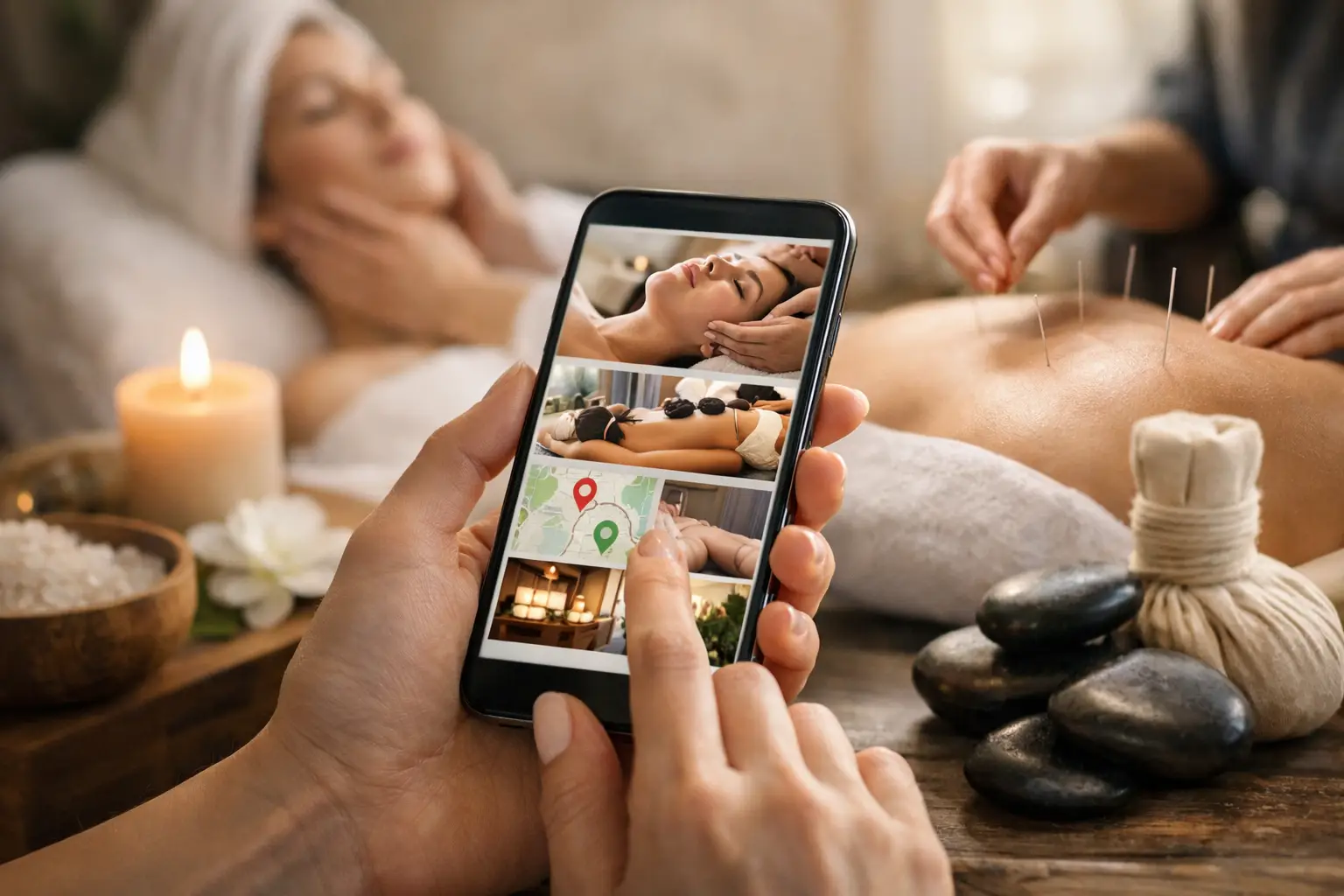
A focused marketplace can save time here. Search by modality, location and preferences all in one place instead of opening 10 tabs and trying to compare scattered listings. MySpaList is built for that kind of local discovery, especially when you need a nearby massage therapist and don’t want to wade through unrelated results.
When a Massage is Not the Next Step: How to Know
Massage is beneficial, but it is not a cure all. If you’re experiencing stress that shows up as panic, bad insomnia, burnout, depression or new or scary physical symptoms, massage can help support your overall care, but shouldn’t be your only plan.
And it’s OK to be honest about touch. Some people get so overstimulated that a full body session seems like too much at first. Then maybe a lighter pressure or a different treatment or a shorter appointment would be a better place to start. The goal is not to require relaxation. What you want to do is select something that your body can actually absorb.
Medical conditions are important too. If you are pregnant, have recently been injured, have a circulatory condition or a chronic health condition, book with a therapist trained for your specific situation and communicate clearly prior to the appointment.
How to get the most out of a massage for stress relief
The session is important but so are the edges around it. If you can, don’t book a massage right in the middle of stressful errands. Give yourself even 15 to 20 minutes after that before jumping back into calls, traffic, or a workout. This will prolong the treatment.
It also helps to be able to recognize patterns. If you carry stress in your jaw and upper back all the time, say so early. If you get ready, firm pressure. Ask for moderate work. If you find quiet relaxing, say that you prefer a low-conversation session. Little preferences can make more of a difference than people realize.
Usually, the best massage for stress relief isn’t the most expensive one or the trendiest one. It’s the one that fits your body, your schedule and your actual stress pattern. Finding the right provider close to home, easily accessible, makes it so much easier to make massage a practical way to take care of yourself, rather than an occasional splurge.
If you’ve been stressed for weeks, start with something simple. Pick the modality that matches your goal, book someone local and see how you feel afterwards. Real relief doesn’t have to be complicated.