Booking your first session can be simple enough until you start to wonder what really goes on when you walk in. This guide to first massage appointment basics is written for just that moment – when you’re ready to feel prepared, select the right service, and avoid surprises.
Why your first massage appointment can be confusing
Massage is common but the process is not always obvious to first-time clients. Service names sound similar, intake forms ask health questions you may not expect, and every provider has a slightly different setup. Some work in a spa environment, with robes and lounges. Others operate private treatment studios that specialize in therapeutic bodywork.
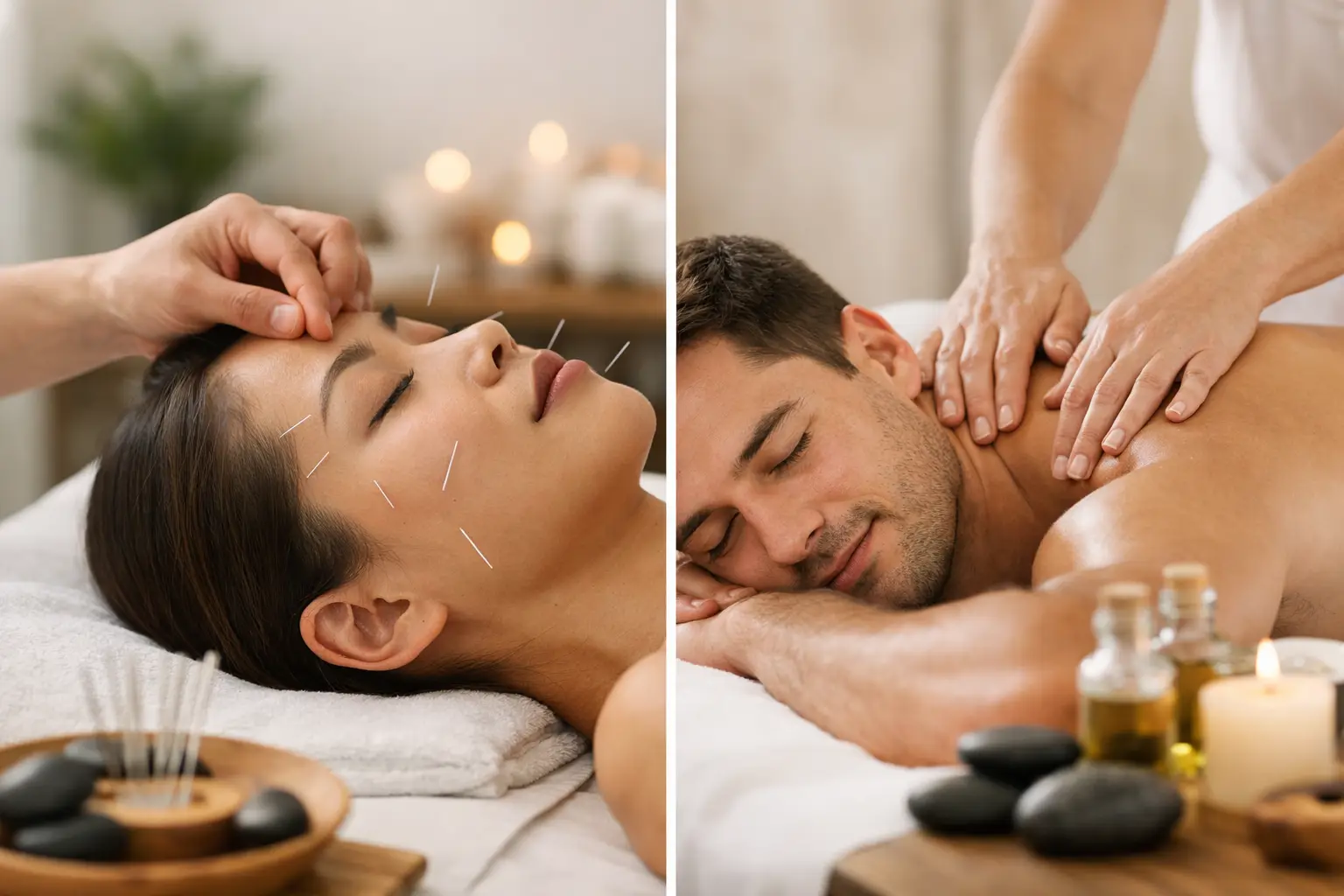
That difference makes a difference, because your first appointment depends on what type of service you book. Relaxation massage is mostly for stress relief and general muscle tension. Deep tissue massage, sports massage, prenatal massage, reflexology and lymphatic drainage all have different goals, pressure and flow of the session. If you begin by matching the massage style to your reason for booking, the rest becomes much easier.
Begin with the proper service, not just the closest opening
A first time client usually books only on convenience and ends up with a service that doesn’t fit the issue they want help with. If your main goal is to unwind, you can’t go wrong with a Swedish or relaxation massage to get you started. If you have tight shoulders, post-workout soreness or chronic muscle tension, a therapeutic or deep tissue session might be a better fit.
There’s a little nuance here. A deeper tissue does not mean that it is better and more pressure does not mean that it will bring more relief. If you are pressure sensitive, new to bodywork or already stressed, an aggressive session can leave you feeling worse for wear. For many first appointments, a little pressure with clear communication is a smarter choice.
It also helps to consider practical details before booking. Make sure to check the provider’s location, session length, specialties, and if they offer the exact modality you are looking for. If the gender of the therapist matters to you, or you need a provider who has experience working with pregnancy or injuries, filter for that up front rather than trying to figure it out later.
What to do before booking
The easiest way to avoid a bad first experience is to spend two more minutes on the service page. Look over the treatment as described by the provider. A listing that clearly lists modalities, session times and focus areas often gives you a better sense of what to expect.
Before you say yes, consider three things: your objective, your comfort level, and your schedule. If you only have 30 minutes, you might be able to get a focused neck and shoulder treatment but probably not a full-body relaxation massage. If you have concerns about modesty or pressure, choose a provider and service that sounds simple and beginner-friendly.
If you have a health condition, recent injury, recent surgery or are pregnant, ensure the therapist provides appropriate treatment. massage can help in many cases, but it is not a one-size-fits-all solution. Some modalities are not advised for some conditions and a good provider will want to know that before the session begins.
First massage appointment preparation guide
Preparation doesn’t have to be hard. Get there clean and bring easy-to-change clothing, and try not to rush in stressed and overheated from your commute. If possible, try to arrive 10-15 minutes early, especially if you have to complete intake paperwork.
Eat a little before. It can be hard to relax if you arrive very hungry but a heavy meal just before the session can be uncomfortable lying face down. Hydration is important also, though you don’t want to overdo it. Just come hydrated like normal.
If you wear makeup, jewelry or a watch, please note that you may be asked to remove accessories prior to the service. For those with long hair, a loose tie helps. If you’re coming from work, it might be a good idea to bring a hairbrush or a clean shirt for afterwards.
What do you see when you get there
Most first appointments start with a short check-in. You may fill out forms about your medical history, pain points, allergies, medications and goals for the session. That’s normal—not a red flag. Therapists need this information in order to work safely and tailor treatment.
Next is a brief conversation. Here’s where you get particular. “It’s helpful to say, ‘I carry stress in my shoulders. Better still: “My lower back is tight for two weeks and I don’t want deep pressure.” If you do NOT want any areas to be touched, please state clearly. That can include the feet, scalp, glutes, abdomen or whatever else.
The therapist will explain how to get on the table, what clothing to remove if needed, and how the draping will be done. During a regular full body massage, you undress to the level of your comfort, get under the sheet or blanket and only the area that is being worked on is uncovered. Depending on the modality, it can often be done with some clothes on, if you prefer.
What to Wear to Your First Massage Therapy Appointment
This is one of the biggest questions people have and the answer is easier than it seems. Wear clothes that are comfortable and easy to get in and out of. Think gym clothes, soft basics or regular daywear with no layered complications.
What do I wear to a session? It depends on the service. Many clients disrobe to their comfort level for a standard table massage with oil or lotion. For example, in Thai massage or some assisted-stretch sessions, you usually stay fully dressed in loose, movable clothing. Reflexology can be done with only access to your feet and lower legs. If you don’t know, ask before your appointment.
There’s no prize for being low maintenance around here. Wear underwear if you feel better in it. Ask if you want a session that’s only on back, neck, shoulders and you want to stay mostly clothed. These questions are typical of a professional therapist.
What you should and shouldn’t do during the massage
Most of your job during the massage is relaxing and talking when needed. You don’t have to make conversation. Some clients are chatty, some are not, and both are normal. The best way is to do what you are most comfortable with.
Speak up if the pressure is too much, too light or something feels off. “Don’t wait until the end and hope it will get better. The same goes for room temperature, face cradle comfort, music volume or if you need some extra support under your knees or ankles. Small changes can make the whole experience.
That’s also possible if emotions come up. Some people can feel surprisingly tired, emotional or quiet after bodywork, especially if they have been carrying stress for a long time. Not for everybody, but not unheard of.
After your first massage session
When the session is finished the therapist will step out of the room so you can get dressed. Take your time. If you are in a very relaxed state, you might feel light headed when you get up too quickly.
Afterwards you may be calm, sleepy, looser, or slightly sore. This is a normal range and often depends on the modality and pressure used. People normally feel settled and lighter after a gentle relaxation massage. After a deeper therapeutic session, some next day soreness can occur like light exercise.
This is also the time to decide if you got what you needed from the service. Did the pressure feel right ? Did the therapist listen ? Was the goal of the treatment clear ? Your first appointment doesn’t have to be perfect to be useful, but it should feel professional, respectful and what you booked.
How to make better choices next time
First session provides interesting data. Maybe you found out you want a lighter pressure, a different modality, or a provider who specializes in neck pain, prenatal care, or sports recovery. Maybe you’re trying to fit massage into a work week and found that location is more important than spa extras.
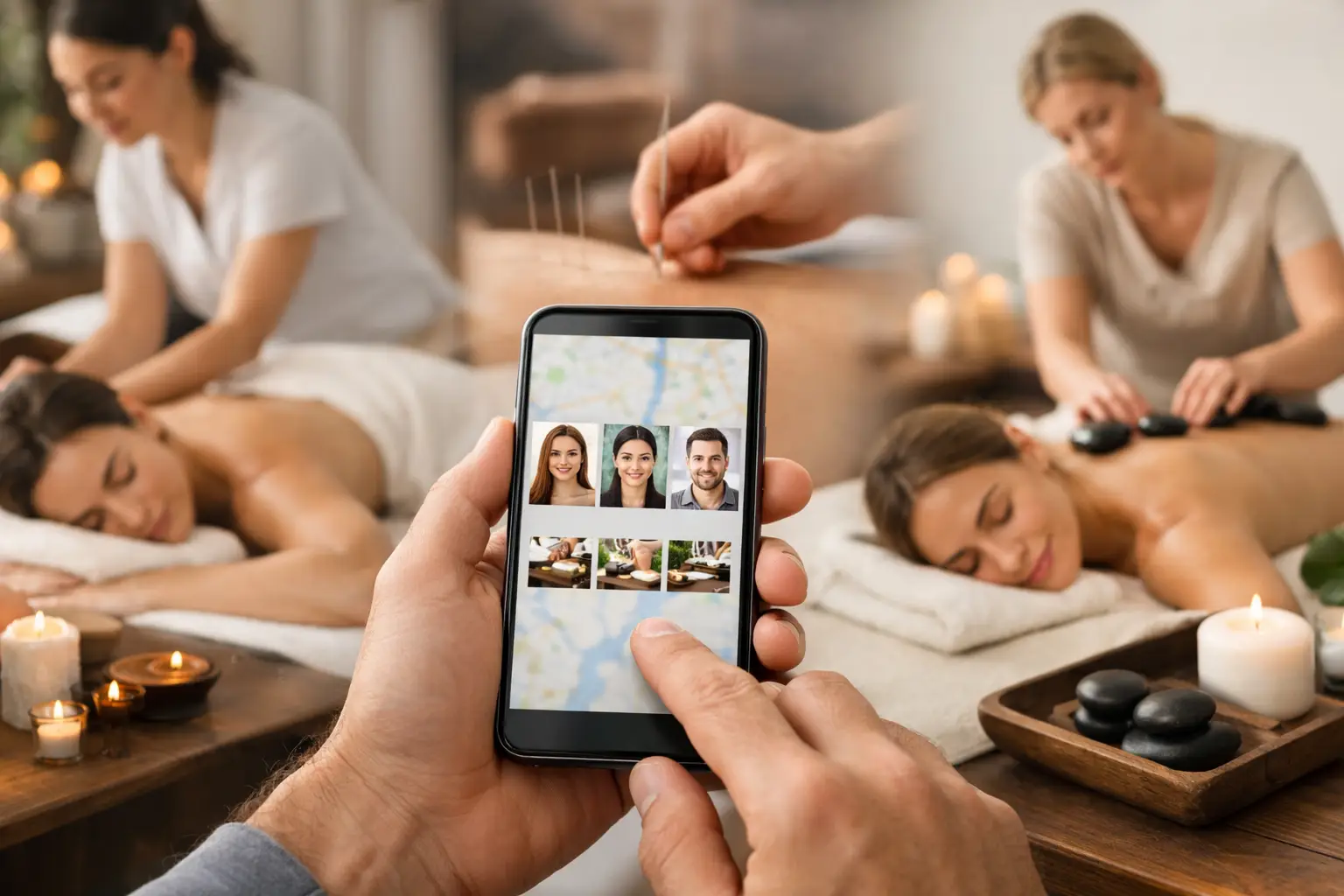
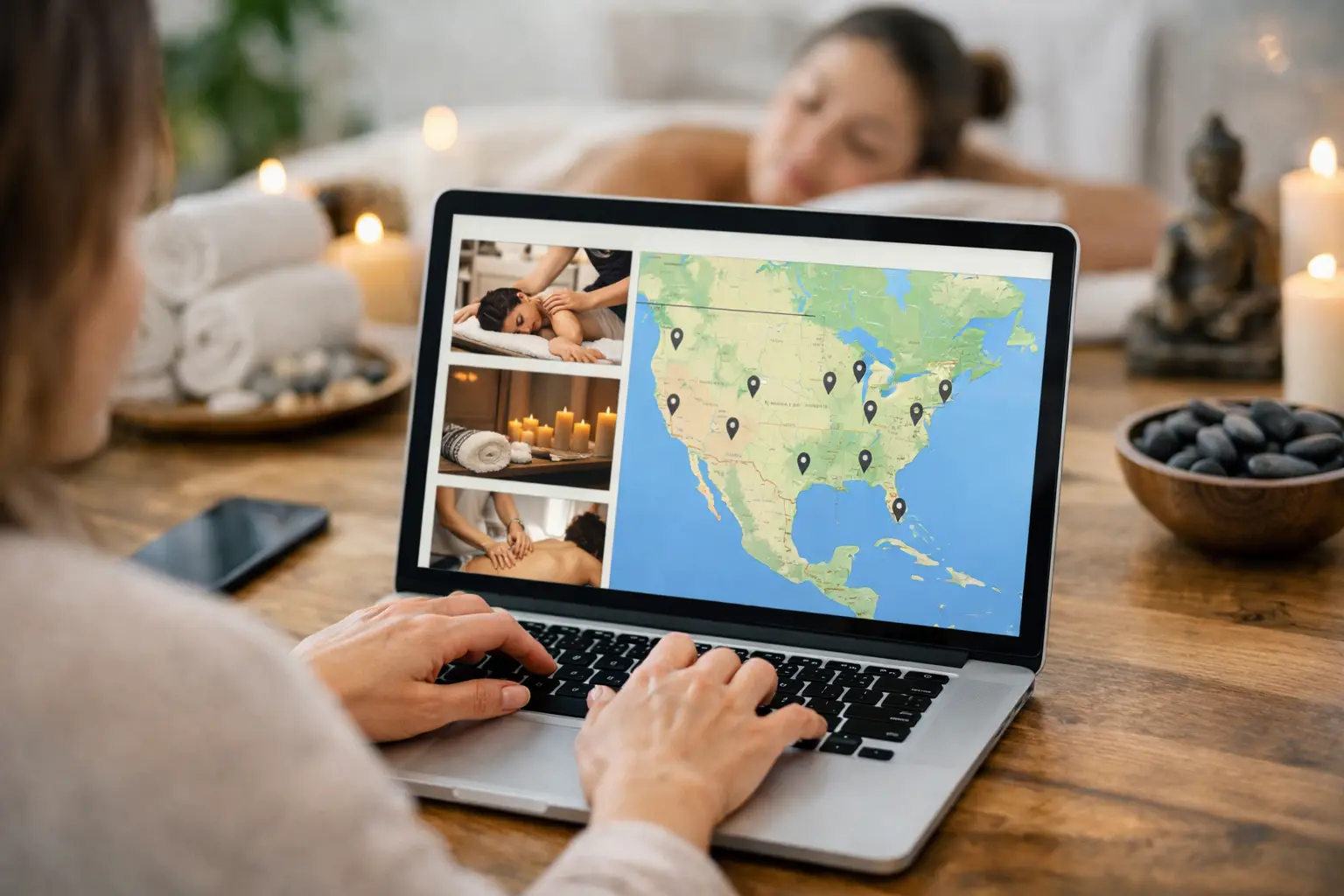
That’s where a targeted wellness directory is useful. Instead of sifting through random local results you can more easily compare therapists and spas by service type, location and specialties. Use what you learned to narrow the field faster if you are booking again.
A good first massage appointment should not be a mystery. It should feel organized, comfortable, and easy to repeat when you learn what works for you. The clearer you book, communicate and assess the fit, the easier it is to find a local provider you will actually want to return to.