If you have ever looked at a spa menu and paused at terms like myofascial release, trigger point, Shiatsu, or lymphatic drainage, you are not alone. A solid massage therapy modalities list helps you cut through vague descriptions and figure out what actually fits your body, your goals, and your schedule.
Most people are not searching for massage in the abstract. They want help with neck tension after long workdays, soreness after training, swelling during pregnancy, stress that shows up in the shoulders, or a recovery plan after an injury. That is why the modality matters. Two therapists can both offer massage, but the experience and results may be very different depending on the technique.
Why a massage therapy modalities list actually matters
Choosing a massage based on the name alone can lead to a mismatch. If you book Swedish massage when you really want focused pain relief, you may leave relaxed but still tight. If you book deep tissue when your body is already flared up and sensitive, you may feel worse instead of better for a day or two.
A useful massage therapy modalities list is less about memorizing terminology and more about matching the service to your outcome. Some modalities are built for relaxation. Others are designed for mobility, recovery, circulation, prenatal comfort, or highly targeted muscular work. Many therapists blend approaches, but the listed modality still gives you a strong clue about what the session will emphasize.
Massage therapy modalities list: the most common options
Swedish massage
Swedish massage is often the best starting point for first-time clients. It typically uses long gliding strokes, kneading, and lighter to moderate pressure to reduce stress and improve general circulation. If your main goal is to relax, reset, and ease everyday tension, this is usually a safe pick.
That said, Swedish is not just a “basic” massage. A skilled therapist can still address mild muscle tightness within a relaxing session. It is simply less likely to focus on intense, pinpoint work.
Deep tissue massage
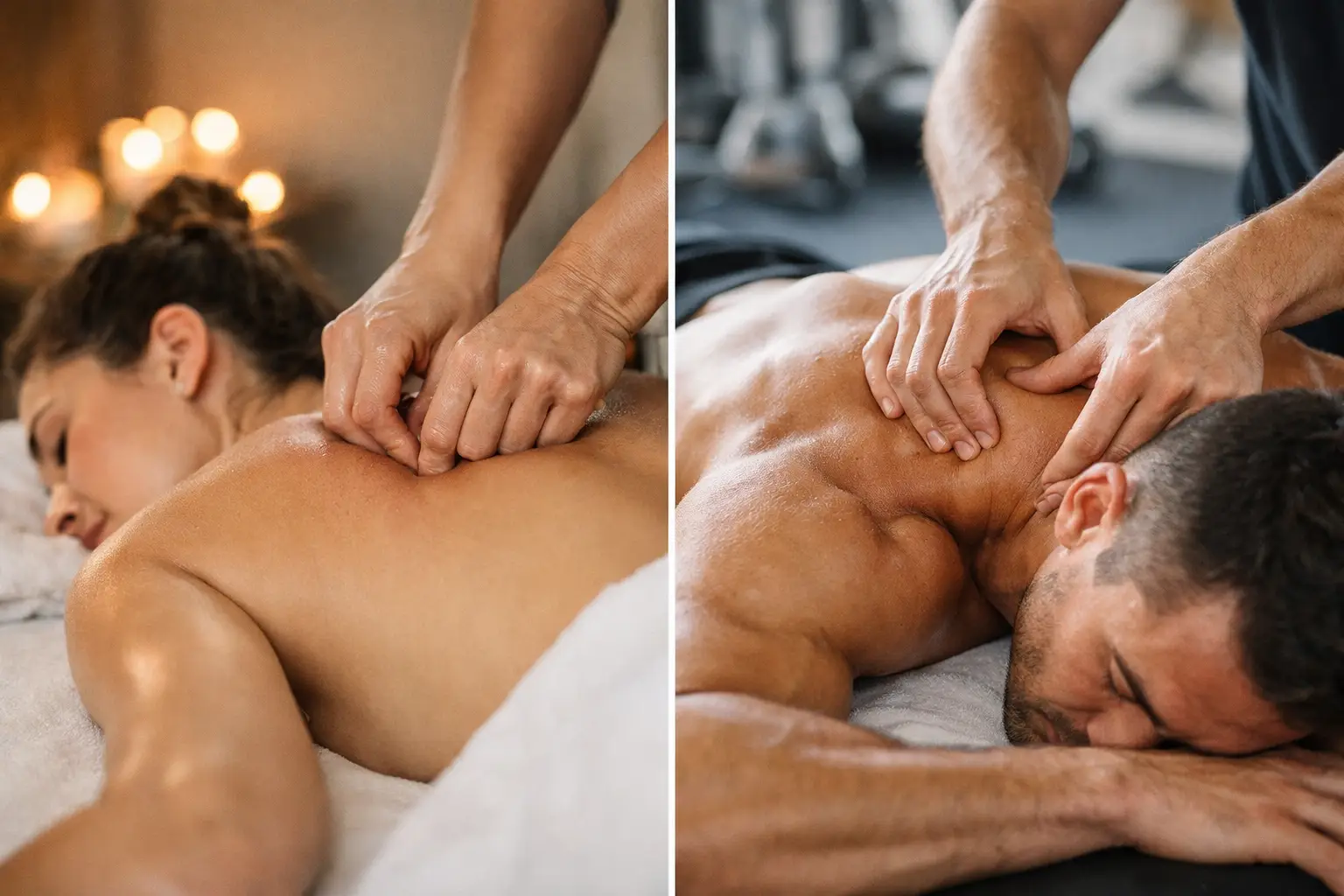
Deep tissue massage uses slower strokes and deeper pressure to work through stubborn muscle tension and connective tissue restrictions. People often book it for chronic tightness in the neck, shoulders, back, or hips.
It is useful, but it is not automatically better. Some clients assume deeper pressure means better results, and that is not always true. If your nervous system is already stressed or your muscles are highly inflamed, very deep work can be too much. The right pressure depends on your tolerance, goals, and current condition.
Sports massage
Sports massage is geared toward movement, performance, and recovery. Athletes use it, but you do not need to be a marathon runner to benefit from it. If you lift weights, play weekend pickleball, run regularly, or have repetitive-use soreness, sports massage may be a strong fit.
Sessions can vary quite a bit. Some are energizing and mobility-focused before activity, while others are more restorative after exercise. If you are booking this service, it helps to tell the therapist whether your goal is prep, recovery, or maintenance.
Prenatal massage
Prenatal massage is adapted for the needs of pregnancy. It often focuses on lower back pressure, hip discomfort, leg fatigue, and overall relaxation while using positioning and support that are appropriate for the stage of pregnancy.
This is one modality where proper training matters. Not every massage therapist offers prenatal work, and not every spa menu explains the difference clearly. If you are pregnant, it is worth confirming that the therapist specifically provides prenatal massage rather than standard massage with a pillow adjustment.
Lymphatic drainage massage
Lymphatic drainage massage uses gentle, rhythmic techniques meant to support lymph flow and reduce fluid retention. Clients often seek it for post-op support, swelling, puffiness, or a general feeling of heaviness.
This modality is much lighter than many people expect. If you want a session that feels like deep muscle work, this will likely not satisfy that goal. But if swelling, circulation support, or post-procedure care is the focus, lighter pressure is often exactly the point.
Myofascial release
Myofascial release targets fascia, the connective tissue that surrounds and supports muscles and structures throughout the body. Sessions often involve sustained pressure and stretching rather than constant oil-based strokes.
This approach can be especially helpful when your body feels restricted, stuck, or uneven in movement. Clients dealing with posture-related tension or long-term patterns often respond well to it. The trade-off is that it may feel slower and more technical than a purely relaxing massage.
Trigger point therapy
Trigger point therapy focuses on specific tight spots that can refer pain into other areas. A knot in the shoulder, for example, may contribute to tension into the neck or arm.
This method is targeted and can be intense in short bursts. It is often a good choice if you can point to a very specific pain pattern. If your goal is full-body relaxation, though, a heavily trigger point-based session may feel too clinical.
Hot stone massage
Hot stone massage combines massage techniques with heated stones placed on or moved across the body. The heat can help muscles relax and make moderate pressure feel more effective.
For clients who hold stress physically but do not want aggressive work, hot stone massage can be a good middle ground. The main limitation is that it is usually less focused on detailed corrective work than modalities built for injury recovery or mobility issues.
Thai massage
Thai massage is more active than what many people expect from a standard table massage. It often includes assisted stretching, compression, and movement-based techniques, sometimes performed on a mat with the client fully or partially clothed depending on the setting.
If you like stretching and want to feel more open through the hips, back, and shoulders, Thai massage can be a strong option. If you prefer to lie still and zone out, it may not be your favorite experience.
Shiatsu
Shiatsu is a Japanese bodywork style that uses pressure along specific points and pathways in the body. Sessions may be calming, structured, and less oil-based than Western table massage.
Clients who want a pressure-based session without deep tissue intensity sometimes gravitate to Shiatsu. As with Thai massage, the exact style can vary by practitioner, so reading the service description matters.
Reflexology
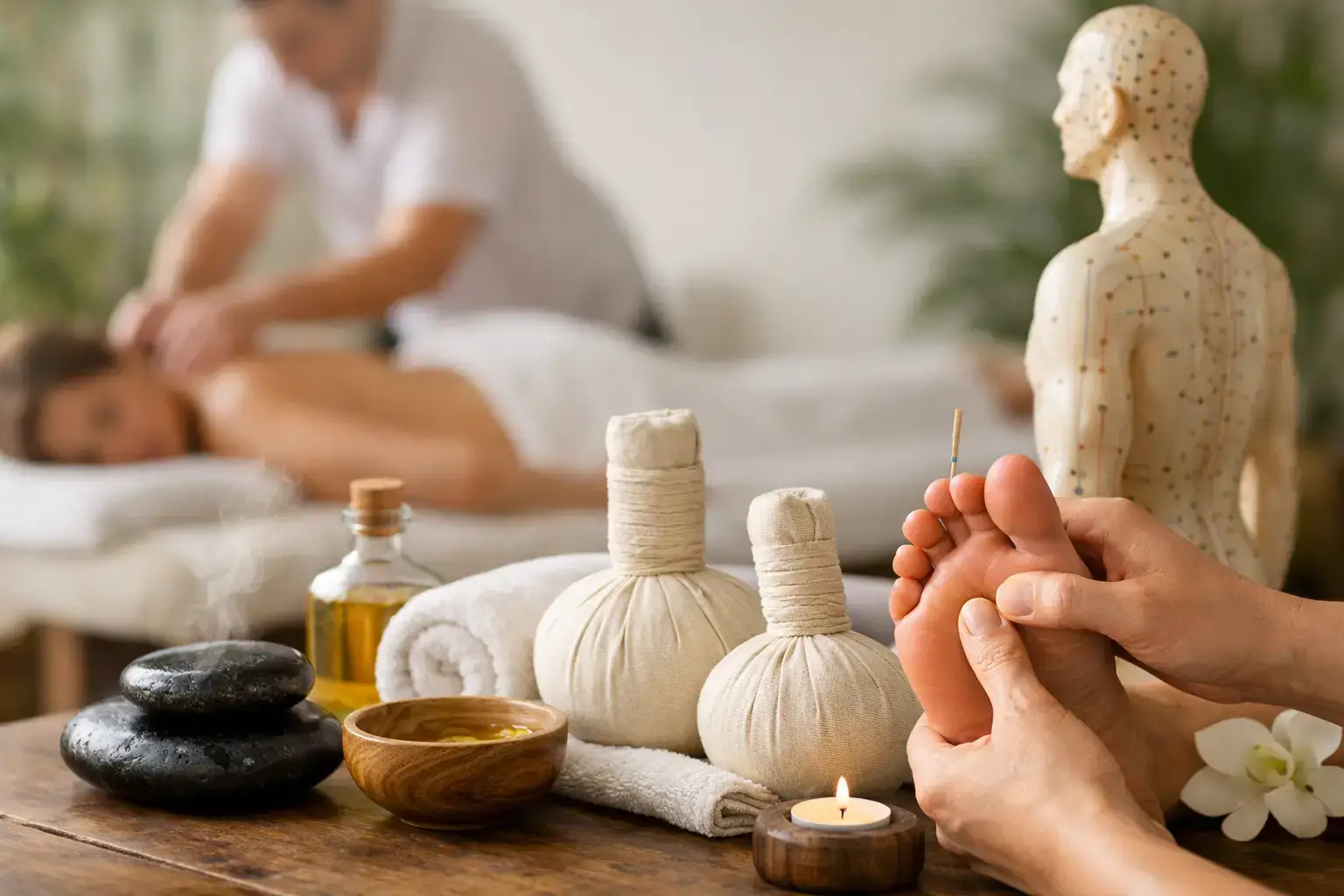
Reflexology focuses primarily on the feet, and sometimes the hands or ears, based on the idea that specific points correspond to different parts of the body. Some clients book it for stress relief, while others simply enjoy focused foot work.
It is a good option if you want a shorter, lower-commitment service or you do not want a full-body session. But if your main issue is upper back pain, reflexology may be more complementary than primary.
Aromatherapy massage
Aromatherapy massage adds essential oils to a generally relaxing massage session. The oils are selected to support mood, calm, or mental reset, depending on the service style.
This is typically more about relaxation than structural bodywork. It can be ideal when stress is the main problem, but less useful if you are trying to address a persistent mobility restriction.
How to choose the right modality for your goal
The fastest way to narrow your options is to start with the result you want, not the technique name. If you want to relax and unplug, Swedish, hot stone, or aromatherapy massage may fit. If you want help with chronic knots or post-workout soreness, deep tissue, sports massage, trigger point therapy, or myofascial release may make more sense. If you are pregnant, prenatal massage should be the first filter, not an afterthought.
It also helps to think about your pressure preference honestly. Many people ask for deep work when what they really want is effective work. Those are not always the same thing. The best session is the one your body can respond to well, not the one that sounds the toughest.
What to check before booking locally
Once you know which options from the massage therapy modalities list sound right, the next step is comparing providers. Look at whether the therapist clearly lists the modality, whether the session length matches your needs, and whether the provider appears to specialize in that service or simply includes it in a long menu.
This is especially important for niche services like prenatal massage, lymphatic drainage, or Thai massage. Those treatments often require more than casual familiarity. A location-based marketplace like MySpaList can make that process faster because you can search by service type and compare nearby providers without bouncing between unrelated directories.
You should also check practical details that affect the actual experience, such as therapist gender preferences, spa versus independent studio setting, and whether the provider offers the exact modality or a blended session. A blended session is not necessarily a downside. In fact, many clients get the best results from therapists who combine techniques thoughtfully. The key is knowing what the session is likely to emphasize.
A good massage is not about choosing the most advanced-sounding option on the menu. It is about finding the modality that matches what your body needs right now, then finding a local therapist who offers it with real skill. Start there, and the right booking decision gets much easier.