A hard workout can leave you feeling strong in the moment and stiff a few hours later. If you are searching for the best recovery massage for athletes, the right answer usually depends on what your body is dealing with after training – heavy muscle soreness, tight fascia, limited range of motion, or simple fatigue.
Athletes often use “recovery massage” as a catch-all term, but different massage styles do different jobs. A sports massage can help if you are training regularly and want targeted work around overused muscles. A deep tissue session may make sense for stubborn tension, but it is not always the best pick right after an intense event. Lymphatic drainage can support fluid movement and reduce that puffy, heavy feeling some people get after travel or competition. The best choice comes down to timing, intensity, and your recovery goal.
What makes the best recovery massage for athletes?
The best recovery massage for athletes is not necessarily the deepest or most painful option. It is the massage that matches your training phase, your current symptoms, and how soon you need to perform again.
If you are in the middle of a demanding training block, recovery work usually needs to calm the nervous system and improve circulation without creating more soreness. If you are between events or in an off-season phase, more focused bodywork may help address chronic tightness or movement restrictions. That is why two athletes with the same sore hamstrings may need completely different sessions.
A good recovery massage should leave you feeling looser, more mobile, and less guarded. It should not leave you limping out the door before race day.
The most useful massage types for athletic recovery
Sports massage
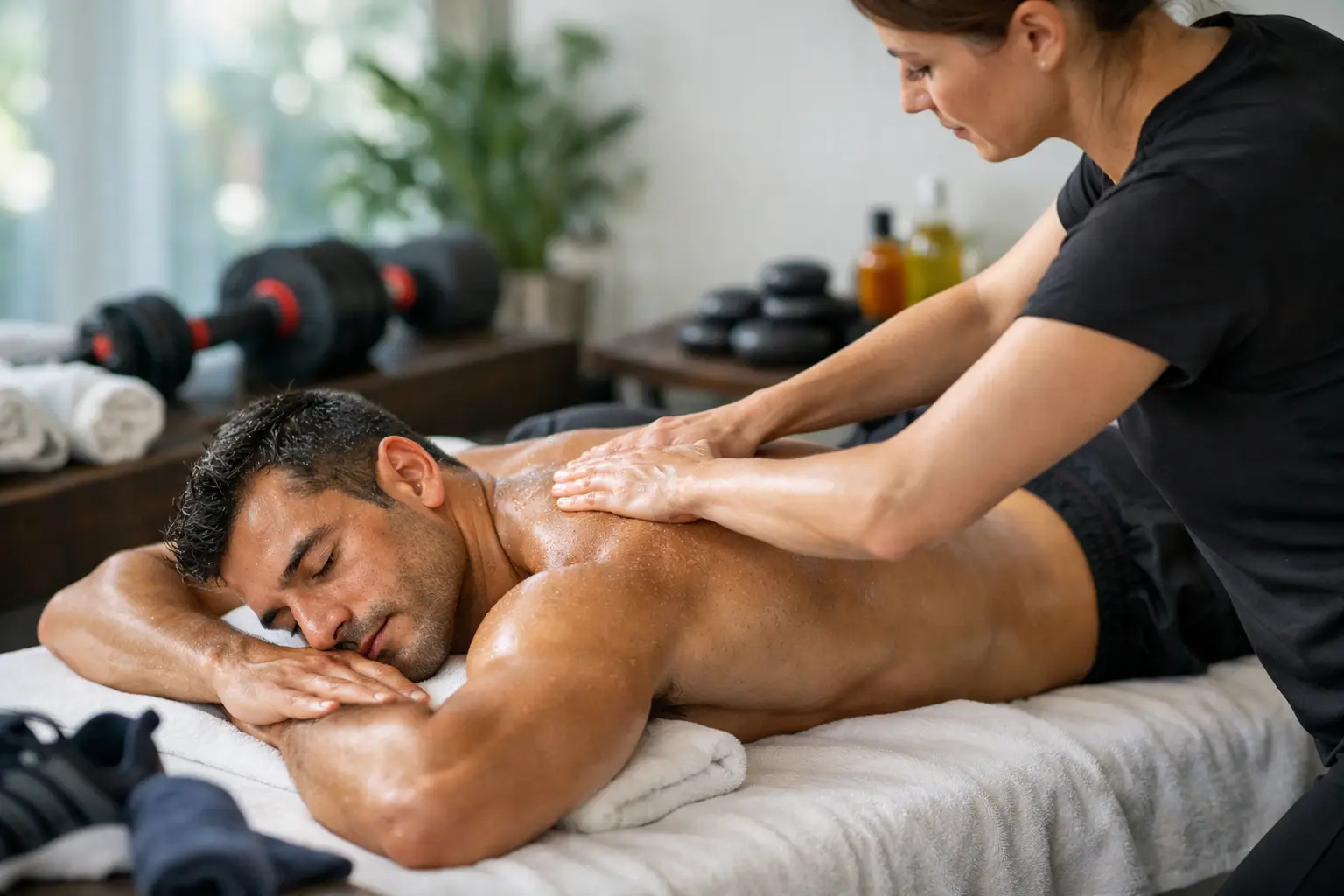
For many active people, sports massage is the most practical starting point. It is designed around movement patterns, training load, and muscle groups that take repeated stress. A therapist may focus on calves for runners, shoulders and lats for swimmers, or hips and glutes for cyclists and lifters.
This style can be adjusted based on timing. Before an event, it may be lighter and more stimulating. After an event or hard week of training, it is often more recovery-focused, with techniques meant to reduce tightness and restore motion. If you want a massage that is athlete-specific without automatically going very deep, sports massage is often the best fit.
Deep tissue massage
Deep tissue massage is popular for a reason. It can help with long-standing tension, dense muscle tightness, and areas that feel stuck. But deep tissue is not automatically the best recovery massage for athletes in every situation.
If your legs are already inflamed after a race, going very deep the next day can sometimes add irritation rather than relief. On the other hand, if you have an old knot in your hip flexor that keeps affecting your stride, deeper work may help when scheduled away from key training days. This is the trade-off with deep tissue – it can be effective, but timing matters.
Myofascial release
When your body feels restricted rather than just sore, myofascial release can be a smart option. This approach focuses on fascia and connective tissue, often with slower, sustained pressure. Athletes who describe themselves as “tight everywhere” or feel like their movement is shortened may respond well to this kind of work.
It is especially useful when range of motion is part of the problem. You might not walk out feeling dramatically worked over, but you may notice easier movement, better posture, and less pulling during activity.
Lymphatic drainage massage
Lymphatic drainage is gentler than most athletes expect. It is not meant to crush knots or dig into muscle tissue. Instead, it uses light, rhythmic techniques to encourage fluid movement.
This can be helpful after travel, after strenuous events, or during periods when your body feels swollen, heavy, or sluggish. It is not the top choice for every athlete, but for some situations it can be one of the smartest recovery tools available. If your issue is more about fluid retention than muscle adhesion, a gentler session may work better than aggressive pressure.
Swedish massage
Swedish massage is often overlooked by serious athletes because it sounds too basic. In reality, it can be exactly what an overtrained body needs. If your stress is high, sleep is off, and your whole system feels keyed up, a lighter full-body massage may help more than targeted pain-chasing.
Recovery is not just about muscle tissue. It is also about downshifting your nervous system so your body can actually repair. When fatigue is more global than local, Swedish massage can be a solid recovery choice.
How to choose the right massage based on your goal
If your main issue is delayed-onset muscle soreness after a hard training session, a lighter sports massage or Swedish session usually makes more sense than an aggressive deep tissue appointment. The goal is to support recovery, not create a second layer of soreness.
If you have a recurring trouble spot, such as tight calves, restricted hips, or shoulder tension that keeps affecting your workouts, deeper sports massage or myofascial work may be more useful. You are not just trying to feel good for an hour. You are trying to change a pattern.
If you are preparing for a race, tournament, or event in the next 24 to 72 hours, ask for recovery-oriented work and be clear that you do not want anything that leaves you tender. If you just finished a major event and feel swollen or depleted, gentler work may still be the better move. Athletes often assume they need maximum intensity when what they really need is the right intensity.
Timing matters more than most people think
A massage that feels great on a rest day may feel terrible the day before competition. That is why timing matters as much as technique.
Within a day or two of an event, lighter recovery work is usually the safer option. During a normal training week, moderate pressure can be useful if you have time to absorb it. For chronic problem areas, deeper work is often best scheduled when you do not have a key workout immediately after.
It also helps to think in terms of frequency instead of one-off fixes. One great massage can help, but athletes with regular training loads often do better with consistent sessions rather than waiting until everything flares up.
What to tell your massage therapist
The quality of your recovery session depends partly on how clearly you communicate. Tell your therapist what sport you do, what areas feel overloaded, when you last trained, and when you need to perform again. Mention any injuries, recent races, travel, swelling, numbness, or pain that feels sharp or unusual.
This is especially important if you book sports massage or deep tissue. Two people can ask for the same service and need very different approaches. A therapist who knows your training schedule can usually make better decisions about pressure and technique.
How to find the right local provider
Not every massage therapist works with athletes regularly, and not every athlete needs a sports-only practice. What matters is finding someone whose service menu and approach match your goal.
If you want targeted work for training recovery, look for providers who specifically offer sports massage, deep tissue massage, or myofascial release. If you want a gentler reset, Swedish massage or lymphatic drainage may be the better category to browse. It also helps to check whether a provider serves your area, has availability that fits your schedule, and offers the modality you want instead of making you call around.
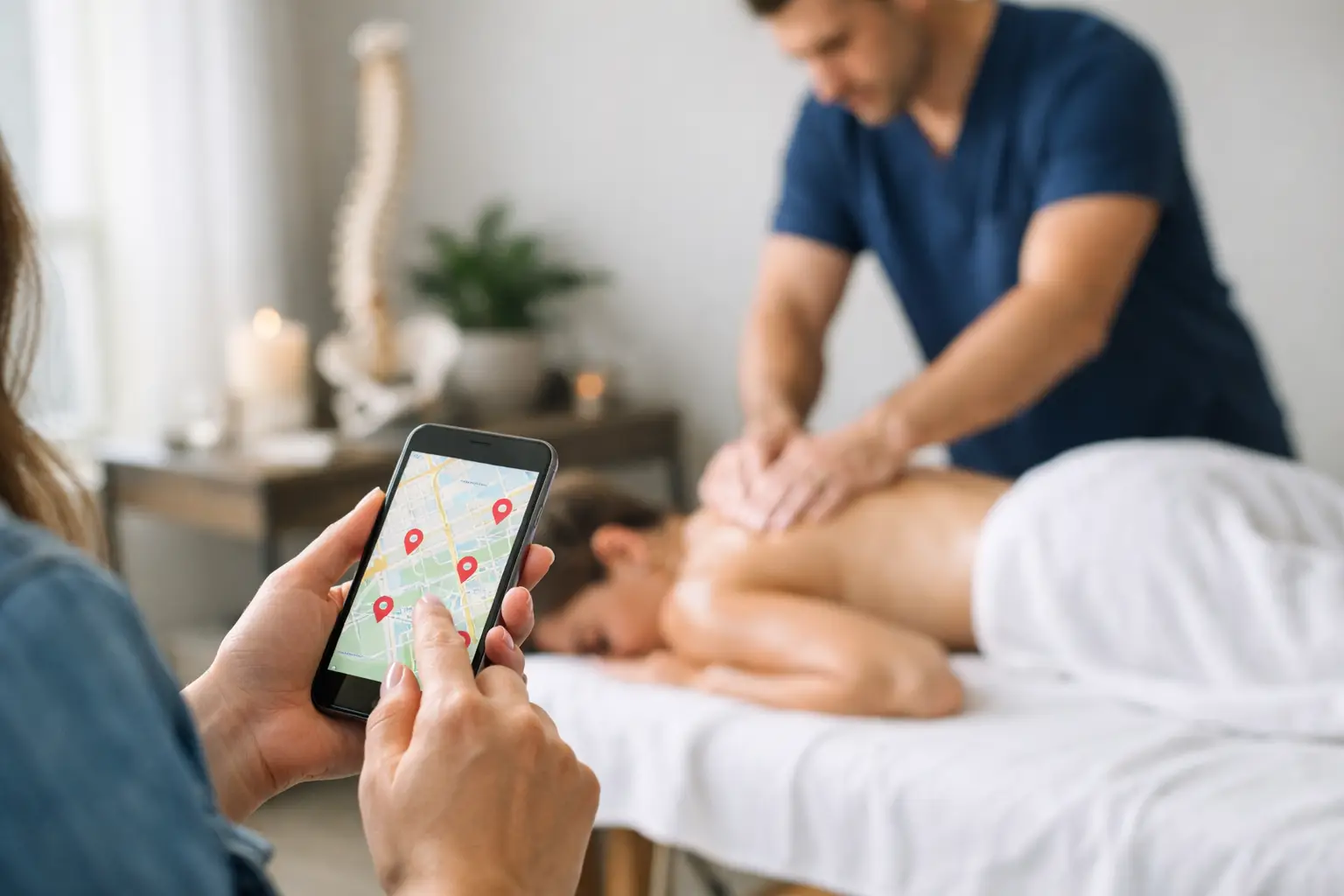
A directory like MySpaList can make that process faster by helping you compare massage therapists and spas by service type and location in one place. That is especially useful when you already know what kind of recovery work you want and just need to find someone nearby.
When massage is not the right next step
Massage can be a strong recovery tool, but it is not the answer to every kind of pain. If you have acute swelling, a suspected tear, severe bruising, or pain that feels unstable or electric, massage may not be appropriate right away. The same goes for symptoms that keep getting worse with training.
Recovery massage works best for muscle tension, general soreness, movement restriction, and fatigue. It is less helpful when a more serious injury needs evaluation first.
The best recovery plan is usually simple: choose the massage style that fits your body today, not the one that sounds toughest on paper. When the session matches your training load and timing, you have a much better chance of leaving looser, recovering faster, and getting back to the work you actually care about.