Stress usually does not announce itself all at once. It shows up as a tight jaw during meetings, shallow sleep, a stiff neck on the drive home, or that wired-tired feeling that does not go away with a day off. If you are searching for the best spa for stress relief, the real goal is not just booking any appointment. It is finding a place, treatment, and provider that match how your body carries stress.
That matters because not every spa is built for the same outcome. Some are designed around quiet luxury and atmosphere. Others focus on therapeutic bodywork, muscle recovery, hydrotherapy, or short, effective treatments that fit into a busy week. The best choice depends on whether you need deep physical release, nervous system downshift, or simply one uninterrupted hour without notifications.
What the best spa for stress relief actually looks like
A good stress-relief spa is not always the fanciest option in town. It is the one that helps you feel calmer before, during, and after the service. That starts with the basics: a clear service menu, easy booking, a clean environment, and therapists or staff who understand what stress feels like in the body.
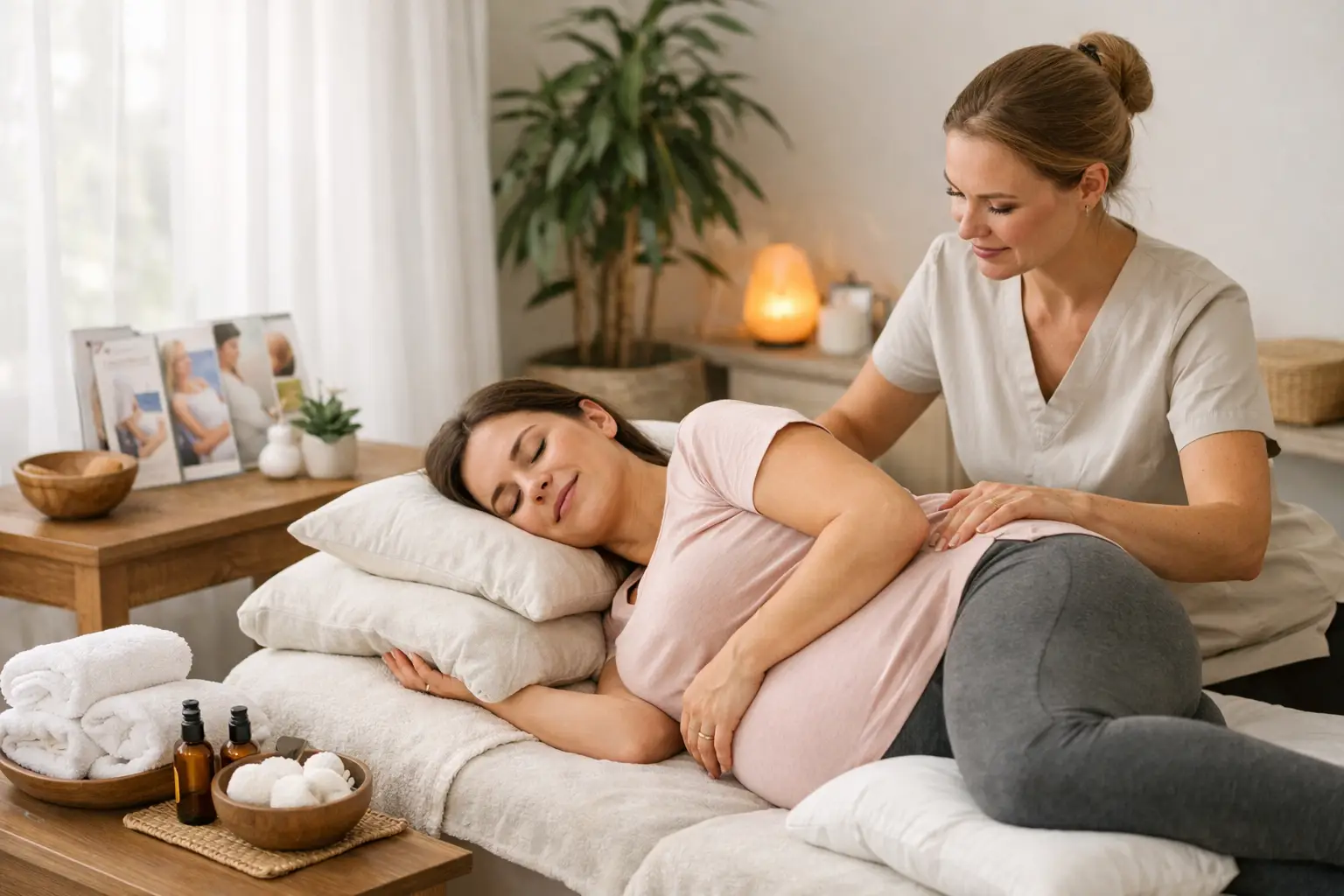
The strongest options usually make it easy to tell what they do best. If a spa specializes in massage therapy, you should be able to see whether they offer Swedish massage, deep tissue, hot stone, reflexology, prenatal massage, or other modalities that support relaxation and tension relief. If the listing is vague, the experience may be too.
A stress-relief focused spa also tends to get the details right. Noise levels matter. So do session lengths, intake questions, room comfort, and whether the provider adjusts pressure and treatment style based on your goals. A beautiful lobby does not mean much if you leave feeling overstimulated or sore in the wrong way.
Start with your stress pattern, not the spa photos
People often choose a spa based on branding, package names, or social media images. That can work if you want a general pampering experience, but it is not the fastest path to relief. A better approach is to start with how stress is showing up for you.
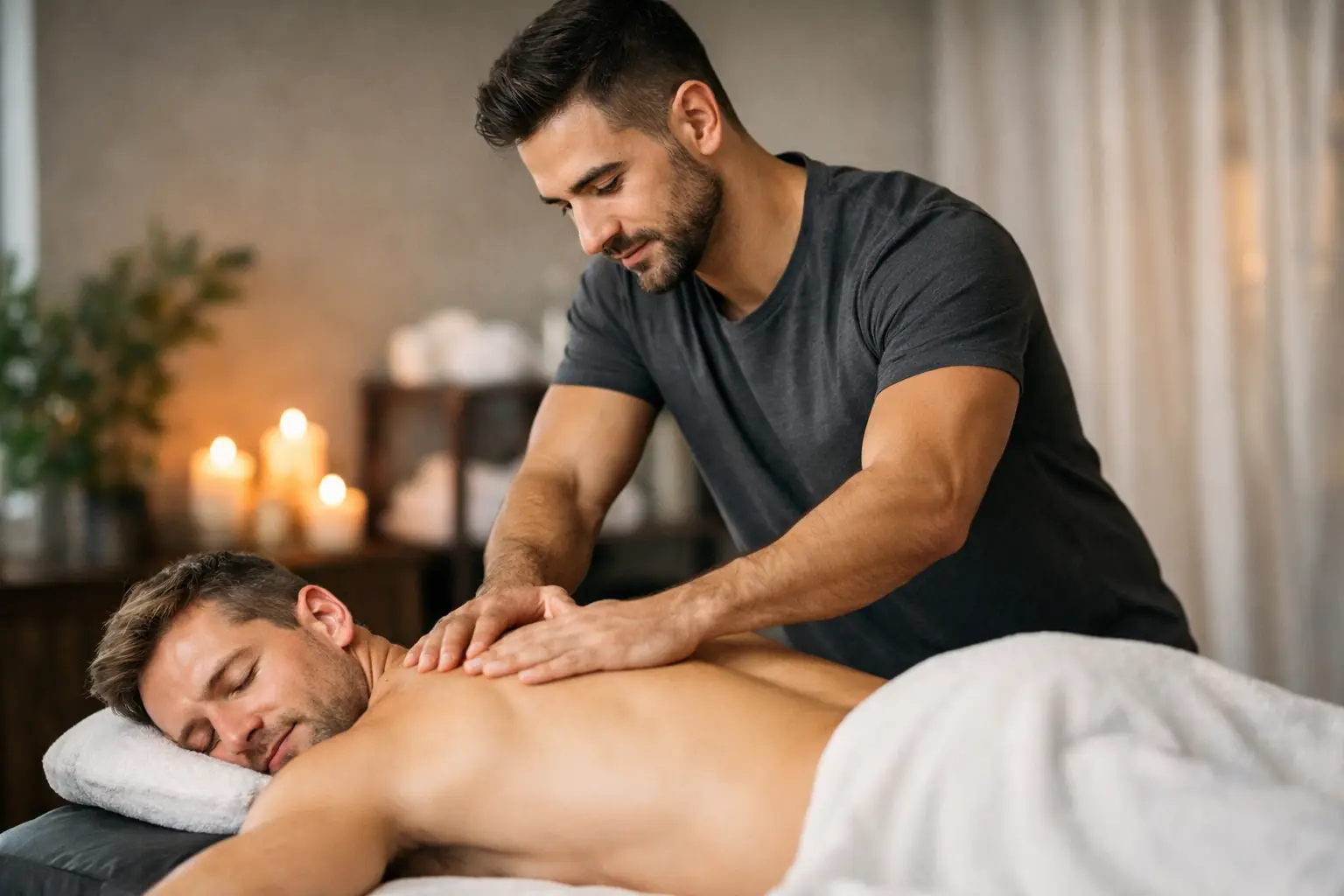
If your stress is mostly physical, such as shoulder tension, headaches, low back tightness, or jaw clenching, massage-forward spas are usually the best place to start. Swedish massage is a solid option for overall relaxation. Deep tissue may help if chronic muscle tension is part of the problem, though it is not always the right choice when your system already feels overworked. For some people, hot stone massage or a slow-pressure therapeutic session creates better results because it relaxes muscle tissue without feeling too intense.
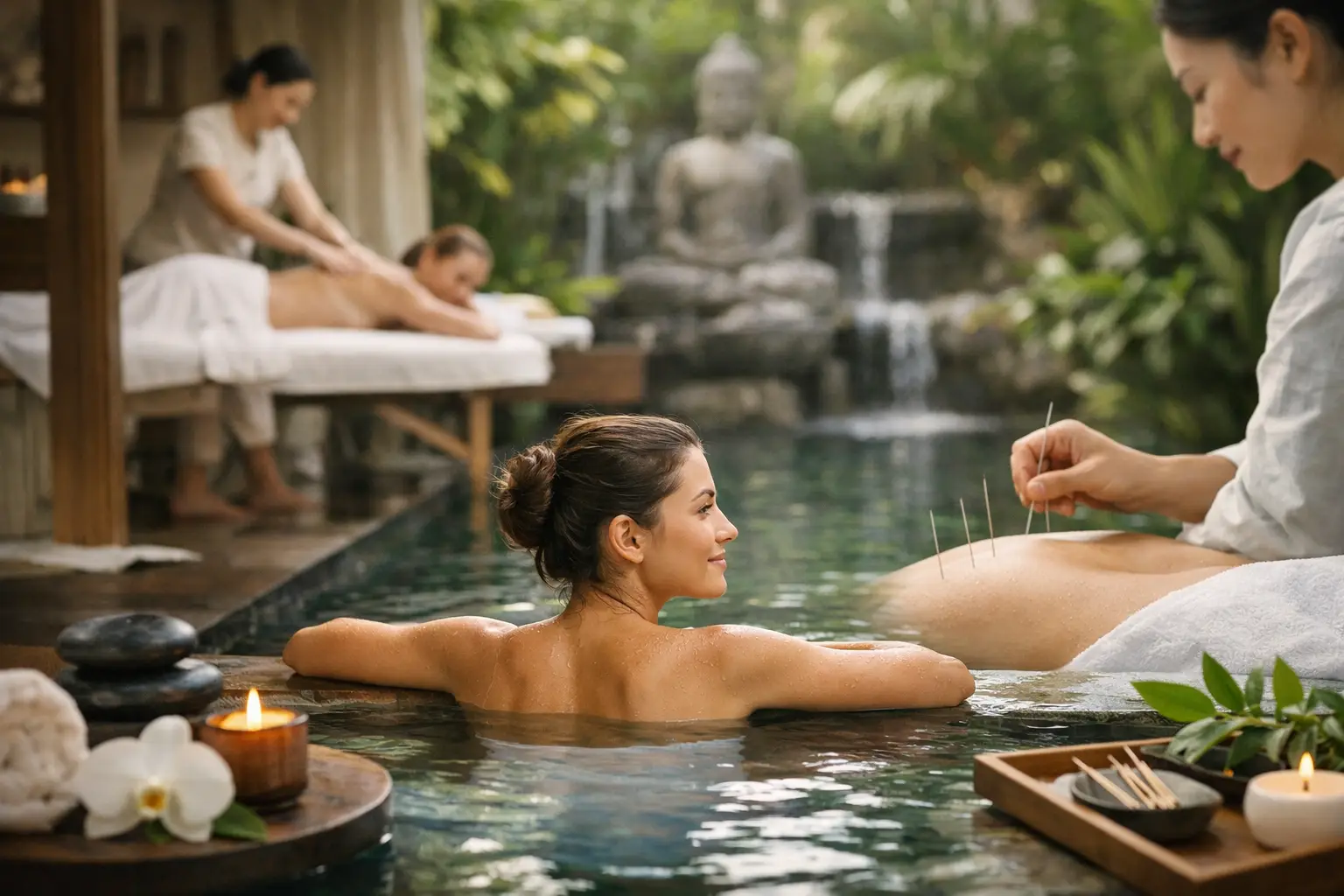
If your stress feels more mental than muscular, look for spas that emphasize calming environments, hydrotherapy, aromatherapy, or quiet recovery spaces. The treatment itself matters, but so does the pace of the experience. A rushed check-in and a packed waiting room can cancel out some of the benefit.
If you are pregnant, postpartum, recovering from athletic training, or managing chronic pain, stress relief gets more specific. In those cases, the best provider may be an independent therapist or specialty spa with targeted training, not a broad spa menu trying to serve everyone equally.
Treatments that tend to work well for stress relief
There is no single best treatment for everybody, but a few services show up again and again when people want reliable relief. Swedish massage is the easiest starting point for most first-time clients because it is built around circulation, muscle relaxation, and a calmer nervous system. It is usually a safer bet than choosing the strongest pressure available.
Hot stone massage can be especially helpful for people who stay guarded or tense even while lying on the table. Heat helps many clients relax faster, which makes the session feel less effortful. Reflexology is another good fit for people who want stress relief without full-body massage, or who prefer a shorter service.
Some spas pair massage with sauna access, steam, soaking tubs, or quiet lounge time. Those amenities can improve the overall experience, but they are not automatically necessary. If your schedule is tight, a well-executed 60-minute massage may be more valuable than a half-day spa package you only book once a year.
That is one of the biggest trade-offs to keep in mind. A luxury spa can feel amazing, but a convenient local provider with consistent availability may do more for your stress over time.
How to compare spas without wasting an hour on research
The fastest way to narrow your options is to compare providers by service type, location, and fit. Start with what you want most: relaxation massage, therapeutic massage, prenatal care, quiet amenities, or a specific modality. Then filter by distance. A great spa across town is less useful if the drive adds another layer of stress.
Next, read the service descriptions closely. You are looking for specifics, not marketing language. A good listing should tell you what treatments are offered, how long sessions last, and whether the business leans more therapeutic or more spa-like. Reviews can help, but focus on patterns instead of one dramatic comment. If multiple clients mention calm staff, strong communication, clean rooms, and leaving noticeably more relaxed, that is more useful than generic praise.
This is where a niche wellness directory can save time. Instead of sorting through unrelated beauty, salon, and general business results, platforms like MySpaList help people compare local spas and therapists by the actual services they need. That is especially helpful when you want something more specific than just “spa near me.”
Signs a spa may not be the best fit
Sometimes the wrong choice is easy to spot. If pricing is unclear, the service menu is confusing, or the business makes it hard to tell what kind of treatments they actually offer, keep moving. Stress relief should not begin with guesswork.
There are subtler signs too. A spa that pushes upgrades too aggressively can make the experience feel transactional in the wrong way. So can a provider that does not ask about pressure preferences, injuries, pregnancy status, or areas of concern. For stress relief, personalization matters. The session should feel responsive, not scripted.
Also pay attention to your own preferences. Some people relax best in a quiet, minimal setting. Others prefer a social, full-service spa with robes, tea, and time to linger. Neither is better across the board. The best spa for stress relief is the one that lowers friction for you.
What matters more than price alone
Price matters, but value is the better question. A cheaper session that feels rushed is not a better deal than a slightly higher-priced treatment that actually helps you sleep better and feel looser for days. On the other hand, expensive does not always mean effective.
Think in terms of frequency and results. If a local spa offers solid 60-minute sessions at a price you can maintain monthly, that may be a smarter stress-management plan than occasional luxury visits. Consistency usually beats spectacle.
It also helps to check whether the provider offers the session length you need. If 30 minutes feels too short and 90 minutes is outside your budget, a 60-minute treatment with a therapist whose style matches your goals is often the sweet spot.
How to book with better odds of a good experience
Once you narrow your options, book with intention. Choose a time when you do not have to sprint straight back into work or traffic if possible. Read the pre-visit instructions. Arrive early enough that your heart rate is not still elevated from rushing in.
When you check in, be direct about what you want. Say if your stress lives in your neck and shoulders, if you do not want deep pressure, or if you are looking for quiet rather than conversation. Good providers appreciate clear guidance, and it usually leads to a better session.
Afterward, notice how you feel later that day and the next morning. The right spa is not just the one that felt good in the moment. It is the one that helps your body stay calmer after you leave.
Finding the right place can take one or two tries, and that is normal. The useful part is knowing what to compare so your next booking is closer to the relief you actually need.