Acne scars can be frustrating because they are not all the same, and the best facials for acne scars depend on what you are actually seeing in the mirror. A treatment that helps with leftover dark marks may do very little for pitted texture. Another may smooth shallow unevenness but be a poor fit if your skin is reactive. If you are booking with a local esthetician or spa, that distinction matters.
Best facials for acne scars start with scar type
Before comparing treatments, it helps to separate acne marks from true scars. Post-inflammatory hyperpigmentation is discoloration left after a breakout. It can look red, pink, brown, or purple depending on your skin tone. That is different from atrophic acne scars, which create indentations like ice pick, boxcar, or rolling scars.
Facials can be a strong option for discoloration, mild texture issues, and overall skin recovery. They are usually less invasive than medical procedures and easier to fit into a regular self-care routine. But deeper pitted scars often need a more aggressive treatment plan, sometimes with a dermatologist or medical spa, not just a relaxing facial on the weekend.
This is why a good consultation matters. An experienced esthetician should look at your skin up close, ask about active breakouts, medications, sensitivity, and your goals, then recommend a treatment based on your scar pattern rather than a one-size-fits-all menu item.
Best facials for acne scars worth considering
Chemical peel facials
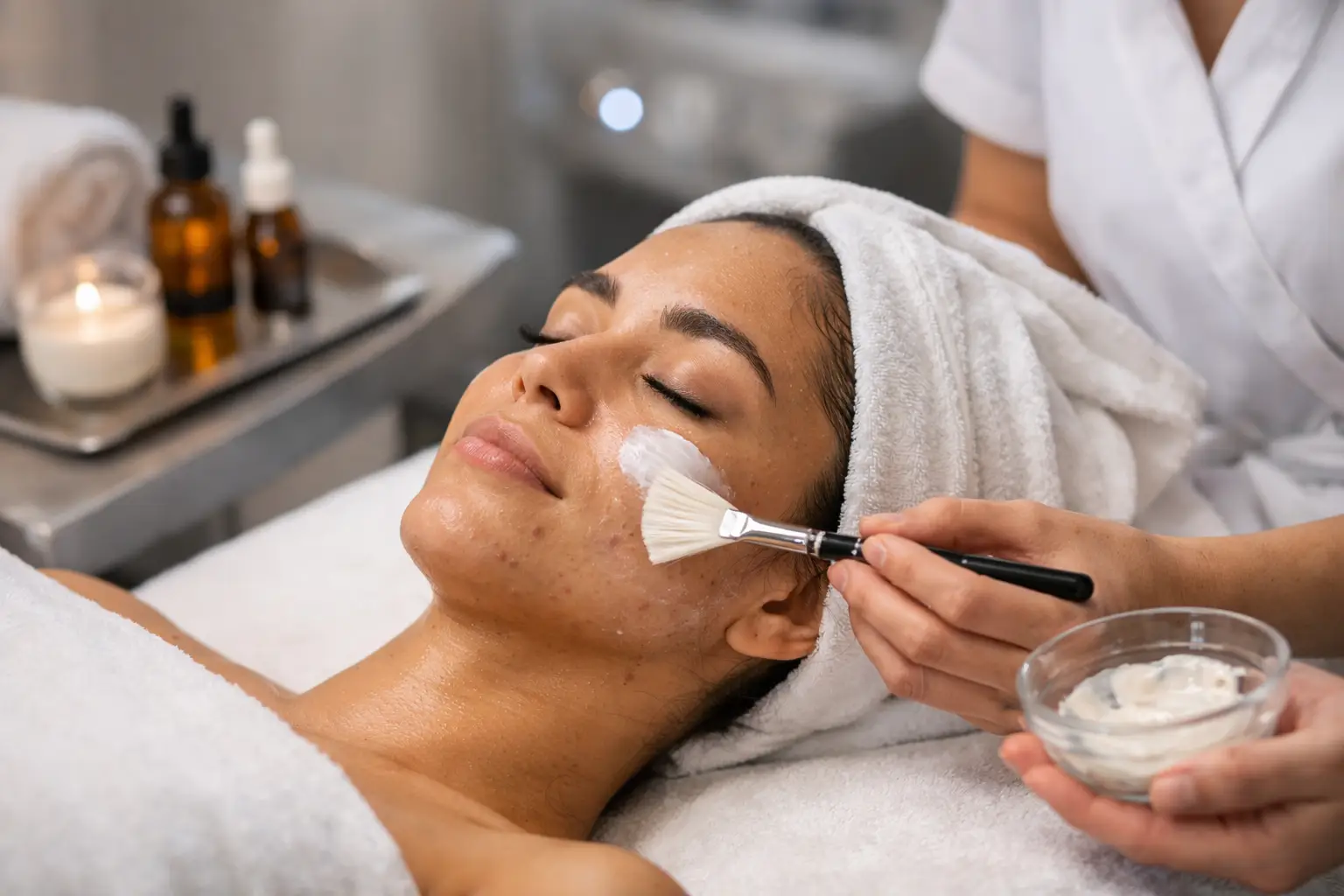
For many people, chemical peels are one of the most effective facial options for acne-related discoloration and mild surface texture. These treatments use exfoliating acids such as glycolic, salicylic, lactic, mandelic, or blended formulas to speed up cell turnover.
If your main concern is post-acne marks rather than deep pitting, a peel can help skin look clearer and more even over time. Salicylic acid is often a good fit for oily or breakout-prone skin, while mandelic and lactic acid can be gentler choices for sensitive skin or deeper skin tones when selected carefully.
The trade-off is that results usually build gradually. One peel may brighten your skin, but a series tends to deliver the more noticeable change. You also need to be realistic about downtime. Some peels cause only light flaking, while stronger versions can leave skin peeling for days.
Microdermabrasion facials
Microdermabrasion works by physically exfoliating the outermost layer of skin. It can help with dullness, minor uneven texture, and lingering acne marks on the surface. For people who want a lighter treatment with little downtime, this can be appealing.
That said, microdermabrasion is rarely the best standalone answer for deeper acne scars. It does not reach far enough into the skin to remodel more pronounced indentations. If your scarring is shallow and your goals are modest, it may be useful. If your scars are noticeable in side lighting, you will likely need something stronger or part of a combination approach.
Enzyme facials
Enzyme facials use fruit enzymes or similar exfoliating ingredients to dissolve dead skin more gently than many acids. They are often a smart option if your skin is sensitive, easily irritated, or still healing from acne.
These facials can improve brightness and support smoother texture, but expectations should stay realistic. Enzyme facials are usually better for maintenance and mild discoloration than for true textural scarring. They are a good entry point if stronger exfoliation makes your skin flare up.
Microneedling facials
Microneedling is often one of the most talked-about treatments for acne scars because it targets texture more directly. Tiny controlled punctures in the skin stimulate collagen production, which can gradually soften certain atrophic scars, especially rolling and some boxcar scars.
For shallow to moderate pitted scars, this can be one of the better non-surgical options. It is less effective for narrow, deep ice pick scars, and it is not always ideal if you have active acne, very inflamed skin, or certain pigmentation concerns without proper provider experience.
Results take time. Most people need a series, not a single appointment. Downtime is also more noticeable than with a basic facial. Expect redness, possible dryness, and a tighter feeling for a few days.
Hydrafacial-style treatments with acne-safe boosters
Hydrafacial-style treatments can work well for clients dealing with congestion, post-acne dullness, and uneven tone. These facials typically combine cleansing, exfoliation, extractions, and serum infusion in one session, which makes them popular for people who want a polished look with minimal recovery time.
For acne scars, they are usually more helpful for discoloration and skin maintenance than for deeper indentations. The value here is in keeping pores clear, reducing buildup, and improving overall skin quality while you pursue a broader acne-scar plan. In other words, think supportive rather than corrective.
LED facials as an add-on
LED light therapy is not usually the main event for acne scars, but it can be a useful add-on. Red light is often used to support healing and calm inflammation, while blue light is more commonly used for acne-causing bacteria.
If your breakouts are ongoing and your skin gets irritated easily, LED can complement other facials without adding much downtime. It is not likely to erase scars by itself, but it may help keep your skin in better condition between more targeted treatments.
What actually works best for different acne scars
If your issue is mostly dark or red marks after breakouts, chemical peels, enzyme facials, and Hydrafacial-style treatments are often the most practical starting point. They can improve tone and brightness without the recovery that comes with more intensive resurfacing.
If your concern is shallow textural scarring, microneedling usually deserves serious consideration. Some clients also benefit from a plan that alternates exfoliating facials with collagen-stimulating treatments.
If you have deep ice pick scars or very noticeable pitting, facials alone may not get you where you want to go. That does not mean facials are pointless. They can still support skin health, improve tone, and maintain results. But it is better to know upfront when your goals may require a medical-level treatment.
How to choose the right provider
The treatment matters, but so does the person performing it. Acne-scar care is not just about booking the most expensive facial on the menu. It is about finding an esthetician or spa that understands scar type, skin sensitivity, and realistic outcomes.
Look for a provider who asks detailed questions before recommending anything. They should want to know about recent breakouts, retinoid use, Accutane history, pigmentation concerns, and whether your skin tends to react strongly. If the consultation feels rushed or every client seems to get the same treatment, keep looking.
It also helps to ask how often they treat acne scarring specifically. A strong provider should be able to explain why they recommend one option over another, how many sessions you may need, what recovery looks like, and when they would refer you out.
For people comparing local options, a marketplace like MySpaList can save time by helping you sort estheticians and spas by location and service type instead of starting from scratch with scattered search results.
What to ask before booking
Ask whether the facial is intended for pigment, texture, or both. Those are different goals. You should also ask how many sessions are typical, whether there is downtime, and what products you need to stop using beforehand.
If you have medium to deep skin tones, ask specifically about hyperpigmentation risk and the provider’s experience treating skin like yours. That question is worth asking directly. Some aggressive treatments can worsen discoloration when they are not chosen carefully.
Also ask whether you need to get active acne under control first. Treating scars while new breakouts keep forming can feel like chasing the problem instead of fixing it.
Setting realistic expectations
The best facials for acne scars can improve skin, but they rarely create overnight transformation. Pigment often fades faster than texture changes. Shallow scars may soften. Deep scars may look better without disappearing completely.
That is not a reason to give up on treatment. It is a reason to choose a plan that fits your skin, budget, and schedule. A series of targeted facials with the right provider often beats random one-off appointments that are pleasant but disconnected from your actual goal.
If you are ready to book, start with a provider who treats acne scars as a skin concern to assess, not just another facial category to sell. The right match should leave you with a clear next step, not more guesswork.