If you’re comparing day spa vs medspa, you’re probably not looking for a technical definition. You want to know where to book, what kind of results to expect, and whether the treatment you want belongs in a relaxing spa setting or a more clinical one. That distinction matters because the wrong booking can waste time, money, and a whole afternoon.
A day spa and a medspa can both offer skin and wellness services, but they serve different goals. One is typically centered on relaxation, maintenance, and non-medical self-care. The other is focused more on corrective treatments, advanced aesthetic procedures, and services that may require medical oversight. If your main goal is stress relief, massage, or a facial before an event, a day spa may be the better fit. If you’re trying to address sun damage, acne scarring, or visible signs of aging with stronger treatments, a medspa may make more sense.
Day spa vs medspa: the core difference
The simplest way to think about day spa vs medspa is this: day spas are usually built around comfort and routine wellness, while medspas are built around treatment plans and visible aesthetic change.
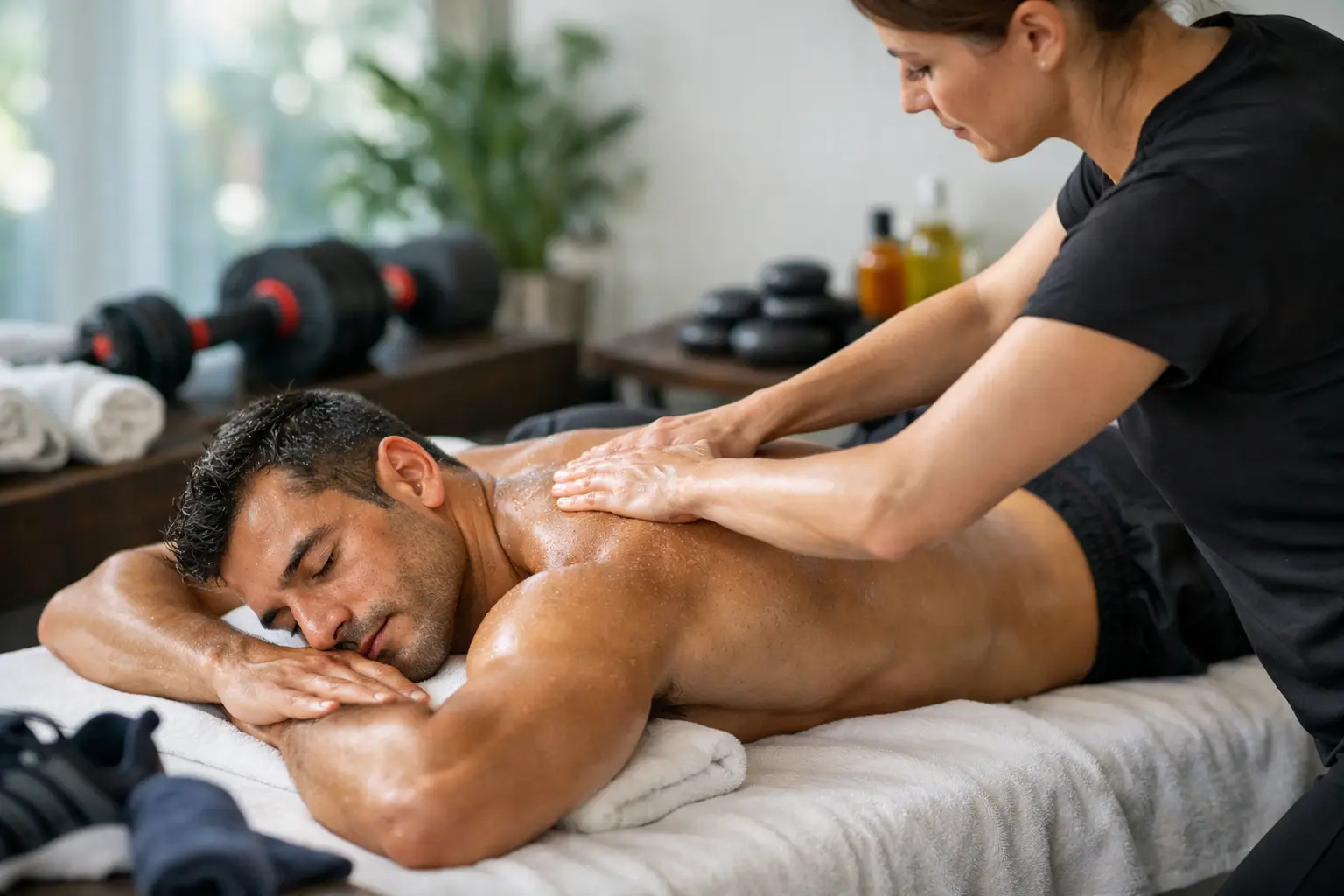
A day spa typically offers services like Swedish massage, deep tissue massage, body scrubs, standard facials, wraps, aromatherapy, and nail services. The atmosphere is part of the experience. Clients often go to unwind, reset, or maintain skin and body care on a regular schedule.
A medspa, short for medical spa, usually blends spa-style services with procedures that are more clinical in nature. That can include chemical peels, microneedling, laser treatments, injectables, skin resurfacing, or advanced acne and pigmentation treatments. Depending on the state and the service, these treatments may need to be performed by or supervised by a licensed medical professional.
That does not mean one is better than the other. It means the right choice depends on what you want the appointment to do.
What you can expect at a day spa
A day spa visit is usually experience-first. The setting is designed to help you slow down. Appointments may include robes, lounge areas, calming music, and longer treatment times. Even when the service has a skin benefit, the session often prioritizes comfort as much as outcome.
For example, a classic facial at a day spa may focus on cleansing, exfoliation, hydration, and relaxation. You may leave glowing and refreshed, but the treatment is not usually meant to target deeper skin concerns with aggressive methods. The same goes for massage. Whether you book hot stone, prenatal, lymphatic drainage, or deep tissue, the goal is generally relief, recovery, and overall well-being rather than a medical intervention.
That makes day spas a strong fit for people who want regular self-care, stress management, or maintenance treatments they can book without a lot of prep. They also tend to appeal to first-time spa clients because the service menu is easier to understand and the atmosphere feels less clinical.
What you can expect at a medspa
A medspa visit is usually results-first. The consultation often matters as much as the treatment itself. Providers may review your skin concerns, health history, medications, and goals before recommending a service plan. The setting may still feel polished and comfortable, but it usually operates with more of a treatment-room mindset than a retreat mindset.
A medspa is often where people go when they want to improve a specific concern instead of simply maintain healthy skin. That could be uneven texture, fine lines, rosacea, sun damage, enlarged pores, acne, hair removal, or discoloration. Some medspa services work best as a series, not a one-time appointment.
This is also where expectations need to be realistic. More advanced treatments can lead to stronger results, but they may also involve downtime, post-care instructions, patch testing, or a gradual response over several sessions. If you want immediate relaxation with little planning, a medspa may not be the experience you’re after.
Services often overlap, but the intent is different
This is where people get confused. A facial might appear on both menus. Skin treatments exist in both spaces. Some businesses even offer massage, facials, and advanced aesthetics under one roof.
The difference is not always the name of the service. It’s the level of intensity, the products or devices being used, the provider’s scope of practice, and the purpose of the appointment.
Take exfoliation as an example. At a day spa, that may mean a gentle enzyme facial or body scrub designed to brighten the skin and feel good. At a medspa, exfoliation could mean a stronger chemical peel meant to treat acne marks or texture over time. Both are valid. They just serve different needs.
If you’re looking at menus and everything sounds similar, focus on the outcome. Are you booking for comfort, maintenance, and a pleasant reset? Or are you booking to correct a visible issue with a more clinical treatment path?
Day spa vs medspa pricing
Price usually follows treatment complexity.
Day spa services are often easier to budget for because they’re straightforward and commonly booked as one-off appointments or monthly maintenance. A massage, body treatment, or classic facial tends to come with a clear price and a predictable appointment length.
Medspa pricing can be less predictable because treatment plans may vary by provider, device, product strength, and number of sessions needed. A single appointment may cost more upfront, and the total investment can rise if your goal requires a package or follow-up visits.
That said, expensive does not automatically mean better. If all you want is a relaxing facial and shoulder massage, paying medspa pricing for services you do not need is not a smart upgrade. On the other hand, if you’ve spent months trying standard facials for a skin issue that really needs a more advanced approach, the day spa route may end up costing more over time without getting you where you want to go.
How to choose the right option for your goal
The fastest way to choose between a day spa and a medspa is to start with your reason for booking.
If your goal is to relax, relieve tension, enjoy bodywork, or maintain your skin with gentler treatments, start with a day spa. This is often the better match for massage therapy, body treatments, and general self-care appointments.
If your goal is to treat a persistent aesthetic concern or get a stronger skin result, look at medspas. This is often the better match for laser services, injectables, resurfacing, and corrective procedures.
It also helps to think about your comfort level. Some people want a quiet, pampering environment and are not interested in downtime or treatment plans. Others care less about the spa atmosphere and more about measurable changes in their skin. Neither approach is wrong.
Questions to ask before you book
A few quick questions can save you from booking the wrong place. Ask what the treatment is designed to accomplish, who performs it, whether there is any downtime, and how many sessions are typically needed. If you’re considering a medspa, ask whether a consultation is required and what kind of medical supervision applies to the service.
You should also ask about the provider’s experience with your specific concern. Someone looking for a soothing facial before a wedding has different needs than someone trying to improve acne scarring or melasma. A good provider should be able to explain what the service can realistically do and where its limits are.
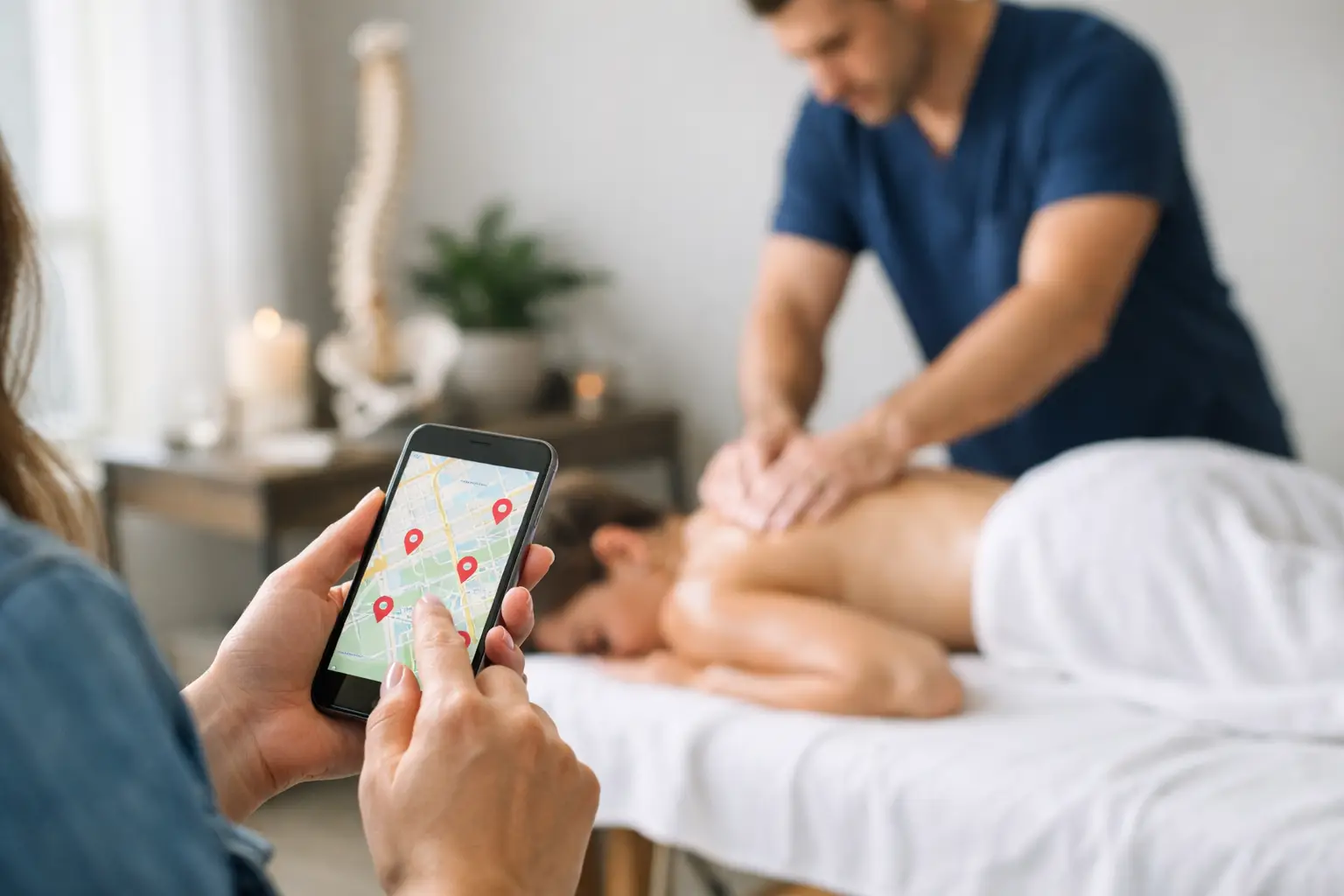
This is especially useful when you’re browsing local listings. Service names can sound appealing, but the details matter. Looking closely at specialties, treatment menus, and provider backgrounds can help you narrow down the right fit much faster.
Finding the right local provider
When people search for spas, they often start too broad. That’s how you end up comparing businesses that offer very different experiences. A better approach is to filter by the service you actually want and then evaluate whether the business is structured more like a day spa or a medspa.
If you want massage, body treatments, or a standard facial, focus on providers that clearly specialize in those services. If you want advanced skin treatments, look for providers who make those procedures a core part of their practice, not an afterthought. Platforms like MySpaList make that easier by helping you compare local spas and wellness providers by service type, so you spend less time sorting through mismatched results.
The best booking decision usually comes down to one simple question: are you trying to feel better for the day, or change something over time? Once you know that, the choice between a day spa and a medspa gets a lot clearer.
A good spa visit should match your goal, your budget, and your comfort level. Start there, and the right local option tends to stand out quickly.