If you’re comparing deep tissue vs sports massage, you are probably not looking for a spa menu description. You want to know what’s actually going to be helpful, whether that’s relieving the tension from a desk job, recovering from workouts or treating a stubborn knot that just keeps coming back.
The short answer is these two massage techniques can overlap, but they are not the same. Deep tissue massage is generally used to relieve chronic muscular tension and work through the deeper layers of muscle and connective tissue. Sports massage is movement, performance and recovery based. Neither is inherently better than the other. What the better choice is, depends on what your body is doing and what you need from the session.
Deep tissue massage or sports massage: what’s the difference?
The main difference between deep tissue and sports massage is the purpose of treatment.
Deep tissue massage is used to treat chronic tightness, areas of restriction and patterns of tension that have developed over time. It is common in people with postural strain, neck and shoulder tightness, low back tension and limited mobility from repetitive habits or stress.
Sports massage is a little more specific to people who are physically active, even if they are not competitive athletes. It often targets muscles used in a particular sport or training programme and the session may be timed around activity – before exercise, after exercise or during a training cycle. The typical goal is to improve performance, decrease recovery time, increase range of motion or treat muscle fatigue before it becomes an injury problem.
This means that a runner training for a half marathon for example, might benefit from sports massage even if the pressure isn’t extremely deep. Someone who works at a computer all day and has years of upper back tension may get more out of deep tissue work, even if they also go to the gym.
Good for What Deep Tissue Massage
When the problem feels stubborn, deep tissue massage is often the choice. Consider chronic tightness in the shoulders, tension headaches associated with neck strain, lower back pain, tight hips or dense tissue that won’t yield to a lighter relaxation massage.
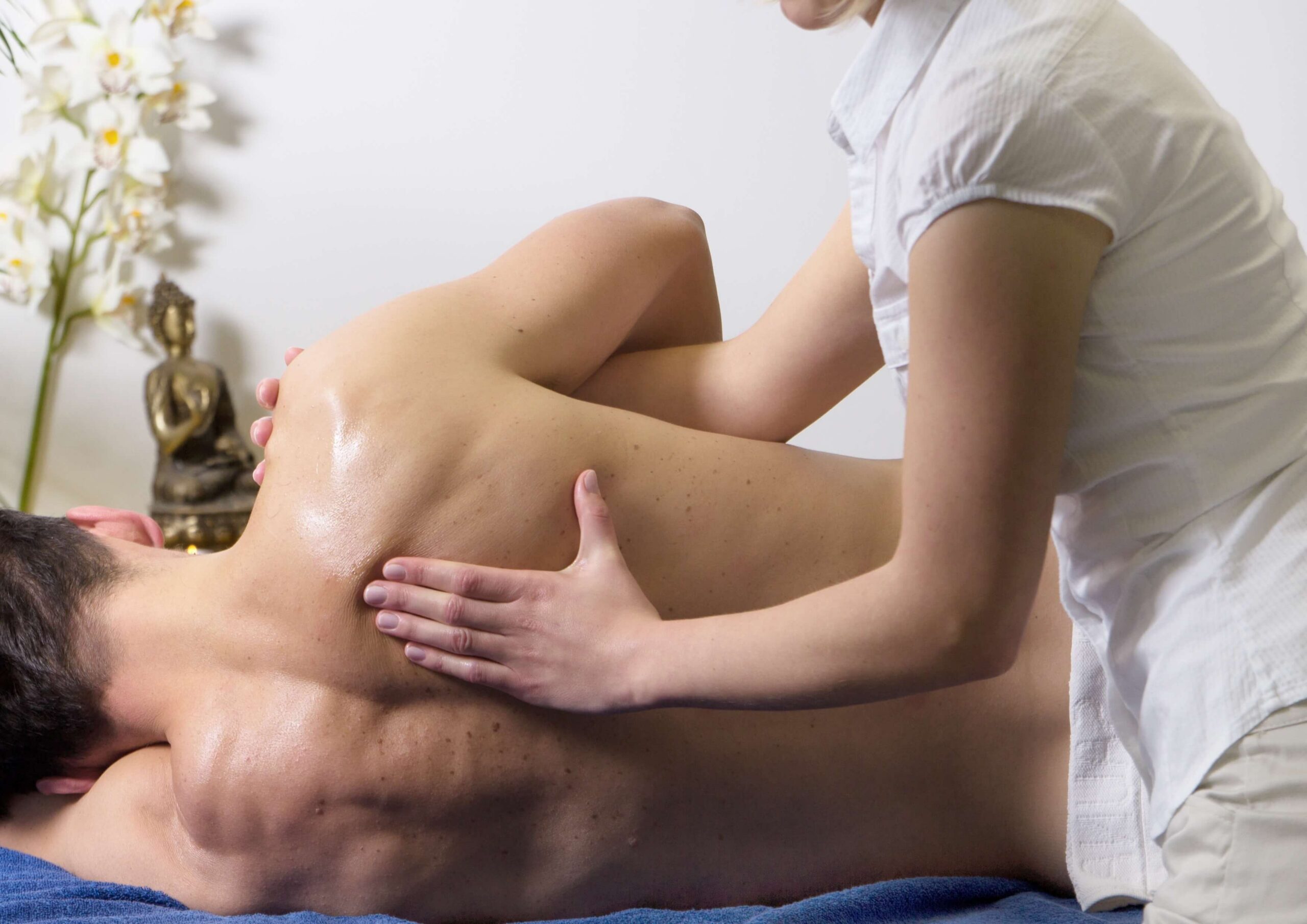
A therapist that uses deep tissue techniques will generally be slow and deliberate. But good deep tissue is not just about force, though the pressure may be firm. It’s all about accuracy. Usually the therapist is not pushing harder everywhere but trying to follow the patterns of restriction and get to the deeper muscle layers and fascia.
If you want relief from long-standing muscle tension, less stiffness, or better mobility in a particular area, this style can be helpful. It can also be a good fit if you already know lighter massage doesn’t do much for you.
There is a trade off though. If the massage therapist works on very tight areas, you might be sore for a day or two after a deep tissue massage. It can also be overwhelming if you have an already overtaxed nervous system, are very sensitive to pressure, or if your pain is more acute than chronic.
What is the best massage for sports
With sports massage it’s not so much a particular level of pressure as it is context. One area might get deep pressure , another lighter work , and there might be some stretching or mobility work throughout the session . The treatment is frequently tailored to what your body is doing at this moment.
If you lift weights, run, cycle, play tennis, do CrossFit, take long hikes, or spend weekends in recreational sports, sports massage can be a practical choice. It’s commonly used to reduce post-exercise tightness, help with flexibility, target overused muscle groups, and help you stay active with fewer setbacks.
And if your problem is clearly a movement problem, it is also one of the better options. Maybe your calves cramp up every time you add mileage. Maybe you swim and your shoulders are tight. Your hamstrings might always be pulling when training. Sports massage tends to view those patterns through the lens of activity, not just tension.
A plus is that you don’t have to be an athlete to get a sports massage. If your body stress is from your movement goals, frequent exercise, or repeated strain from activity, it might still be the right fit.
Pressure is not the deciding factor
“A lot of people think deep tissue is very hard pressure and sports massage is moderate pressure for athletes. In reality, though, it’s more nuanced than that.
Deep tissue can be firm, but the defining characteristic is not how painful it is. The point is that the work is intended to address a deeper structural tension. Sports massage can be deep, too, especially when working with overused muscle groups or dense areas from training. Also, it can be lighter and more focused on mobility if the session is structured for pre-event prep or active recovery.
So if you’re picking based on how much pressure you want, you might be in the wrong appointment. So the question is do you want help with general chronic tension or do you want bodywork around exercise, recovery, and performance?
When Deep Tissue Massage Is More Logical
If your discomfort is more related to day to day life than athletic activity then deep tissue massage is often the better option. It’s a popular choice for office workers, people with physically repetitive jobs and anyone dealing with tension that seems to build in the same spots week after week.
It may also be worth it if you’re trying to loosen up a certain area that feels bound up, such as your upper traps, glutes, hips, or lower back.” If you’ve had massages before and keep requesting targeted work on chronic knots, deep tissue is usually the more direct match.
That said, deep tissue isn’t always the best option. If you are currently experiencing acute inflammation, new injuries or serious pain that has not been checked out, aggressive work can be too much. In those cases it’s better to ask the therapist what method is appropriate rather than booking based on the name alone.
When to opt for sports massage instead
If your body complaints are connected with activity patterns, sports massage is often a better fit. Sports massage gives the therapist a more useful framework if your problem worsens after training, flares with a particular movement or affects your performance.
It’s also a good option if your needs shift from week to week. For example, someone who trains regularly might want more activation and mobility before an event, then recovery-focused work afterwards. Sports massage is made for that kind of adjustment.
This method can also be a better fit for active clients who don’t want a cookie-cutter full-body session. Sports massage is generally more specific if you want treatment based on how you run, lift, cycle or move.
Questions to ask before booking
The problem is that service names differ from provider to provider. One therapist’s deep tissue session could involve myofascial work and trigger point therapy. Another therapist may do a great sports massage on active adults, but it may not be sports-specific.
Check the therapist’s experience and service description before booking. Ask what the session is best suited for, if they work with chronic tension or athletic recovery and how they adjust pressure. Please tell me if this is a clear-cut issue. A good therapist will be able to tell you if your goals are compatible with the service.
This is where a niche local directory can help you save time. Rather than slogging through generic wellness listings, you can compare massage therapists by modality, location, and type of treatment and hone in on a practitioner who really matches your needs.
The best choice is the one that fits your goal
If your primary concern is built-up tension, stubborn knots and restricted areas from stress or posture, deep tissue massage is often the right choice. If you want recovery, mobility, performance support or bodywork associated with training, then sports massage generally makes more sense.
And if you’re not sure yet, that’s okay too. There is crossover between the two and many skilled therapists blend techniques based on what they find in your body. The best thing to do is not to chase the deepest pressure or the trendiest label. It’s finding a therapist who understands what your goal is and works in a way that fits that.
The best massage is the one that helps you feel better in your real life — at your desk, at the gym, on the trail, or getting through the week with less tension and more range to move.