You usually know what you need before you start searching. Maybe it is a deep tissue massage after a long work week, a prenatal massage close to home, or a spa day that does not require opening ten tabs to compare menus. That is where a spa directory USA search becomes useful. Instead of sorting through scattered listings, outdated business pages, and broad search results, you can focus on local providers that match the service, location, and experience you actually want.
Why a spa directory USA search works better
General search engines are good at showing volume. They are not always good at showing relevance. If you search for a massage, facial, or acupuncture appointment in a busy metro area, you may get ads, map packs, chain businesses, blog posts, and directories that mix unrelated categories together.
A specialized spa directory in the USA works differently. It narrows the field to wellness services people are actively booking, including massage therapy, spa treatments, skincare, and acupuncture. That matters when you are not browsing casually and want to compare real options quickly.
The biggest advantage is context. A focused directory can organize providers by service type, city, neighborhood, and even more specific preferences such as therapist gender or treatment style. That cuts down the time spent clicking into listings that do not fit.
What people are really looking for in a spa directory
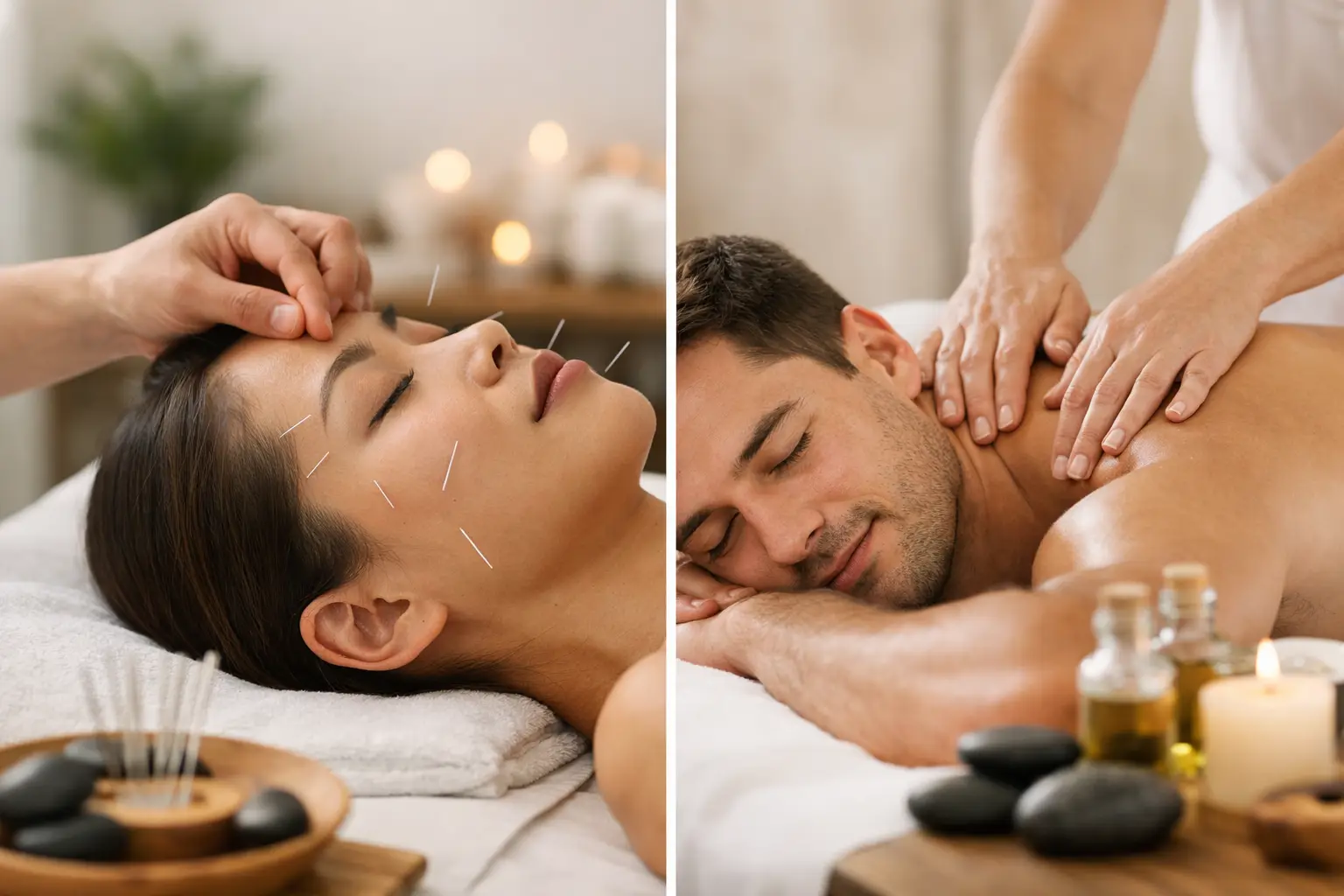
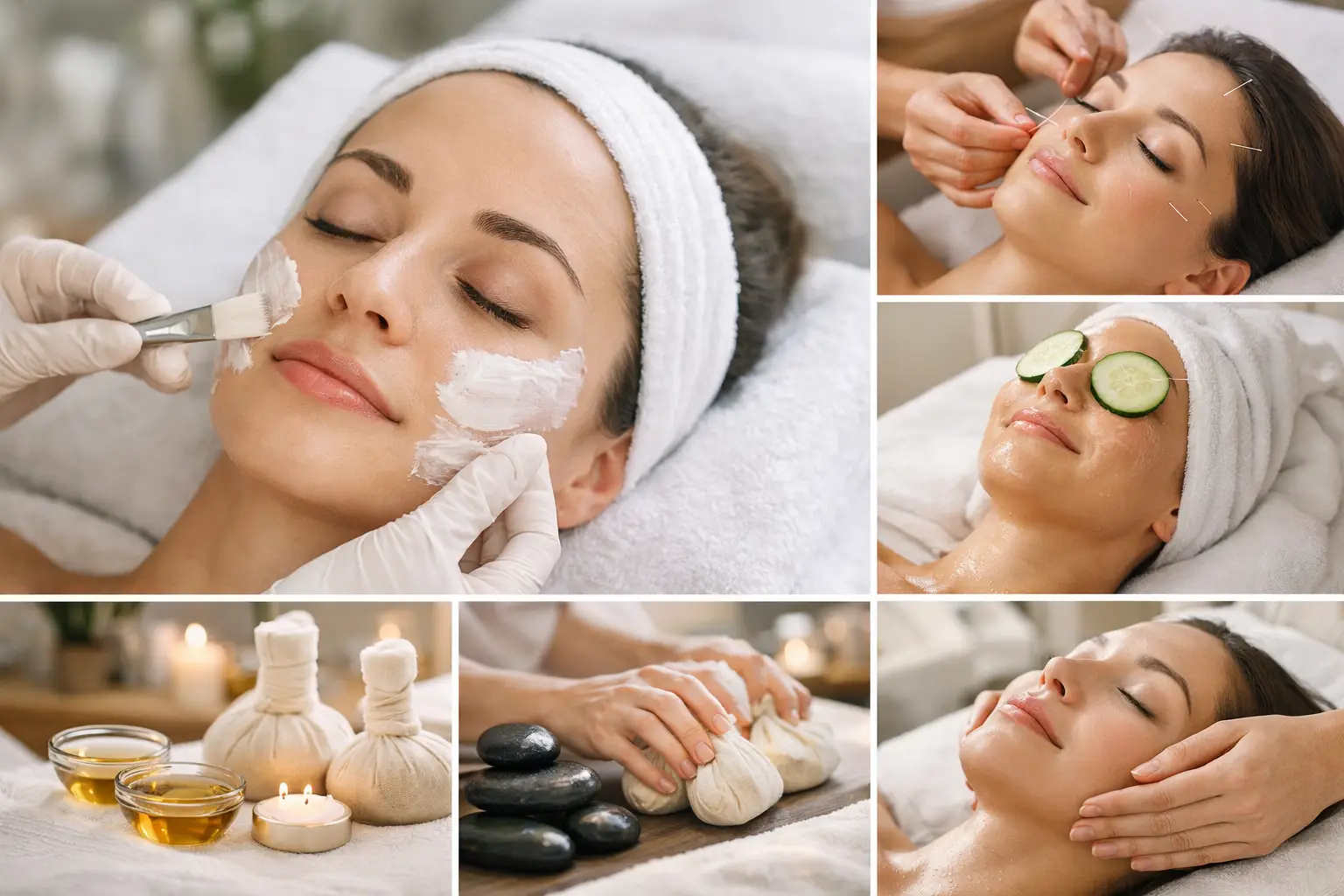
Most users are not just typing in “spa near me” and hoping for the best. They usually have a more specific need, even if they do not phrase it perfectly at first. Some are dealing with back tension and want deep tissue or sports massage. Some want lymphatic drainage, reflexology, or Thai massage. Others are looking for an esthetician for facials, acne care, or advanced skin services.
A good directory helps bridge that gap between broad intent and specific booking choices. It should make it easy to start with a category, then narrow by location and treatment. That is especially helpful for first-time clients who know the result they want but not the exact terminology.
Experienced wellness clients tend to be even more specific. They may want myofascial release, prenatal bodywork, cupping, or an acupuncturist in a certain part of town. In those cases, a generic local listing site can feel slow because the filtering is too broad. A niche wellness directory gets you closer to the right match faster.
The features that make a directory worth using
Not every directory is helpful just because it has a lot of listings. The real test is whether it helps you make a decision without extra research.
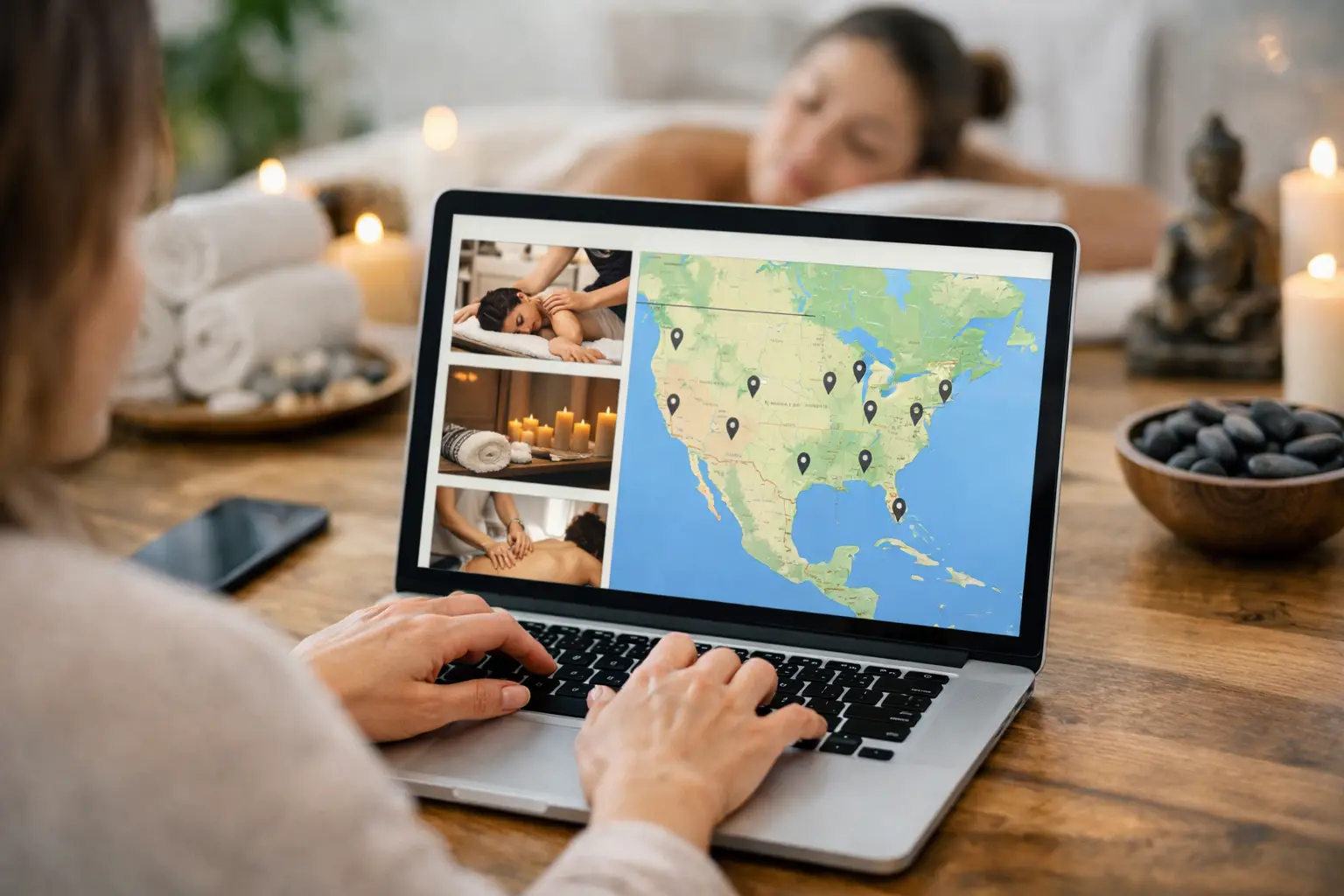
Location-based search is the first thing that matters. If you cannot quickly browse by state, city, or nearby area, the directory adds friction instead of removing it. Wellness services are local by nature. Few people want to drive an hour for a routine massage unless the treatment is highly specialized.
Service filtering matters just as much. A spa menu can be broad, and not every provider offers the same treatments. If you are searching for hot stone massage, prenatal massage, or body contouring, you should not have to read through every profile to find out who offers it.
Clear provider categories also make a difference. Massage therapists, spas, acupuncturists, and aestheticians may overlap in a wellness search, but they are not interchangeable. A directory that keeps those categories organized helps users compare like with like.
Then there is profile quality. Good listings should give you the basics upfront: services, service area, business type, and enough detail to decide whether the provider is worth a closer look. If every listing feels incomplete, users end up going back to a search engine anyway.
When a general search is enough and when it is not
There are times when Google Maps or a quick local search is fine. If you already know the spa name, have a referral, or only need a phone number, a broad search tool may be enough.
But if you are comparing multiple providers, trying a new modality, or searching in a city you do not know well, a spa directory USA search is usually more efficient. It gives structure to the search process. Instead of trying different keywords one by one, you can move through a filtered set of relevant providers.
That becomes more valuable in dense markets. In cities with dozens or hundreds of wellness businesses, broad search results can feel noisy. Specialized directories reduce that noise by keeping the category narrow and the intent clear.
How to search smarter for spas and wellness services
Start with the service, not just the category. Searching for “massage” is a broad first step, but searching for “prenatal massage,” “sports massage,” or “lymphatic drainage” usually gets you closer to the right provider.
Next, narrow by geography in a realistic way. Most people prefer something near home, work, or a neighborhood they already visit. If you search too wide, the choices become less useful. If you search too narrow, you may miss better nearby options just outside your immediate zip code. There is a balance.
Then look at fit, not just availability. A spa might be close and well reviewed, but the service menu may not match your goal. A massage therapist may offer bodywork, but not the specific technique you want. A good directory helps you spot these differences early.
It also helps to know whether you want a spa experience or a treatment-focused appointment. Those are not always the same thing. Some users want a calming environment with multiple menu options and add-ons. Others want targeted therapeutic work for pain relief or recovery. The right directory should support both paths without mixing them up.
Why local wellness discovery needs better filters
Wellness is personal, and search tools should reflect that. People often have preferences that go beyond distance and price. They may want a female therapist, an independent provider instead of a chain, or a practitioner who specializes in athletic recovery, prenatal care, or stress relief.
Without useful filters, those searches become repetitive. You click a listing, scan a menu, back out, and repeat. That wastes time and makes local discovery feel harder than it should be.
This is where a focused marketplace has an edge. Platforms built around local wellness discovery are better equipped to organize listings around how people actually search. MySpaList, for example, centers the process around provider type, location, and service-level specificity so users can move from intent to shortlist without sorting through unrelated categories.
That does not mean every search should be hyper-specific from the start. Sometimes you want to browse what is available nearby, then refine from there. The best directory experience supports both. It gives enough structure for people with a precise need and enough flexibility for users still deciding.
What to look for before choosing a provider
Once you have a shortlist, the final step is practical. Check whether the provider clearly lists the services you want, serves your area, and appears aligned with your treatment goals. If you are booking bodywork for pain relief, specialization matters more than broad spa branding. If you are planning a self-care day, range of services and atmosphere may matter more.
It also helps to watch for signs of consistency. A provider who presents services clearly and appears easy to understand online usually creates a smoother booking experience offline too. That is not a guarantee, but it is a useful signal.
If you are trying a new modality, give yourself room to compare. The closest option is not always the best fit, and the most polished listing is not always the most relevant. A strong directory should make comparison easier, not push you toward one generic result.
The real value of a specialized spa directory in the USA
A good directory is not just a list of names. It is a shortcut for decision-making. It helps people who are ready to book move through local options with less guesswork and more control.
That is especially useful in wellness, where small details matter. The kind of massage, the provider category, the neighborhood, and the treatment focus all shape the experience. Broad search tools can surface options, but specialized directories make those options easier to sort.
If you are searching for independent therapists, spas, acupuncturists, or aestheticians, a spa directory USA search gives you a cleaner starting point. You spend less time filtering out irrelevant results and more time finding providers that fit your needs.
The best search tool is the one that gets you from “I need this service” to “I found the right local option” without making the process feel like work. That is the standard worth expecting the next time you search.