You do not need 12 browser tabs to find a great massage therapist, acupuncturist, esthetician, or spa near you. A good local wellness provider search guide starts with one simple idea: search by the service you actually need, in the area you can realistically visit, with filters that match your comfort level and goals.
That sounds obvious, but most people still start too broad. They search “massage near me,” skim a mix of outdated listings, generic directories, and random reviews, then settle for whatever looks available. That works sometimes. If you want a better fit, especially for something specific like prenatal massage, deep tissue massage, lymphatic drainage, Thai massage, reflexology, or skin services, your search needs a little more structure.
How to use a local wellness provider search guide
The fastest way to narrow your options is to decide what kind of help you want before you compare providers. If your shoulders are tight after long workdays, a relaxation-focused spa massage and a clinical deep tissue session may both sound relevant, but they deliver different experiences. If you are pregnant, managing injury recovery, or looking for post-workout bodywork, the right search terms matter even more.
Start with the modality, not the broad category. “Massage therapy” is a wide umbrella. “Prenatal massage,” “sports massage,” “myofascial release,” and “hot stone massage” point you toward providers with more targeted menus and experience. The same goes for acupuncture and esthetics. “Acupuncture” is a starting point, but if you are searching for stress support, pain management, or general wellness maintenance, look closely at how a provider describes their focus. For skin services, “facial” is too broad if what you really want is acne support, anti-aging treatments, or a specific esthetic service.
Once you know the service type, set your location realistically. A provider across town can look perfect on paper, but if traffic turns a 20-minute trip into an hour, you may not return. Wellness works better when the visit feels easy enough to keep up. For recurring appointments like massage therapy, acupuncture, or skin maintenance, convenience is not a small detail. It affects consistency.
After that, use filters that reflect your actual preferences. Gender preference matters for many clients, especially for massage and bodywork. So does appointment timing, neighborhood, and whether you want an independent therapist or a spa setting. If you know these preferences upfront, your search gets shorter and your final choice gets stronger.
What to check before booking
A search result is only useful if the listing helps you make a decision quickly. The best provider profiles answer the questions most people have before they ever call or book.
First, check the service menu. You want to see clear treatment categories, not vague catch-all language. If a massage therapist lists Swedish, deep tissue, prenatal, reflexology, and lymphatic drainage separately, that usually tells you more than a profile that just says “therapeutic massage.” Clear menus reduce guesswork.
Second, look at the provider’s location details and service area. This is especially important in cities where one ZIP code can still mean a long commute. Neighborhood-level clarity helps you compare options without wasting time.
Third, review how the provider describes their work. There is a difference between a spa that emphasizes relaxation and atmosphere and a therapist who focuses on pain relief, mobility, or recovery. Neither is better across the board. It depends on why you are booking. If your goal is stress relief after a hard week, spa amenities may matter. If your goal is neck tension, low back pain, or athletic recovery, the provider’s treatment style matters more.
Photos can help, but they should support the decision, not carry it. A polished space is nice. A detailed service description is more useful.
Matching the provider to your reason for booking
This is where many searches go sideways. People compare providers as if they all offer the same result, then end up disappointed by a session that was fine, just not right for the moment.
If you want relaxation, search for providers who clearly offer calming, restorative services. That may include Swedish massage, spa packages, aromatherapy, or esthetic services that support downtime. If you want relief from tension or soreness, look for deep tissue, sports massage, myofascial techniques, or acupuncture profiles that speak directly to bodywork and recovery.
If you are booking during pregnancy or postpartum, do not assume every therapist offers prenatal care. Search specifically for prenatal massage and check that it is listed clearly. The same goes for lymphatic drainage and reflexology. These are common enough to search for directly, but not universal enough to assume every provider offers them.
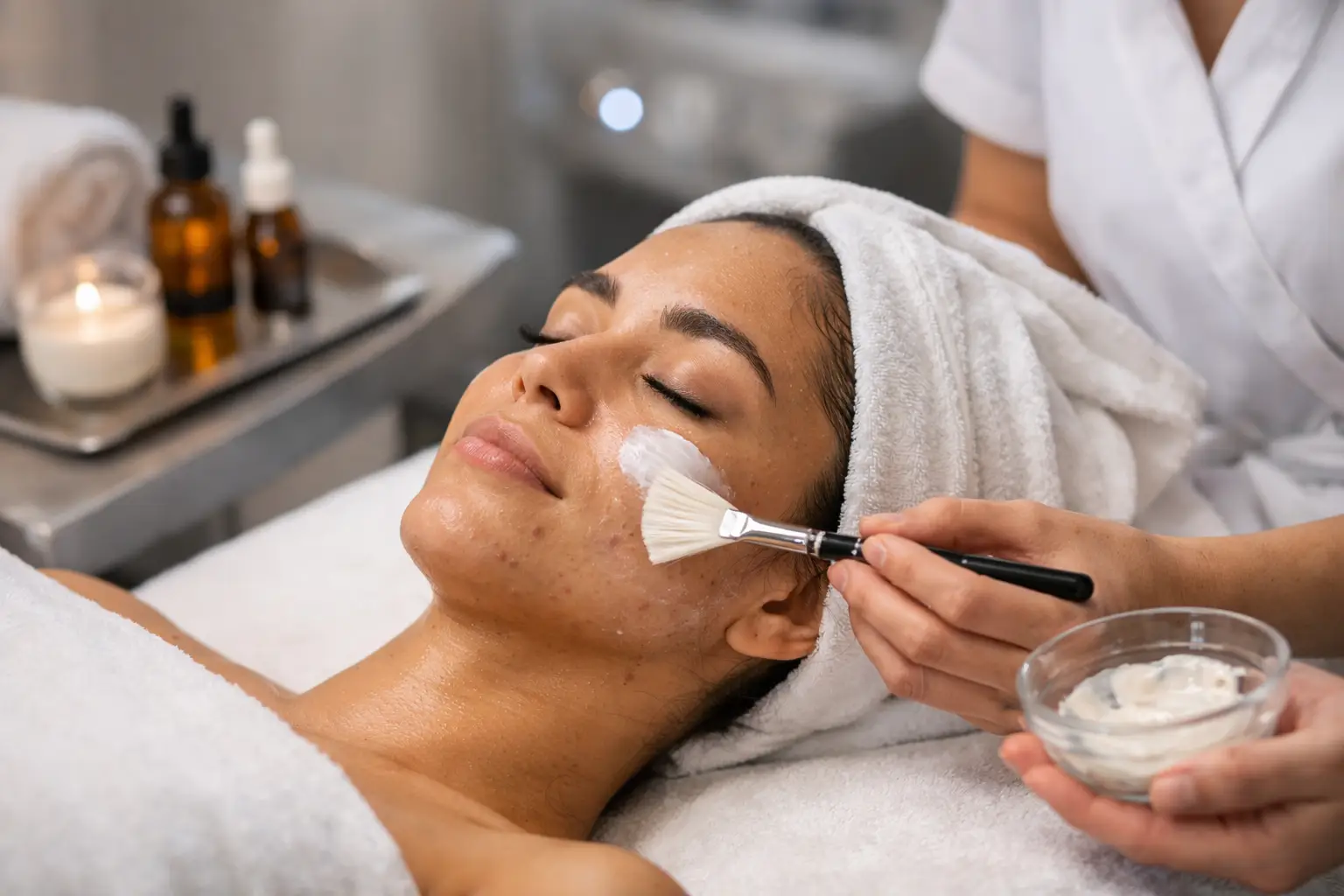
For skin services, think beyond “best facial near me.” Are you looking for routine maintenance, a one-time treatment before an event, or support for an ongoing concern? A local esthetician may be a better fit than a general spa if you want a more focused service menu and a consistent provider relationship.
Why specialized search beats generic search
A general search engine can give you a huge list, but volume is not the same as relevance. When wellness categories get mixed with salons, gyms, med spas, and unrelated businesses, you spend more time sorting than deciding.
A specialized marketplace is often faster because it starts with the categories you actually care about: massage therapists, acupuncturists, aestheticians, and spas. It also makes room for the details that matter in this space, such as service modality, geography, and therapist gender. That is the difference between a broad online search and a useful local wellness provider search guide.
For consumers, this saves time. For first-time clients, it also reduces uncertainty. You are not trying to interpret a generic business listing and guess whether someone offers Thai massage or prenatal care. You are comparing providers within the right category from the start. Platforms built around local discovery, including MySpaList, are useful here because they focus on wellness-specific filters rather than forcing users through generic local search clutter.
Common mistakes that slow down your search
The biggest mistake is searching too broadly and trying to refine later. If you already know you want a female massage therapist in a specific neighborhood who offers deep tissue work, search that way from the beginning. Broad searches create extra comparison work that usually does not improve the outcome.
Another common mistake is choosing based only on the nearest option. Close is good, but not if the service menu is wrong for your needs. A slightly longer drive can be worth it when the match is stronger. The trade-off depends on whether you need a one-time appointment or an ongoing provider.
People also overvalue star ratings without reading the profile itself. Reviews can signal popularity, but they do not replace a clear description of services. A highly rated spa may still be the wrong fit if you are searching for targeted therapeutic work. On the other hand, an independent provider with a simpler listing may be exactly right if their specialties align with what you need.
A faster way to compare local options
If your goal is speed, use a simple decision order. Start with service type. Then narrow by city or neighborhood. Then apply personal preferences such as provider gender and setting. Finally, compare the actual service menus and profile details of the short list.
This order works because it mirrors how people book in real life. You are usually solving for a need first, not chasing the most polished listing. Once the need is clear, the rest of the decision gets easier.
It also helps to think in terms of “good enough to book” instead of “perfect.” If a provider offers the exact modality you want, is nearby, and presents clear information, that may be enough to move forward. Waiting for a perfect listing often leads back to tab overload and no appointment at all.
The best local wellness provider search guide is specific
Specific searches produce better results because wellness services are specific by nature. A person looking for sports massage after training, a prenatal client wanting safe bodywork, and someone searching for a relaxing spa afternoon are not shopping for the same thing. The more clearly you define the service, location, and personal preferences, the easier it becomes to find a provider that fits.
That is really the whole advantage of a smarter search process. Less browsing. Less second-guessing. More confidence that the provider you choose actually matches the service you had in mind.
The next time you book, skip the broad search and start with what you really need. The right local provider is usually much easier to find when your search is built around the treatment, not just the word “nearby.”