Puffy ankles after a flight, lingering swelling after a procedure, or a general feeling of heaviness can all lead people to search for a guide to lymphatic drainage benefits. The treatment is widely offered at spas and massage practices, but it is not a one-size-fits-all service. Knowing what lymphatic drainage can realistically do helps you choose the right provider, ask better questions, and avoid booking a treatment that is not appropriate for your needs.
What Lymphatic Drainage Massage Is
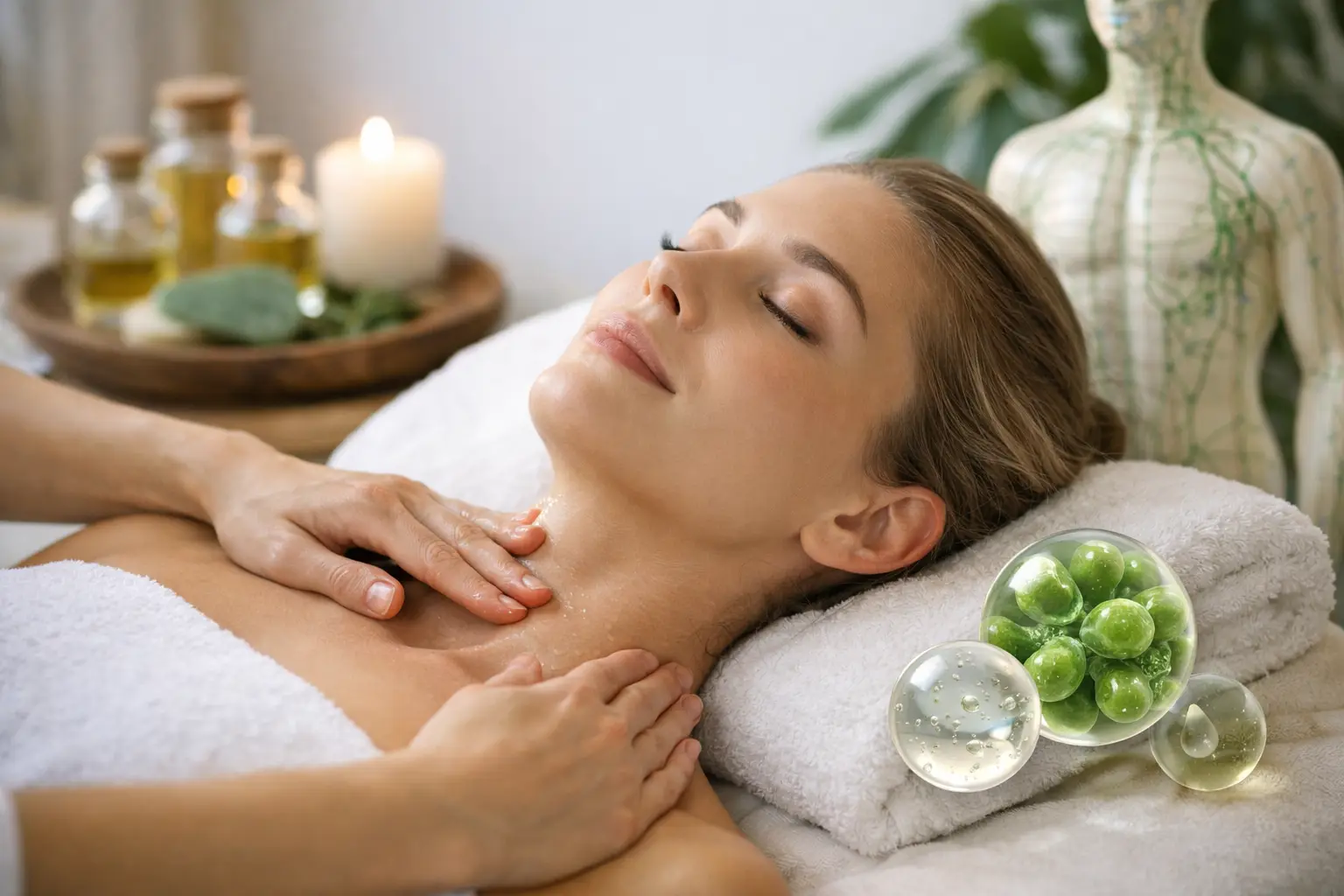
Manual lymphatic drainage, often called MLD or lymphatic drainage massage, uses very light, rhythmic strokes intended to support the movement of lymph fluid toward lymph nodes. Unlike deep tissue massage, the pressure is typically gentle. A trained therapist follows the pathways of the lymphatic system rather than working aggressively into muscle knots.
The lymphatic system helps maintain fluid balance, transports certain fats, and supports immune function. When fluid movement is affected by surgery, injury, medical treatment, or long periods of sitting, swelling can occur. Massage does not replace medical care, but properly applied lymphatic techniques may be part of a broader care plan for some clients.
You may also see lymphatic drainage marketed as a detox treatment. That language can be misleading. Your liver, kidneys, lungs, and other body systems already handle waste removal. Lymphatic massage is better understood as a gentle bodywork technique that may support fluid movement and temporary comfort, not as a cure-all or a shortcut to dramatic weight loss.
Guide to Lymphatic Drainage Benefits: What to Expect
The most noticeable potential benefit is a reduction in temporary swelling or puffiness. Some people report feeling lighter, less tight, or more comfortable after a session, especially after travel, inactivity, or a period of mild fluid retention. Results vary based on the cause of swelling, your health history, and the therapist’s approach.
For clients recovering from certain cosmetic or reconstructive procedures, lymphatic drainage may be recommended by a surgeon as part of aftercare. In those cases, timing and technique matter. Postoperative massage should only be scheduled after the operating provider has cleared it, and the massage therapist should have relevant postoperative training. A treatment that is helpful at the right stage of recovery can be uncomfortable or inappropriate too soon.
People with diagnosed lymphedema may also receive manual lymphatic drainage as part of complete decongestive therapy. This is a clinical situation that often involves compression, movement, skin care, and medical monitoring in addition to hands-on work. Look for a licensed clinician or therapist with specialized lymphedema education rather than treating a spa massage as a substitute for that care.
Other commonly reported benefits include relaxation, gentle relief from a feeling of heaviness, and improved comfort in areas that feel mildly swollen. Because the strokes are slow and light, many clients find the session calming. That does not mean the treatment should hurt. Significant pain, bruising, or intense pressure are not signs that lymphatic drainage is working better.
What It Will Not Do
Lymphatic drainage cannot spot-reduce fat, permanently eliminate cellulite, or treat unexplained swelling without medical evaluation. A short-term change in circumference or appearance may reflect fluid shifts, not fat loss. Be cautious with providers who promise guaranteed detoxification, instant body sculpting, or medical outcomes without first discussing your health history.
Who May Consider a Session
A lymphatic drainage session may be worth exploring if you have mild, temporary puffiness after travel, want a gentle recovery-focused massage, or have received a referral from a medical provider. Athletes may also choose it after demanding training periods when they prefer light-touch bodywork over deeper massage.
It can be a practical choice for someone who finds standard massage too intense. Pressure preferences matter: a deep tissue session is designed to address muscle tension, while lymphatic work is generally focused on superficial tissues and fluid movement. If your main goal is loosening tight shoulders or working through chronic muscle soreness, another modality may be a better fit.
Pregnant and postpartum clients should choose a therapist who specifically lists prenatal or postpartum massage training. Swelling can be common during pregnancy, but sudden swelling, one-sided swelling, pain, shortness of breath, or a severe headache need prompt medical attention rather than a massage appointment.
When to Pause and Speak With a Medical Professional
Do not book lymphatic drainage for new or unexplained swelling without checking with a healthcare professional. Swelling can have causes that need timely diagnosis, including infection, a blood clot, heart concerns, kidney problems, or medication effects.
You should also get medical guidance before treatment if you have an active infection, fever, uncontrolled heart failure, known or suspected blood clot, active cancer without provider clearance, significant kidney disease, or a condition affecting circulation. Recent surgery, radiation, or lymph node removal call for individualized advice from your medical team.
A qualified therapist should ask about these issues during intake. They should be comfortable postponing a session or requesting medical clearance when appropriate. That is a sign of professional judgment, not poor service.
What Happens During an Appointment
Your first session should begin with a conversation about your goals, symptoms, health conditions, medications, surgeries, and any provider instructions. Be specific about where swelling occurs, when it started, whether it comes and goes, and whether you have had lymph nodes removed or treated.
During the massage, you may be draped as you would for other massage services, although the treatment area depends on your goals. The therapist may start near the neck, collarbone, abdomen, or nearby lymph node regions before working on an arm, leg, or other area. The touch is often lighter than clients expect. You may feel relaxed afterward, and some people notice they need to urinate more frequently, though responses differ.
For a straightforward wellness appointment, one session may be enough to see how your body responds. For postoperative or medically related needs, frequency should follow guidance from your surgeon, physician, or qualified lymphedema specialist. More sessions are not automatically better.
How to Find the Right Local Provider
Search for providers who clearly identify lymphatic drainage, manual lymphatic drainage, postoperative massage, or lymphedema training in their service menu. Then check that their license, education, and experience match your reason for booking.
Ask whether they have worked with clients in a situation similar to yours, such as post-surgical recovery, travel-related puffiness, or prenatal care. If you have written instructions from a surgeon or physician, ask whether the therapist can follow them. A provider should explain their approach in plain language and set realistic expectations before the session.
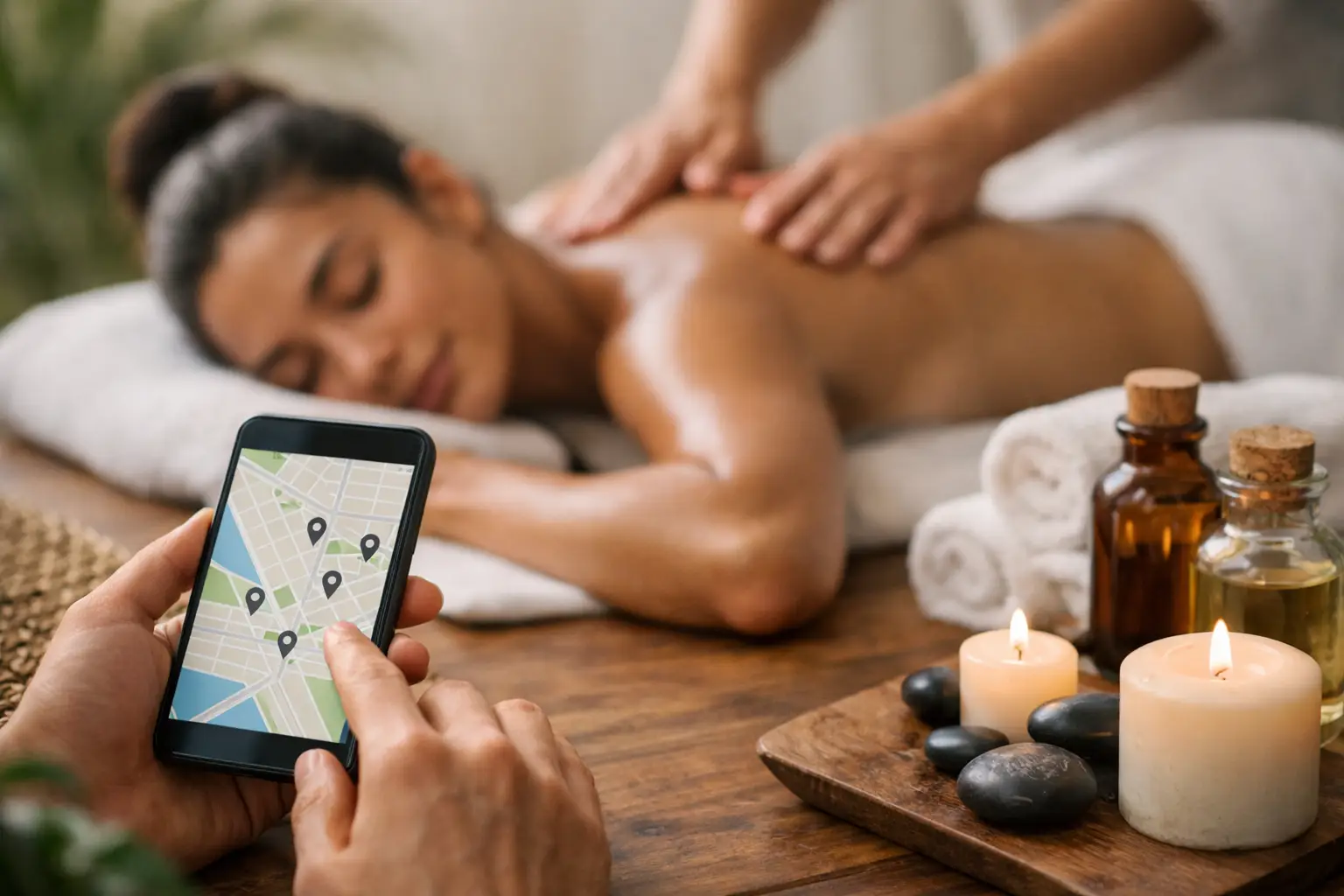
Location and appointment timing matter, too. If you are recovering from a procedure, a nearby office with accessible parking and flexible scheduling may be more useful than a spa that is farther away. MySpaList can help you compare independent massage therapists and spas by service and location, making it easier to narrow down local options before you contact a provider.
Questions Worth Asking Before You Book
You do not need to be an expert to screen a provider. Ask about their massage license, lymphatic drainage training, experience with your specific goal, and whether they require medical clearance for postoperative or medical clients. You can also ask what level of pressure they use and what you should expect after the appointment.
For post-surgical care, confirm that the therapist understands your procedure and knows when to refer you back to your surgeon. If a provider brushes off health questions, promises dramatic results, or pushes a prepaid package before discussing your needs, keep looking.
A Better Way to Plan Your First Session
Choose lymphatic drainage when your goal is gentle, informed support for temporary puffiness, relaxation, or a medically approved recovery plan. Wear comfortable clothing, arrive ready to discuss your health history, and avoid treating the session as a replacement for medical evaluation.
The best appointment is one that matches your body, timing, and goals. Start with a qualified local provider who listens carefully, works within their training, and helps you leave with a clear sense of what comes next.