A facial can leave your skin looking brighter for a day. The right treatment plan can improve how your skin looks and feels between appointments, too. When people search for the best spa services for glowing skin, the most useful answer is not one universal treatment. It is the service that matches your skin concerns, your schedule, and your tolerance for downtime.
Glowing skin usually comes from a few things working together: healthy hydration, consistent exfoliation, a supported skin barrier, and treatment choices that do not irritate your skin. A licensed esthetician can help you sort through the options, especially if you are dealing with acne, uneven tone, dryness, sensitivity, or early signs of aging.
Best Spa Services for Glowing Skin by Goal
Custom facials for a reliable reset
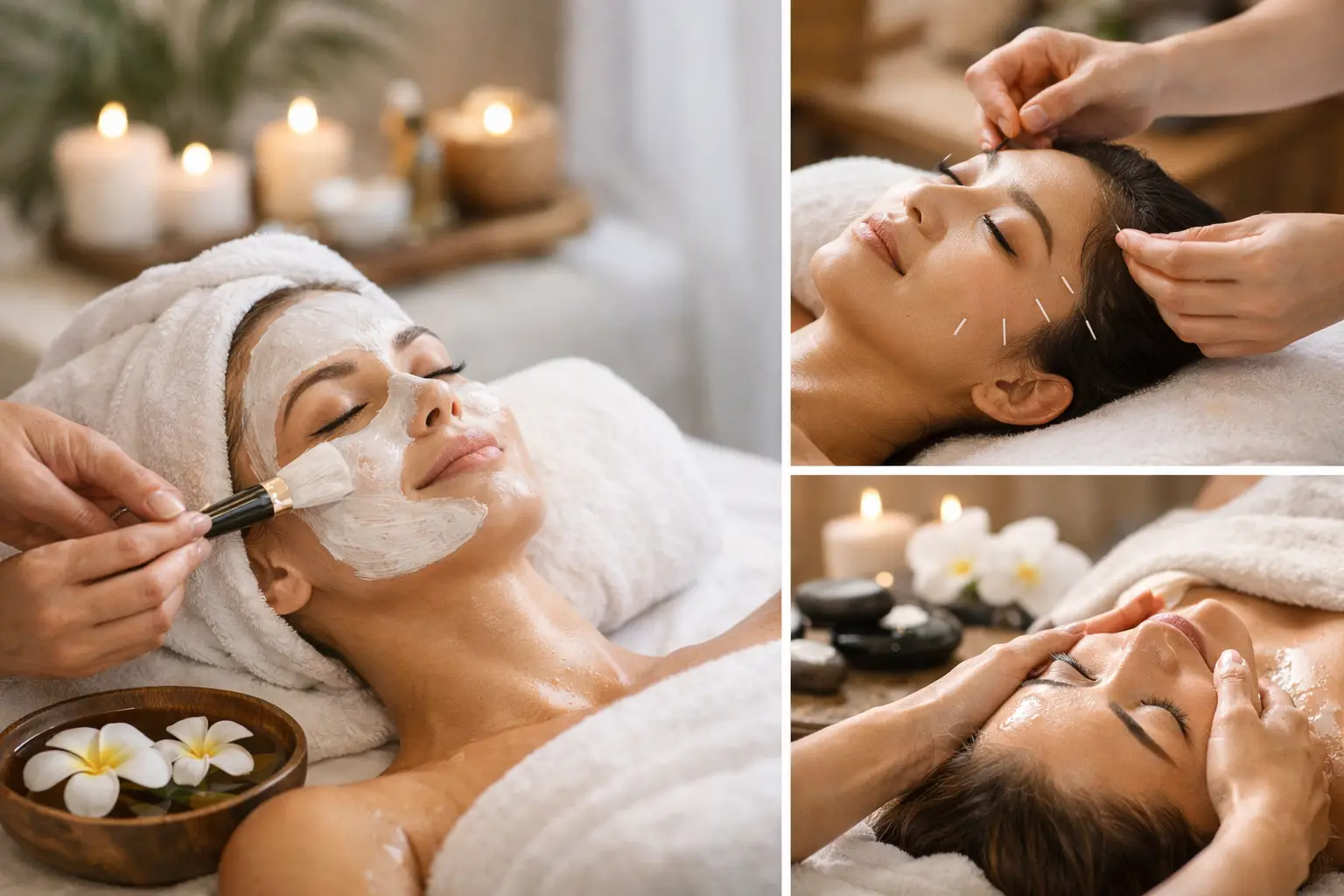
A custom facial is often the best starting point, particularly if you are booking your first professional skin service. Rather than following one fixed protocol, the esthetician assesses your current skin condition and selects products, exfoliation, massage, masks, and finishing steps accordingly.
A good custom facial may include cleansing, gentle exfoliation, steam or warm towels, extractions when appropriate, a treatment mask, and moisturizer with sun protection guidance. It can improve surface dullness and temporarily plump dehydrated skin without the recovery time associated with stronger treatments.
The trade-off is that results are usually subtle and cumulative. A facial is not designed to erase deep acne scars, pronounced pigmentation, or advanced sun damage in one visit. For ongoing glow, many clients schedule facials every four to six weeks and follow a simple home routine between appointments.
Hydrafacial-style treatments for congested, dehydrated skin
Hydrafacial and hydrodermabrasion services combine cleansing, exfoliation, pore clearing, hydration, and serum infusion in one appointment. These treatments are popular before events because they can make skin look smoother and more refreshed with little to no downtime.
They can be a strong fit for skin that feels rough, looks dull, or has visible congestion around the nose, chin, and forehead. The treatment may also appeal to busy clients who want a more intensive-feeling service than a traditional facial but do not want peeling or redness for several days.
Results vary by device, products, and provider technique. If you have rosacea, active inflammation, or very reactive skin, ask the esthetician whether the suction and exfoliation settings can be adjusted. More intensity is not always better for glow.
Chemical peels for uneven texture and tone
A professional chemical peel uses acids or enzymes to encourage exfoliation and skin renewal. Light peels can target dullness, mild discoloration, clogged pores, and uneven texture. Depending on the formula, a peel may use alpha hydroxy acids, beta hydroxy acids, enzymes, or other professional-grade exfoliants.
For many people, a series of light peels produces more meaningful improvement than an occasional aggressive peel. That approach gives the skin time to adapt and lets the provider monitor dryness, irritation, and pigmentation changes.
Peels require planning. You may experience redness, tightness, flaking, or visible peeling for several days, and daily sunscreen becomes non-negotiable. People with melasma, deeper skin tones prone to post-inflammatory hyperpigmentation, active eczema, or a history of cold sores should discuss their history before booking. The right peel and preparation matter as much as the service itself.
Dermaplaning for instant smoothness
Dermaplaning uses a sterile blade to gently remove dead surface cells and fine facial hair. It leaves skin feeling exceptionally smooth and can help makeup apply more evenly. For a quick glow-up before photos, a wedding, or another event, it is one of the most practical options.
Despite a common concern, dermaplaning does not make facial hair grow back thicker or darker. Hair may feel different as it grows in because the tip is blunt, but the procedure does not change the follicle.
Dermaplaning is best for clients without active acne, open lesions, or highly irritated skin. It is often paired with a hydrating facial or calming mask. If your skin is easily sensitized, avoid stacking it with strong acids or retinoid products right before or after the appointment unless your provider recommends it.
Microdermabrasion for surface-level dullness
Microdermabrasion mechanically exfoliates the outermost layer of skin. It can improve the look of mild roughness, clogged pores, and lackluster texture, making it a useful option for clients who want more exfoliation than a basic facial provides.
It is not the best match for everyone. Skin with active breakouts, rosacea, broken capillaries, or significant sensitivity may react poorly to mechanical exfoliation. A skilled esthetician should be willing to recommend a gentler service if your skin is showing signs of barrier damage.
For suitable candidates, microdermabrasion can work well in a series, spaced several weeks apart. Pair it with hydration and daily broad-spectrum sunscreen to protect the smoother skin you reveal.
LED light therapy for calm, supported skin
LED light therapy uses specific wavelengths of light to support different skin goals. Red light is commonly used for concerns related to inflammation and the appearance of fine lines, while blue light may be used in acne-focused treatments. It is painless, requires no downtime, and can be added to a facial or booked as a standalone service at some spas.
LED is not an instant fix, but it can be useful for clients who want a gentle, consistent treatment. The best results typically come from a series of sessions rather than one appointment. If you take medications that increase light sensitivity or have a medical condition affected by light exposure, check with a healthcare professional first.
How to Choose the Right Spa Treatment
Start with your main goal instead of choosing based on what is trending. If your skin is dry and tired-looking, a hydrating custom facial or hydrodermabrasion treatment may make more sense than a peel. If texture, mild acne marks, or discoloration are your biggest concerns, a provider may suggest a peel series or another targeted exfoliating treatment.
Also consider your timeline. Dermaplaning and hydrating facials are often event-friendly, while peels can involve flaking or redness. Avoid trying a new intensive treatment for the first time within a few days of an important occasion.
Provider credentials matter. Look for a licensed esthetician or spa professional who asks about your skin history, allergies, medications, current products, and past reactions. Be clear if you use retinoids, acne medication, exfoliating acids, or prescription skincare. These details can change which services are safe and appropriate.
Get More From Every Appointment
Professional treatments work better when your routine supports them. Keep your post-treatment care simple: use a gentle cleanser, moisturizer, and broad-spectrum SPF 30 or higher. Skip scrubs, exfoliating acids, retinoids, and harsh masks for the amount of time your provider recommends.
Do not assume that more appointments or stronger treatments will speed up results. Over-exfoliation can cause dryness, stinging, breakouts, and a dull, irritated appearance. The healthiest glow usually comes from consistent care, not constant correction.
When you are ready to compare options, use MySpaList to search for independent estheticians and spas near you by location and service type. Read the service menu, ask what the appointment includes, and choose a provider who can explain why a treatment fits your skin rather than simply selling the most intensive option.
The best next appointment is one that leaves your skin comfortable, supported, and easier to care for at home. Start with your actual concern, give the treatment time to work, and let a qualified local professional help you build a routine that makes sense for your skin.