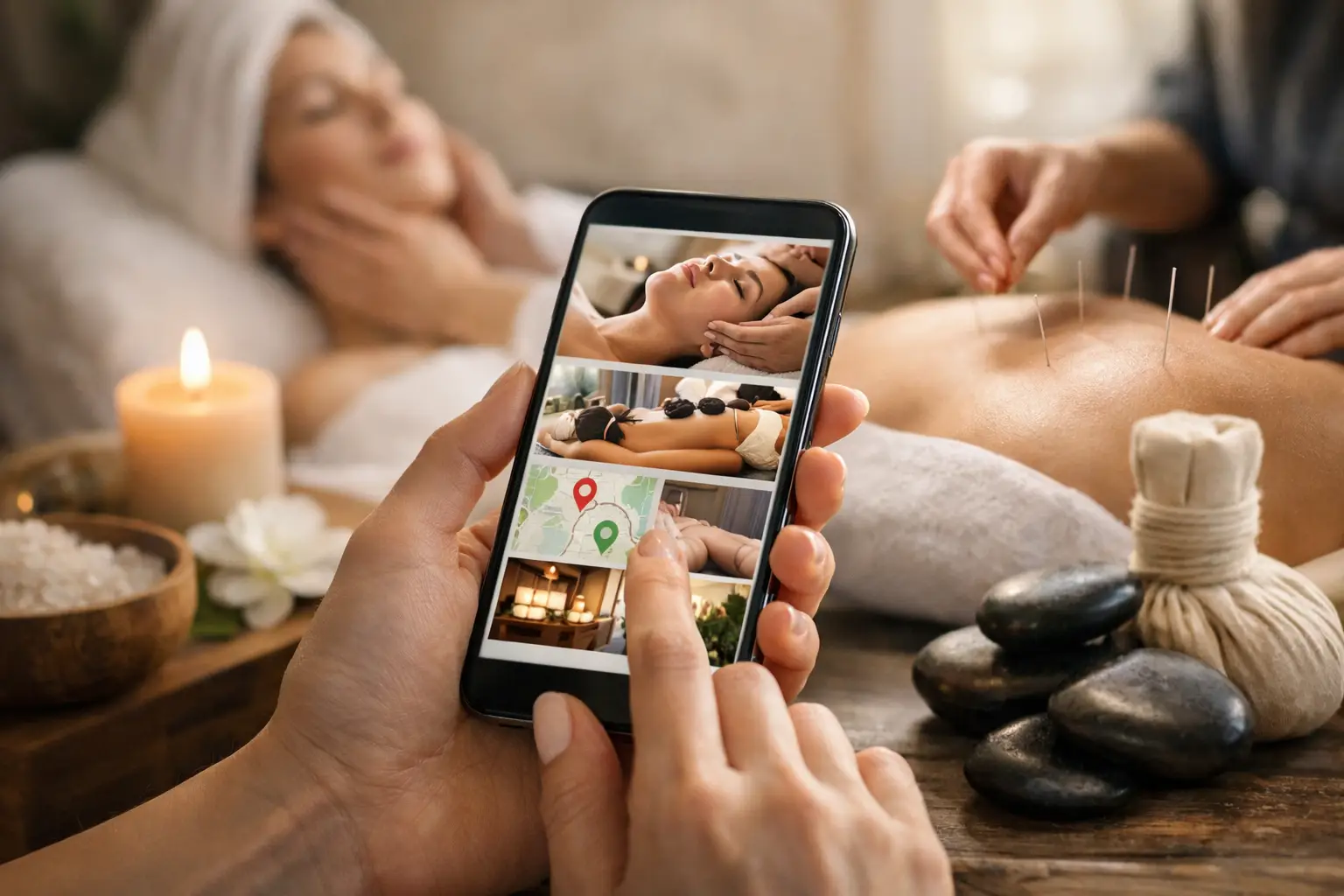
You don’t need 15 open tabs to search for massage therapists by specialty. If you already know you want a prenatal, sports, lymphatic drainage or deep tissue massage, the quickest way to locate one is to search by modality first, then location. That approach cuts through generic listings and gets you closer to a provider whose training actually matches your reason for booking.
A massage therapist is not a product. Others are about relaxation. Others focus their practice on injury support, athletic recovery, pregnancy, mobility, or techniques better for swelling, scar tissue, or chronic tension. If your aim is specific, your search should be specific as well.
Why should I book a specialized massage?
The right specialty can make all the difference in a session. Swedish or hot stone massage could be great for someone who wants to unwind after a long week of work. Someone with workout fatigue might want a sports massage. A pregnant client needs a therapist that can perform prenatal massage and has knowledge of positioning, comfort, and stage-of-pregnancy considerations.
That is important because technique, pressure, pace and even the way the table is set up are different from service to service. Deep tissue isn’t just “harder massage” Lymphatic drainage is not a relaxing, light pressure massage. Thai massage typically includes assisted stretching and a different body position than a typical table session. Reflexology is not the full body bodywork but concentrates on pressure points, usually on the feet, hands or ears.
Searching by specialty doesn’t mean you’re being picky. You’re increasing the chances that the therapist’s service menu, experience and treatment style actually match what your body needs.
Find massage therapists by specialty, not just by distance
Location still counts. No one wants to be driving an hour after bodywork. But picking the closest provider first without checking out specialties can result in a mismatch.
The beginning of a better search is your main need. Ask yourself what you want to change after the appointment. Less neck tension? More movement? Safe for pregnancy support? Recovery after a workout? Less wave? Armed with that knowledge, narrow your search to those therapists who specifically list that specialty.
That’s where a dedicated wellness marketplace makes it easier: you can filter by massage type, city, and sometimes even therapist gender, without having to sort through salons, gyms, and otherwise unrelated businesses. This will save you time, particularly if you are looking at a number of providers in the same area.
When they apply Popular massage specialties
Some clients know the name of the modality. Others know what the problem is that they want help with. Those two are often the hardest to match up.
Deep muscle
Deep tissue massage is generally a good choice if you have long-term muscle tension, tight shoulders, low back pain, or areas that are always tight. It’s the choice of desk workers, stressed out clients who like a slower, more focused pressure. If you are very sensitive to pressure or just want something relaxing this isn’t always the best option.
Sports massage
Sports massage is all about movement, performance and recovery. It’s used by athletes, but also active adults training for a race, getting back into the gym or dealing with repetitive strain from exercise. Some sessions are geared toward pre-event prep and others toward recovery and mobility.
Massage prenatal
Prenatal massage is specifically designed to address the common discomforts of pregnancy such as low back tension, hip tightness and overall physical stress. Here is where specialization does make a difference. Look for a provider who lists prenatal massage specifically, not just a generic massage therapist.
Lymphatic drainage massage
Gentle purposeful techniques are used in lymphatic drainage to encourage fluid movement. People often seek this after surgery, during times of swelling or as part of a wellness routine. The method is gentle and purpose-driven, so it helps to book with someone who features it clearly in their service list.
Nuad Thai
If you prefer a more active experience that includes stretching and mobility work, Thai massage is often a good choice. It can be very different to a traditional oil-based table massage. If passive relaxation is what you’re after, this may not be your first choice. But if you want movement and release, it might be just right.
Reflexology
Reflexology is a popular treatment for clients who want pressure work, but not a full body massage. It’s often chosen for stress relief and general relaxation, but everybody’s tastes are different. So if you’re not looking for a typical massage session or want something more focused, reflexology may be worth considering.
How to compare providers when you know the specialty
Once you’ve narrowed down the modality, the next step is comparing actual listings. Most people are wasting time here. A good provider profile will tell you what is on offer, where they are based, and whether the service is a key part of their practice or just one option in a long menu.
Let’s begin with the list of services. It’s usually more helpful when a therapist mentions deep tissue, prenatal, or sports massage directly in their profile than a generic description of customizing each session to each need. Fast screening means customization is important, but specific service visibility is more important.
Then check location and availability. A provider could be great but if they are across town and have limited hours they may not be the practical choice. Convenience is no small detail for busy professionals and parents. Often, it determines whether you book or not.
The gender of the therapist might be important, too. Some clients prefer a male or female therapist for comfort, pressure style or personal reasons. That is a valid preference and applying it as a filter can make the search more efficient.
How to choose a massage therapist listing
If you find massage therapist by specialty details matter more than marketing language. Look for signs to help you make a quick educated decision.
A good listing will usually make the specialty easy to see, clearly name the city or neighborhood, and give you enough information to tell if the therapist works with your type of concern. If the ad is vague, out-of-date, or full of grandiose promises but light on detail, move on.
It also helps to see whether the provider appears to be focused. A great therapist may offer 25 unrelated services but a profile that focuses on a few clear modalities usually makes it easier to understand their strengths. If you want lymphatic drainage or prenatal massage, clarity trumps volume.
Enter a niche discovery platform like MySpaList, which fits in naturally here. Whether you know what modality you want or not, you can compare massage therapists by service type and area all in one place, rather than having to search through dispersed local results.
Questions to ask before you book
You don’t need to have a long consultation before each appointment but a few practical questions can save frustration. Ask if the therapist actually practices the specialty you’re booking regularly, what a typical session looks like, and if there’s anything you should know before you arrive.
If you’re booking a prenatal massage, ask if they work with clients in your current stage of pregnancy. If you are booking lymphatic drainage, ask if they include this particular method in their regular routine. If you’re looking for sports massage, ask whether it’s more recovery, mobility or focused muscle work.
The questions here aren’t about calling out the provider. They’re for making sure they fit. A good therapist should be able to answer clearly, not in vague terms.
When the best specialty depends on your purpose
Sometimes there is no one right modality. If a runner has calf tightness they may choose to have a sports massage, deep tissue or even Thai massage depending on their main goal whether it is recovery, pressure or mobility. If someone is experiencing stress and tension in the upper back, they might book Swedish one week and deep tissue the next.
That’s why your goal is more important than the snazziest service on the menu. The best massage isn’t the most intense, the most expensive or the one everyone else books. It’s the one that fits your body, your schedule, the outcome you want from that hour.
When in doubt, lead with the concern, not the technique. Think easy: pain relief, relaxation, recovery, swelling, pregnancy support, flexibility. From there you can drill down to the specialty and compare local providers much faster.
Avoid the generic search trap.
A general web search will turn up businesses in your area, but it is often cluttered with unrelated services, outdated information, and listings that do not distinguish between massage specialties. That is more work for the client. You end up opening profile after profile just to see if someone even offers the treatment you need.
A wellness-focused directory is often quicker to search because the categories are built around the way people actually book. Not just a massage, but a massage by type. Not just a provider, but a provider in your area that offers that exact modality.
That is how to search when you are short on time. Begin with the specialty. Narrow location. Compare service menus, gender preference if applicable and overall fit. Then choose whichever option feels clear, local and in line with the reason you wanted massage in the first place.
Usually it’s not the first name you see for the right therapist. It’s the one whose specialty is close enough to your need that even before you walk in, the session feels like the right call.