A facial can leave your skin calm, clear, and balanced – or irritated, over-exfoliated, and wondering why you booked in the first place. If you are figuring out how to choose an esthetician, the goal is not just finding someone nearby. It is finding a provider whose training, treatment style, and service menu actually match your skin concerns.
That matters more than many clients expect. Two estheticians in the same city can offer very different experiences. One may focus on acne care and barrier repair, while another specializes in anti-aging facials, chemical peels, or waxing. The right choice depends on what you need now, how experienced your skin is with treatments, and how much guidance you want before booking.
How to choose an esthetician based on your skin goals
Start with the reason you are searching. If you want help with breakouts, uneven texture, dryness, sensitivity, hyperpigmentation, or regular maintenance, say that clearly to yourself before comparing providers. A good esthetician is not just someone with strong reviews. It is someone whose service list and approach fit your skin.
This is where many people lose time. They search broadly, read a few comments, and book the first available appointment. A better approach is to narrow by service type first. If your main concern is acne, look for providers who mention acne facials, extractions, LED therapy, or customized treatment plans. If you want smoother skin and brighter tone, you may be comparing dermaplaning, enzyme treatments, or gentle peels. If your goal is relaxation with light skincare benefits, a classic facial at a spa may be enough.
The trade-off is simple. A broad spa menu may offer convenience and ambiance, while a more focused independent esthetician may offer deeper expertise in one area. Neither is automatically better. It depends on whether you want targeted results, a relaxing experience, or both.
Check license, training, and scope of practice
If you want to know how to choose an esthetician with confidence, start by confirming the basics. In the US, estheticians are licensed at the state level, and requirements vary by state. That means the exact training hours and permitted treatments can differ depending on where you live.
A licensed esthetician should be clear about credentials and services. If a provider offers advanced treatments, ask about additional certifications, hands-on training, and experience with your skin type or concern. This is especially relevant for chemical peels, acne programs, microneedling where permitted, and treatments for reactive or post-inflammatory skin.
It also helps to understand what an esthetician can and cannot do. Estheticians can support skin health and cosmetic concerns, but they do not diagnose medical skin conditions in the way a dermatologist does. If you have cystic acne, severe rosacea, suspicious moles, infections, or persistent rashes, a medical evaluation may need to come first. A good esthetician should recognize that line and refer out when needed.
Look closely at the service menu
A detailed service menu tells you a lot. If listings use vague labels like signature facial or customized glow treatment without explaining what is included, you may need to ask follow-up questions. That does not mean the provider is unqualified, but it does make comparison harder.
The strongest profiles usually explain treatment types, target concerns, expected appointment length, and any prep or aftercare notes. That level of detail helps you understand whether the provider is organized and whether the treatment is realistic for your goals.
For example, if you are sensitive or new to professional skincare, a provider who emphasizes consultation, patch testing, and gradual treatment plans may be a better fit than someone whose menu leans heavily on aggressive exfoliation. On the other hand, if you are experienced with peels and want visible correction for pigment or texture, a results-focused esthetician may be exactly what you want.
Reviews matter, but read them the right way
Reviews can be useful, but only if you read beyond the star rating. Five stars do not mean much on their own. You want to see patterns in the comments.
Look for details about professionalism, cleanliness, punctuality, communication, and how the provider handles concerns. Reviews that mention specific results can help, but be careful with one-person success stories. Skin responds differently based on products, consistency, age, hormones, and home care.
Pay attention to comments from people who sound like you. If you have sensitive skin, reviews from clients with similar concerns are more helpful than general praise. If you are booking waxing or brows instead of facials, read feedback on those exact services. A provider can be excellent at one thing and average at another.
It is also worth noticing how current the reviews are. A strong reputation from three years ago is good, but recent feedback gives you a clearer picture of the current experience.
Ask practical questions before you book
You do not need a long consultation call to choose well, but a few direct questions can save you a bad appointment. Ask what treatment they recommend for your concern, whether they have experience with your skin type, what downtime to expect, and what products or active ingredients you should stop using before the visit.
Their response tells you as much as the answer itself. A solid esthetician should be able to explain options in plain language without overselling. If every concern leads to the most expensive service, that is worth noting. If they ask thoughtful follow-up questions about sensitivity, allergies, medications, or recent treatments, that is usually a good sign.
This step is especially important if you use retinoids, exfoliating acids, acne medications, or have had recent cosmetic treatments. The right provider will adjust the plan instead of treating every client the same way.
Consider the setting, not just the provider
When people think about how to choose an esthetician near them, they often focus only on the individual. The setting matters too. An independent studio, spa suite, salon, med spa, or larger day spa all create different expectations around privacy, pace, treatment style, and pricing.
An independent esthetician may offer a more one-on-one relationship and consistent care from visit to visit. A larger spa may have broader availability and a more polished amenities experience. A med spa may appeal if you want advanced cosmetic services, though the atmosphere can feel more clinical.
Think about what makes it easy for you to keep appointments. Location, parking, evening hours, online booking, and cancellation policies all affect whether a good provider becomes your regular provider. Convenience is not a small detail. If getting there is a hassle, you are less likely to stay consistent enough to see results.
Price should match value, not just budget
Cheapest rarely means best, but highest priced does not guarantee better care either. Pricing should make sense for the provider’s experience, treatment length, product quality, and local market.
A low-cost introductory facial can be a good way to try someone new, especially if you are booking basic maintenance. But if you are dealing with recurring breakouts, post-inflammatory marks, or a compromised skin barrier, going strictly by price can backfire. Corrective skincare often requires better assessment, better product selection, and a more measured approach.
That said, expensive add-ons are not always necessary. LED, boosters, masks, and upgraded exfoliation can be helpful in the right context, but not every appointment needs extras. A trustworthy esthetician should be able to explain what is essential, what is optional, and what can wait.
Use local search filters to narrow the field faster
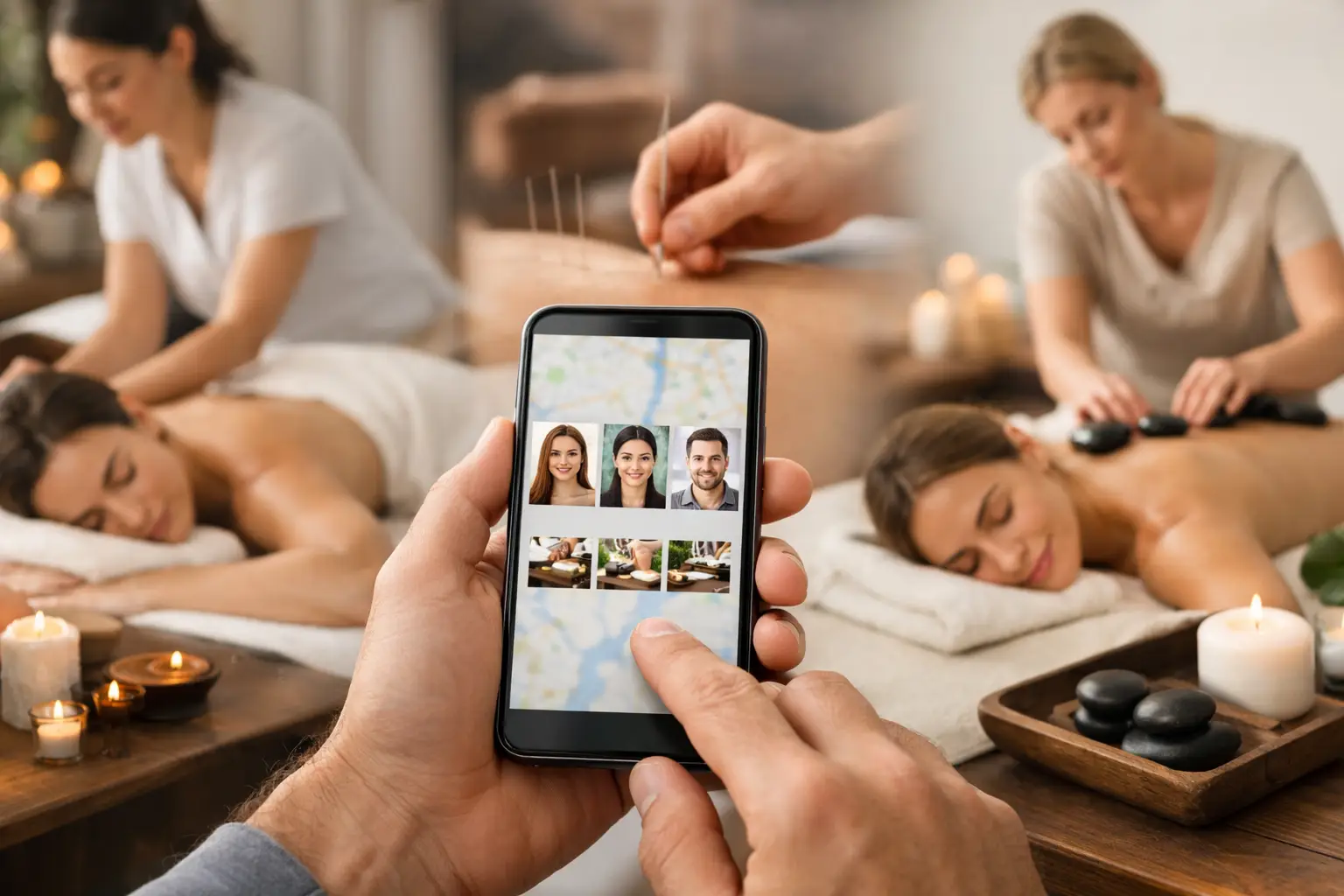
If you are comparing multiple providers, filtering by location, service type, and availability can make the process much easier. Instead of bouncing between random listings, it helps to use a specialized wellness marketplace where you can compare estheticians by area and treatment focus in one place. That is often the fastest way to move from search to short list without wasting time on providers who do not offer what you need.
This is especially useful if you want something specific, such as acne facials, anti-aging treatments, waxing, or estheticians working inside spas versus independent studios. A platform like MySpaList can help narrow local options quickly so you spend less time searching and more time reviewing the providers that actually fit.
Signs you may have found the right fit
The right esthetician usually feels clear before the appointment even starts. Their services make sense, communication is straightforward, the treatment matches your goals, and expectations are realistic. They do not promise instant transformation, and they do not leave you guessing about pricing or aftercare.
After the visit, your skin may not look perfect overnight, but you should feel informed about what was done, what to expect next, and whether follow-up makes sense. Good skincare is often a process, not a single appointment.
Choosing well is really about reducing mismatch. When the provider’s training, style, and services line up with your skin and your schedule, booking becomes much simpler. Start with your goal, compare the details that matter, and trust the esthetician who makes the process feel clear rather than complicated.