You might see lymphatic drainage listed next to deep tissue, Swedish, or prenatal massage and wonder whether it belongs in the same category. The short answer is yes – but it feels very different. If you are asking what is lymphatic drainage massage, it is a gentle, rhythmic technique designed to encourage the movement of lymph fluid through the body’s lymphatic system.
That matters because the lymphatic system helps move waste, excess fluid, and immune cells. Unlike blood, which is pumped by the heart, lymph relies on muscle movement, breathing, and normal body activity to circulate. When that movement slows or fluid builds up, some people experience swelling, heaviness, or discomfort. Lymphatic drainage massage is meant to support that flow with light, directional strokes rather than pressure-heavy bodywork.
What Is Lymphatic Drainage Massage and How Does It Work?
Lymphatic drainage massage is a specialized massage technique that uses slow, precise hand movements to stimulate lymph flow. A trained therapist typically works in a sequence, starting near lymph node areas such as the neck, underarms, or groin, then moving outward or from the extremities back toward those drainage points.
The pressure is usually much lighter than most people expect. This is not a massage where the goal is to work deeply into muscle knots. In fact, too much pressure can be counterproductive because lymph vessels sit close to the surface of the skin. The goal is to gently stretch the skin in a way that helps fluid move more efficiently.
For some clients, the biggest surprise is how subtle the session feels. You may not leave with that post-deep-tissue soreness or the sense that your muscles were intensely worked. Instead, the effects people report are often more about reduced puffiness, a lighter feeling in the limbs, or less tension related to swelling.
Why People Book Lymphatic Drainage Massage
People seek this modality for a few different reasons, and the right reason matters. Some book it because they want support with swelling after travel, long workdays, or sedentary routines. Others are looking for post-procedure care, recovery support, or relief from a heavy, congested feeling in the body.
There is also a cosmetic side to its popularity. Facial lymphatic drainage is often used to reduce temporary puffiness and support a more sculpted appearance. Body-focused sessions may be marketed for bloating or water retention. Those uses can be valid, but expectations should stay realistic. A massage can support fluid movement, but it is not the same thing as fat loss, and it is not a cure for an underlying medical issue.
For clients with diagnosed lymphedema or more significant swelling, lymphatic drainage may be part of a broader treatment plan. In those cases, training and clinical experience matter even more, because not every massage therapist is qualified to treat medically complex conditions.
Who May Benefit Most
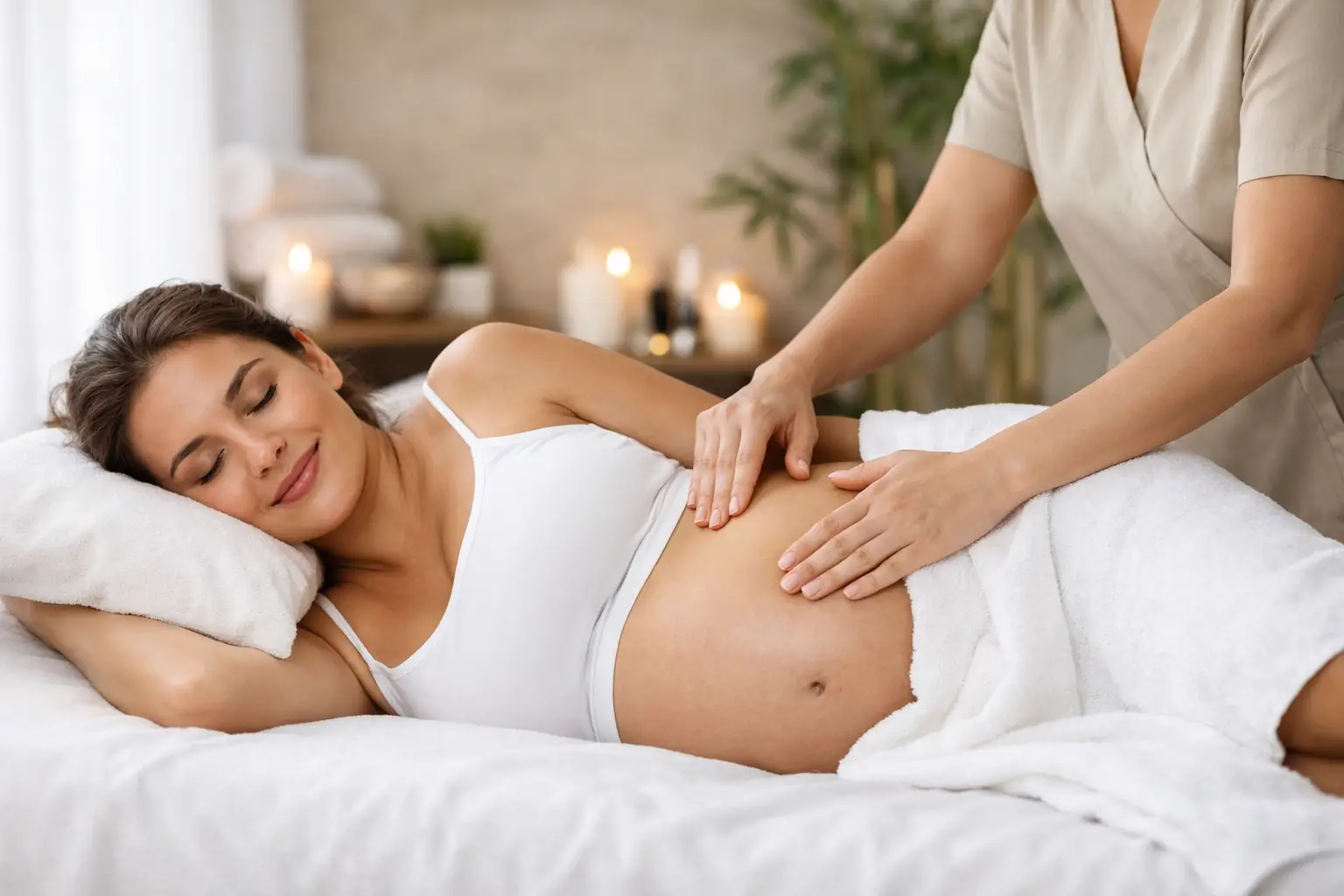
This service can be a good fit for people who want a lighter, recovery-oriented approach. Postnatal clients, people recovering from certain surgeries with physician clearance, frequent flyers, athletes during lower-intensity recovery periods, and anyone dealing with mild fluid retention may look for this type of massage.
It can also appeal to people who do not enjoy deep pressure. If traditional massage leaves you feeling overstimulated or sore, lymphatic drainage offers a very different experience. It is slower, quieter, and more specific.
That said, benefit depends on the reason you are booking. If your main issue is tight shoulders from computer work, a Swedish or therapeutic massage may make more sense. If you are dealing with visible swelling, post-op care needs, or a feeling of heaviness in the limbs, lymphatic drainage may be the more relevant service to search for.
What to Expect During a Session
A typical session starts with a quick health intake. The therapist should ask about swelling, surgeries, recent procedures, medications, and any medical conditions that could affect whether treatment is appropriate. This part is not just paperwork. With lymphatic work, safety screening is important.
During the massage, the therapist uses soft, repetitive motions in a specific order. Depending on your goals, the work may focus on the face, abdomen, legs, arms, or full body. Some sessions feel almost meditative because the pace is steady and the pressure stays light.
Afterward, some clients report needing to use the bathroom more often, noticing less puffiness, or feeling generally relaxed. Others feel only subtle changes at first. Results vary based on hydration, activity level, overall health, and whether the issue is temporary or ongoing.
If you are booking for post-op recovery, the approach may be more structured and tied to a care timeline. In that setting, you should always follow your surgeon’s instructions and confirm when massage is appropriate.
What Lymphatic Drainage Massage Is Not
This is where confusion happens. Lymphatic drainage massage is not deep tissue massage with a wellness-sounding name. It is not a detox shortcut, and it is not a replacement for medical care when swelling has an unknown cause.
You may also see dramatic claims online about flushing toxins, melting fat, or producing immediate body transformation. Be cautious with that language. The lymphatic system is real, and manual techniques can support fluid movement, but exaggerated promises are usually a red flag.
A more accurate way to think about it is this: it is a targeted, gentle technique that may help support the body’s natural fluid balance in the right circumstances. It works best when the provider is trained, the treatment goal is clear, and the client understands what the massage can and cannot do.
When to Be Careful
Lymphatic drainage is not for everyone. Certain health conditions may make it inappropriate, including some heart conditions, active infection, blood clots, kidney issues, or unexplained swelling. If swelling appears suddenly, is painful, or affects one side more than the other, that is a medical question first, not a spa question.
This is also why provider selection matters. If you want a relaxation-focused facial or body session, many skilled massage therapists or estheticians may offer a lighter lymphatic-inspired treatment. If you need support after surgery or for diagnosed lymphedema, look for someone with specific training in manual lymphatic drainage and post-op care.
Experience level matters because technique, timing, and contraindications are part of the service. The lighter touch can make it look simple, but proper lymphatic work is highly intentional.
How to Find the Right Therapist for Lymphatic Drainage Massage
When browsing providers, look beyond the service name alone. A strong listing should make it clear whether the therapist offers general wellness-focused lymphatic drainage, facial lymphatic massage, post-op lymphatic massage, or treatment for more specialized concerns.
It helps to check whether the provider mentions training, target clients, and session type. If you are comparing local options, a few practical questions can save time: Do they work with post-surgical clients? Is the session full body or area-specific? Do they require medical clearance? How many sessions do they typically recommend for your goal?
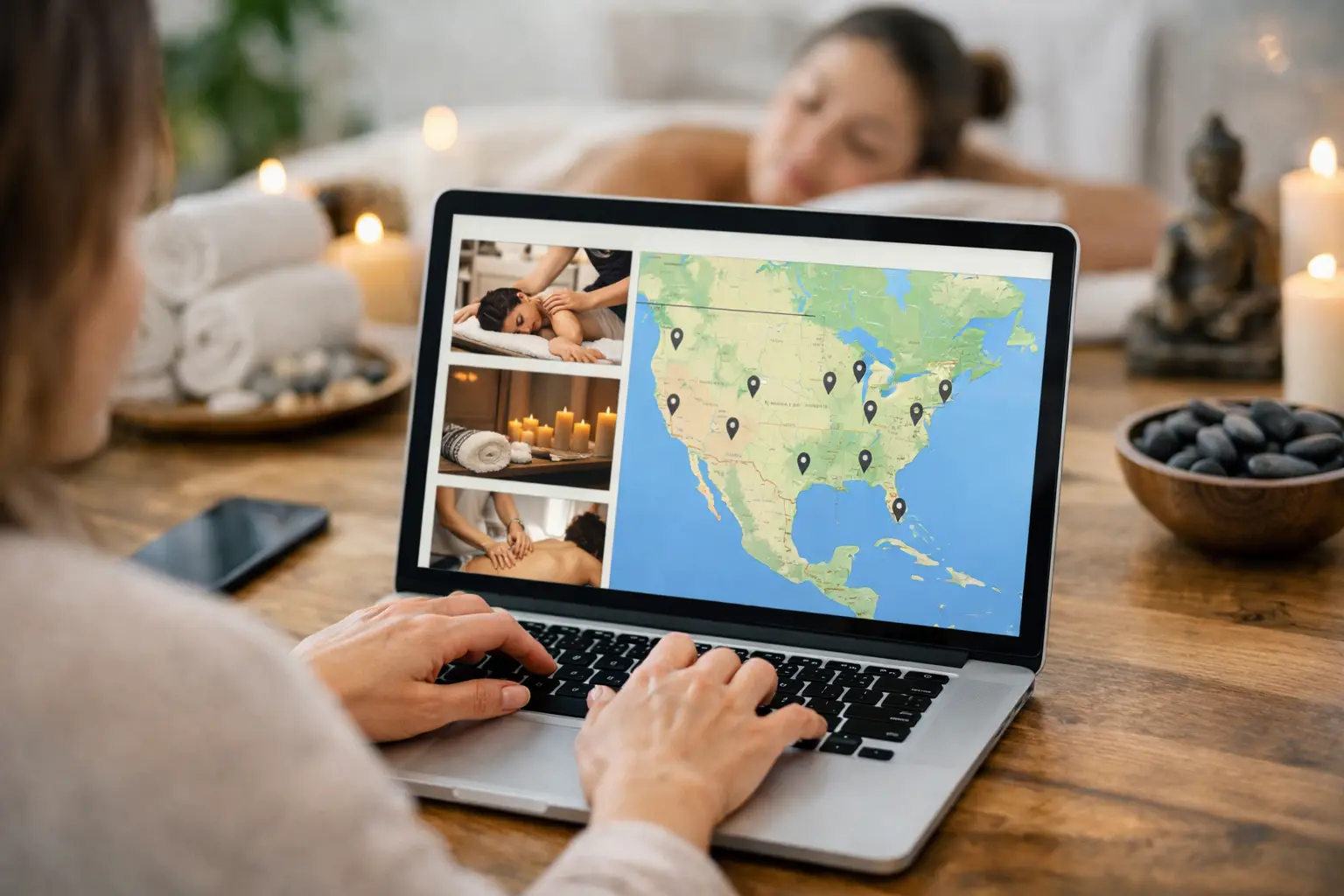
This is where a focused wellness marketplace can make the search easier. Instead of sorting through generic spa menus, you can look for therapists by service type, location, and specialty, which is useful when you know you need lymphatic drainage rather than a standard massage.
Is It Worth Trying?
If your goal is general relaxation, there may be other massages that feel more satisfying right away. If your goal is reducing mild puffiness, supporting recovery, or finding a gentle modality that fits a specific concern, lymphatic drainage can be worth trying.
The main thing is matching the service to the need. This is not the best pick for every body issue, and that is fine. Good wellness decisions are usually less about chasing trends and more about choosing the modality that fits what is actually going on.
For many clients, the value is in precision. Lymphatic drainage massage is not intense, flashy, or dramatic. It is gentle work with a specific purpose. If that purpose matches your needs, finding a trained local provider is the next practical step.