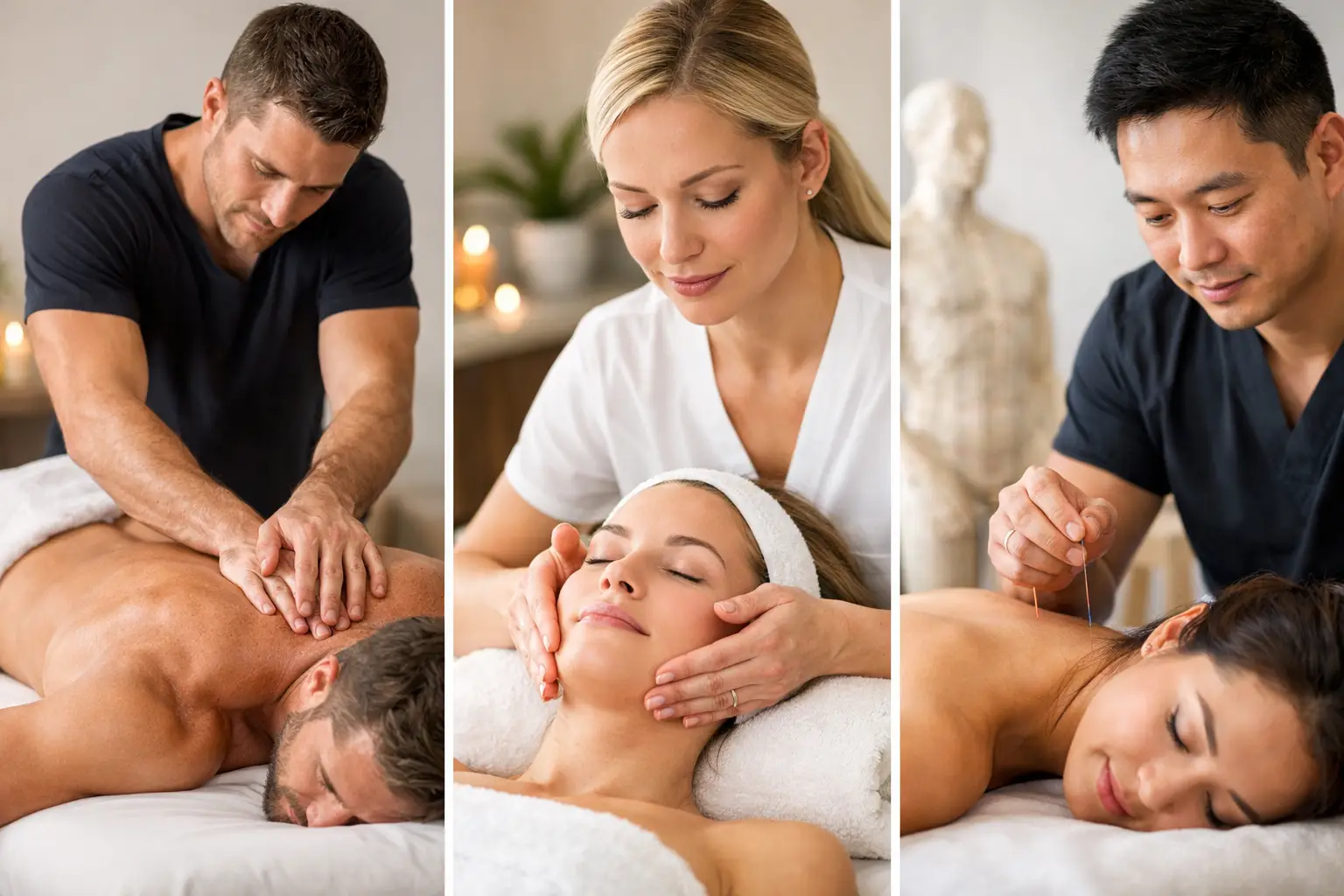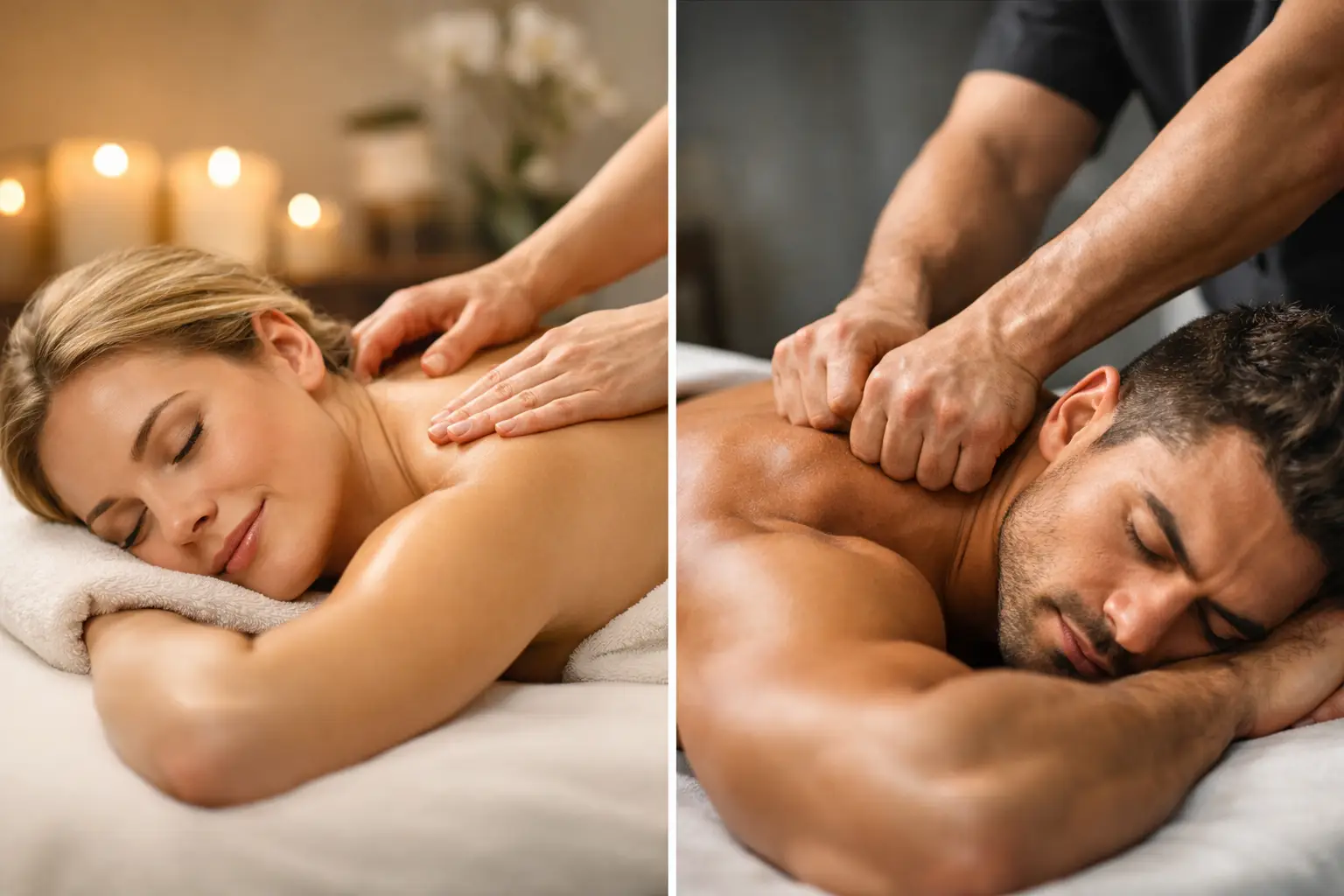
A lot of massage bookings start with one simple question: swedish massage vs deep tissue – which one should you actually choose? If you are staring at a service menu and both options sound useful, the right pick usually comes down to your pressure preference, your pain level, and what you want to feel like when the session is over.
Some people want to leave a massage table relaxed, sleepy, and lighter through the shoulders. Others want focused work on stubborn knots, post-workout tightness, or chronic tension that has been building for months. Both massages can help, but they are not interchangeable.
Swedish massage vs deep tissue: the main difference
The biggest difference is pressure and intent. Swedish massage is generally designed for relaxation, circulation, and overall stress relief. Deep tissue massage uses slower, firmer techniques to address deeper muscle tension and more specific problem areas.
That does not mean Swedish massage is always light or that deep tissue has to be painful. A skilled therapist can adjust either service to your comfort level. Still, if you want a broad full-body massage that feels calming, Swedish is usually the starting point. If you want more targeted muscle work, deep tissue is usually the better match.
Another way to think about it: Swedish massage is often the best fit when your goal is to feel better overall. Deep tissue is often the better fit when your goal is to work on a specific issue.
What a Swedish massage usually feels like
Swedish massage tends to use long gliding strokes, kneading, circular movements, and gentler pressure. The pace is often smooth and steady. Many people book it when they are mentally stressed, physically tired, or just overdue for downtime.
If your body feels generally tense but not sharply painful, Swedish massage can be enough to make a noticeable difference. It may loosen the upper back, calm the nervous system, and help you feel more rested without leaving you sore the next day.
This is often the most approachable option for first-time clients. If you are unsure how your body responds to massage, or you know you do not enjoy intense pressure, Swedish is usually a safe place to start.
Best reasons to book Swedish massage
Swedish massage makes sense when stress is the main issue, when you want moderate pressure instead of heavy work, or when you want a full-body session that feels restorative. It is also a common choice for people who sit all day, carry mild shoulder and neck tension, or simply want regular wellness maintenance.
For many busy professionals, this is the massage that fits into a normal routine. You can book it after a long week and still go on with your evening without feeling like your muscles were put through a workout.
What a deep tissue massage usually feels like
Deep tissue massage is more focused. Therapists often use slower strokes and sustained pressure to work into deeper layers of muscle and connective tissue. Sessions may concentrate on a few problem areas instead of treating the whole body with the same level of attention.
If you have a recurring knot between the shoulder blades, lower back tightness from training, or tension that keeps coming back no matter how much you stretch, deep tissue may be the better option. It is often chosen by athletes, active adults, and people dealing with chronic muscle tightness.
The pressure is usually firmer, but firmer does not automatically mean better. Good deep tissue work should feel intense and productive, not like you are bracing against pain the entire time. If you cannot breathe normally or your muscles start guarding, the pressure is probably too much.
Best reasons to book deep tissue massage
Deep tissue is often a better fit when you want focused relief, not just relaxation. It can be helpful for persistent tension patterns, limited mobility linked to muscle tightness, recovery from physical activity, or areas that feel dense and hard to release.
That said, it may leave you feeling tender afterward, especially if it has been a while since your last massage. Some people love that feeling because it signals that real work was done. Others find it too intense for a weekday appointment.
Swedish massage vs deep tissue for pain, stress, and recovery
If your main issue is stress, Swedish massage usually wins. It is more likely to help you slow down, relax, and reset. If your main issue is muscle pain or stubborn tension, deep tissue may be more effective.
For general body maintenance, Swedish is often enough. For specific recovery goals, deep tissue tends to be more useful. But there is overlap. Someone with stress-related shoulder tension might benefit from Swedish massage with a little extra focus on the neck and upper back. Someone booking deep tissue for tight hamstrings may still want the overall session to feel calming.
This is why the best massage is not just about the label on the menu. It is about matching the service to your goal and clearly communicating with the therapist.
Which massage hurts more?
Deep tissue usually feels more intense. That is expected. But there is a difference between therapeutic intensity and pain that makes you tense up.
Swedish massage should not hurt. At most, you may feel mild tenderness in tight areas. Deep tissue can cause temporary soreness, especially in heavily worked muscles, but the session should still stay within your tolerance.
A common mistake is assuming that the deepest pressure gets the best result. In practice, too much pressure can make muscles resist the work. The better approach is controlled pressure that feels effective without pushing your body into defense mode.
Who should choose Swedish massage first?
Swedish massage is often the smarter first booking if you are new to massage, sensitive to pressure, highly stressed, pregnant and cleared for prenatal-specific treatment, or simply looking for a calmer experience. It is also a good option if your tension is widespread instead of concentrated in one area.
Many people think they need deep tissue because they feel tight. Sometimes they really need a therapist who can help the body relax enough to let go of that tension. That is not the same thing as using maximum pressure.
If your body tends to feel overstimulated, or if you want a massage that supports sleep and stress relief, Swedish is usually the easier fit.
Who should choose deep tissue first?
Deep tissue is often the better first booking if you already know you like firm pressure, have chronic tightness in specific muscles, train regularly, or want more corrective bodywork. It can also make sense if previous lighter massages felt good in the moment but did not do much for the issue you wanted to address.
Still, deep tissue is not ideal for every situation. If you are dealing with acute injury, significant inflammation, certain medical conditions, or extreme tenderness, a different modality or a gentler approach may be more appropriate. When in doubt, ask before booking.
How to choose the right service on a provider listing
When comparing local therapists, do not stop at the service name alone. Read how the provider describes pressure, technique, and session focus. One therapist’s deep tissue may be highly clinical and targeted. Another’s may blend deep work into a more relaxing full-body massage.
It also helps to look for providers who clearly list related modalities such as sports massage, prenatal massage, myofascial release, or lymphatic drainage. If your needs are specific, those service details matter. A broad relaxation goal is different from post-run recovery or low back tension from desk work.
This is where a search tool like MySpaList can save time. Instead of checking random listings one by one, you can compare independent massage therapists and spas by service type, location, and other filters that actually matter when you are trying to book the right fit.
What to tell your massage therapist before the session
A quick conversation before your appointment can make either massage more effective. Tell the therapist where you feel tension, how much pressure you prefer, whether you want full-body relaxation or focused work, and if you have any injuries or health concerns.
If you book Swedish massage but want more attention on your shoulders, say so. If you book deep tissue but know you do not want extreme pressure, say that too. Clear communication is often the difference between a massage that was decent and one you would book again.
So which one is better?
Neither is better across the board. Swedish massage is better for many people seeking stress relief, relaxation, and general tension reduction. Deep tissue is better for many people dealing with chronic tightness, athletic recovery, or a few specific areas that need more focused work.
If you are between the two, think about your goal for the next 24 hours. Do you want to feel calm, reset, and lightly loosened up? Book Swedish. Do you want to work on a stubborn issue and do not mind a more intense session? Book deep tissue.
The most useful choice is the one that matches your body right now, not the one that sounds toughest on the menu. Start there, and your next massage is much more likely to feel worth it.