You do not need to know every massage term before booking. If you are trying to figure out how to choose massage modality, the fastest way is to start with your goal, not the menu. Most people are not choosing between Swedish, deep tissue, or Thai in a vacuum. They are trying to sleep better, loosen a tight neck, recover after training, manage pregnancy discomfort, or finally address stress that is sitting in their shoulders all day.
That shift matters because massage modalities are tools. The right one depends on what you want the session to do, how much pressure you like, and whether you want relaxation, targeted bodywork, or something in between. Once you frame it that way, the choices get much easier.
How to choose massage modality by your goal
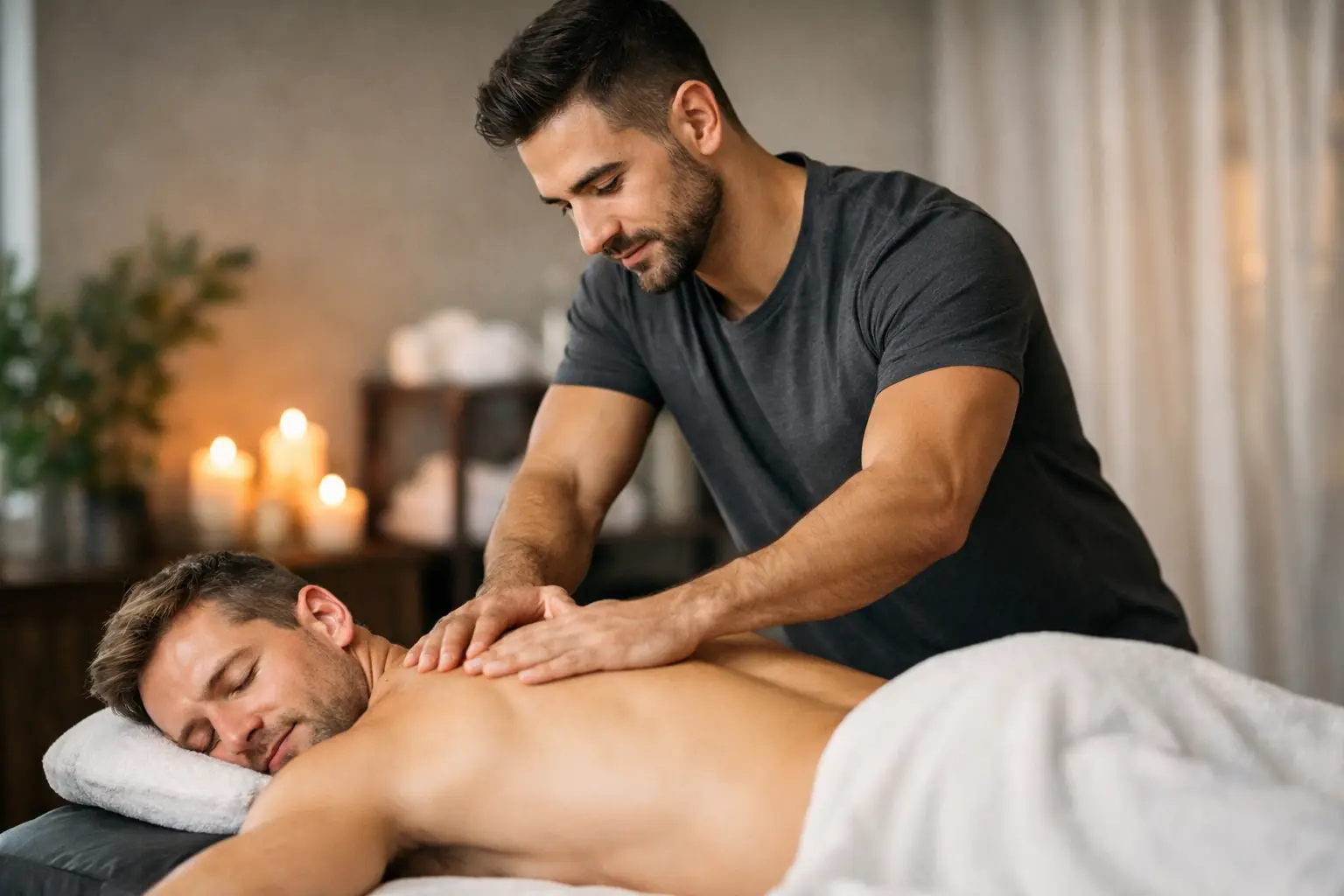
If your main goal is to relax, calm your nervous system, or ease general muscle tension, Swedish massage is often the easiest place to start. It tends to use lighter to moderate pressure and long, flowing strokes. For first-time clients, it is usually the least intimidating option and a solid fit when you want to leave feeling rested rather than worked over.
If you have a specific area that feels stubborn, such as upper back knots, tight hips, or chronic shoulder tension, deep tissue may make more sense. This modality usually applies slower, more focused pressure to deeper muscle layers. It can be effective, but it is not always the best choice just because something hurts. If your body is already inflamed or sensitive, too much pressure can backfire.
For athletes and active adults, sports massage is often the better match when the issue is performance, training load, or recovery. It is less about a spa-style reset and more about function. Depending on the therapist, it may include stretching, compression, and work tailored to movement patterns or overused muscle groups.
If swelling, post-surgical recovery, or a heavy, congested feeling is part of the picture, lymphatic drainage is a different category entirely. It is typically very light, rhythmic work designed to support lymph flow rather than dig into muscle tissue. People sometimes avoid it because they assume light pressure means less effective treatment, but for the right concern, that assumption misses the point.
Prenatal massage is its own lane. If you are pregnant, do not treat massage as a standard session with a note added at booking. Prenatal-trained therapists adjust positioning, pressure, and techniques to account for changing comfort and safety needs. The goal is often relief for the low back, hips, legs, and general physical fatigue, not intense corrective work.
Thai massage is often the right fit when you want mobility as much as relaxation. It usually involves assisted stretching and more movement than a traditional table massage. Some people love that interactive feel. Others want a quieter, less active experience. Neither preference is wrong, but they lead to different bookings.
Reflexology can appeal to clients who want a focused session centered on the feet, and sometimes the hands or ears, rather than full-body muscle work. It is a niche choice, but for clients who are on their feet all day or simply do not want a standard massage format, it can be a strong option.
Pressure is not the same as effectiveness
One of the biggest mistakes people make when deciding how to choose massage modality is assuming deeper pressure equals better results. That is not always true. Effective massage should match your body, your goal, and your tolerance.
If you are stressed, sleep-deprived, new to massage, or already feeling physically run down, moderate pressure may help more than aggressive work. Your muscles do not always need to be forced to release. Sometimes they respond better when the body feels safe enough to let go.
On the other hand, if you regularly get bodywork and know that targeted pressure helps with long-standing tension, a deeper session may be exactly right. The key is being honest about what your body responds to, not booking based on what sounds toughest or most advanced.
A good rule is simple: if your main concern is relaxation, go lighter. If your main concern is a specific muscular issue and you tolerate pressure well, go more targeted. If you are unsure, book a therapist who offers customized massage rather than locking yourself into a modality you may not actually want.
Match the modality to the problem, not the trend
Massage terms get passed around a lot, and not all of them are helpful for everyday booking decisions. A modality can be popular without being right for you.
Hot stone massage, for example, may be a great fit when warmth helps you relax and loosen up, especially if you tend to feel cold or guarded during treatment. But if you want detailed corrective work on a specific injury pattern, stones may not be the point.
Myofascial release can be useful for clients dealing with stiffness, restricted movement, or tissue tension that feels broader than a single knot. It often involves slower, sustained techniques and may feel more subtle than people expect. That does not make it less therapeutic. It just means results may come from tissue change and mobility gains rather than the feeling of intense pressure.
This is where service descriptions matter. Look past the label and focus on what the therapist says the session is designed to address. Two providers may both list deep tissue, but one may specialize in injury-focused work while another blends deep pressure into a more general therapeutic massage.
Questions to ask before you book
The right massage modality is only part of the decision. The therapist’s approach matters just as much.
Before booking, check whether the provider treats clients with concerns like yours. If you need prenatal massage, sports recovery, lymphatic drainage, or a therapist comfortable working on chronic neck tension, that experience matters more than a broad service menu.
It also helps to confirm practical details. Ask whether the session is fully customized, whether they adjust pressure during treatment, and whether they have experience with your stage of pregnancy, fitness level, or recovery needs. If therapist gender matters for comfort, filter for that early instead of making it an afterthought.
For many clients, convenience affects follow-through. A great modality is less useful if the provider is too far away, hard to schedule with, or unclear about what they offer. This is why local search tools are so useful. Instead of bouncing between scattered listings, you can compare nearby therapists by modality, location, and service focus in one place.
How to choose massage modality if you are new to massage
If this is your first massage, keep it simple. You do not need to impress anyone with the most specialized option on the menu.
Start with Swedish massage or a customized therapeutic massage unless you have a very clear reason to choose something else. Those sessions give you a chance to learn how your body responds to touch, pressure, pace, and therapist communication. After one or two appointments, you will have a much better sense of whether you want deeper work, more stretching, prenatal-specific support, or a modality focused on recovery.
The same applies if you have had massages before but never felt sure they helped. The issue may not be massage itself. It may be that you kept booking the wrong style for your actual needs.
When your needs overlap
A lot of people do not fit neatly into one category. You might want stress relief and shoulder pain treatment. You might be training hard and also carrying general burnout. You might be pregnant and still dealing with old hip tension from before pregnancy.
That is normal. In those cases, look for a therapist who can blend techniques rather than sticking rigidly to one modality. Many experienced practitioners use the listed service as a starting point, then tailor the session to what shows up in your body that day.
This is also where a specialized local marketplace can save time. On MySpaList, users can narrow options by specific modalities such as prenatal massage, deep tissue massage, lymphatic drainage, Thai massage, or reflexology, then compare nearby providers who match those needs. That makes it easier to move from uncertainty to a real booking without sorting through unrelated listings.
What your body is telling you
If you are deciding how to choose massage modality, pay attention to what the discomfort actually feels like. Dull all-over tension often points toward relaxation-focused work. Sharp or specific tightness may call for targeted therapeutic massage. Heaviness or swelling is different from muscle pain. Limited range of motion is different from mental stress. Pregnancy discomfort is different from post-workout soreness.
You do not need perfect language to explain any of this. You just need enough clarity to book the right category and communicate your main goal. A good therapist can take it from there.
The best choice is usually not the most intense or the most expensive. It is the one that fits your body, your comfort level, and the reason you are booking in the first place. When the modality matches the need, finding the right local provider becomes much more straightforward.