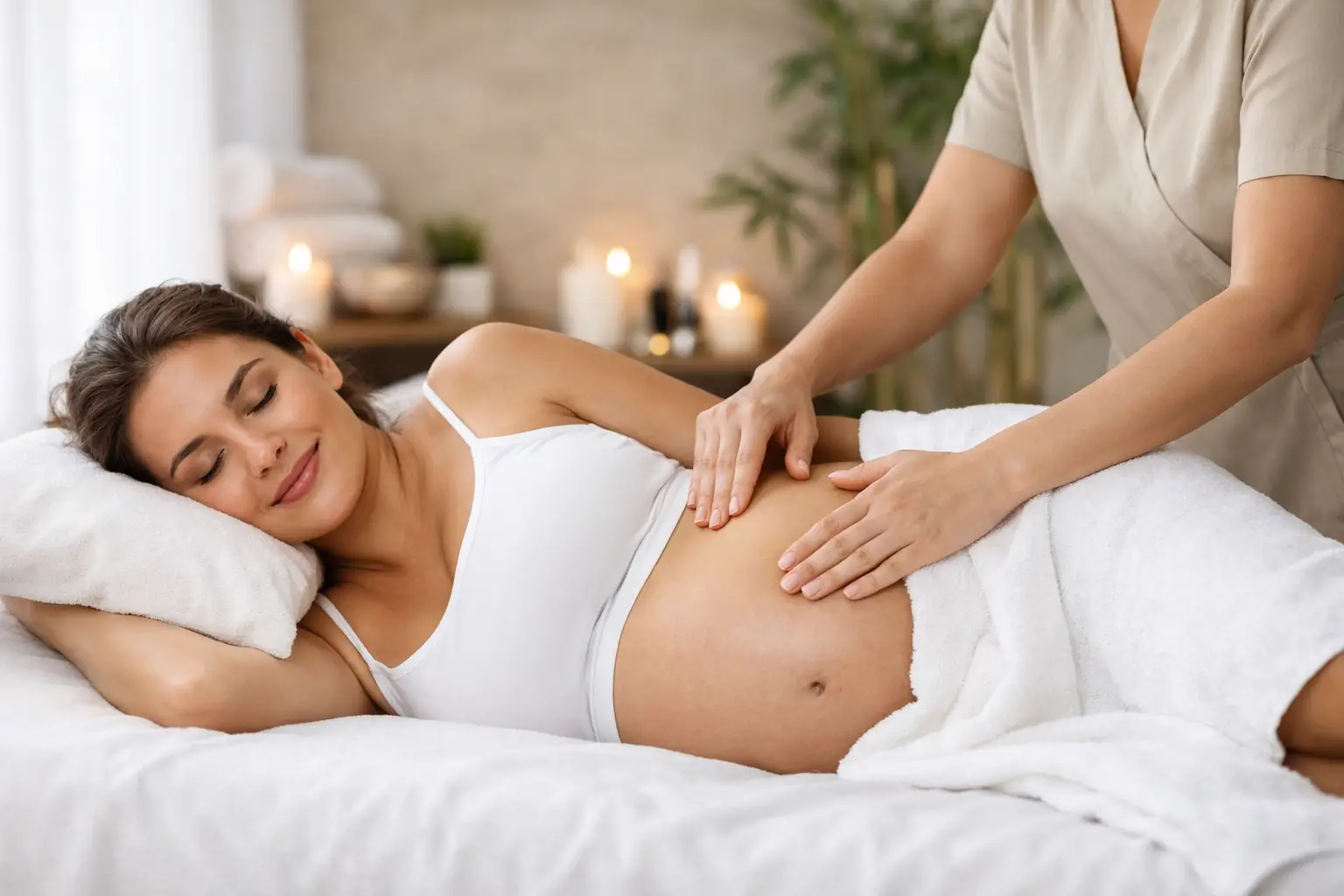
Pregnancy can make a regular massage search feel more complicated fast. If you are trying to figure out how to find prenatal massage, the goal is not just finding any massage therapist nearby. You need someone who offers prenatal massage specifically, understands pregnancy-related positioning, and works in a setting that feels safe and comfortable.
That usually means narrowing your search by service type first, then looking closely at each provider’s experience, setup, and communication. A therapist might be excellent at deep tissue or sports massage and still not be the right fit for prenatal work. The details matter here.
How to find prenatal massage without wasting time
The fastest way to search is to start with platforms or directories that let you filter by massage type and location. General search results can mix together spas, chiropractors, salons, and therapists who mention pregnancy somewhere on their site without clearly offering prenatal sessions as a core service.
A better approach is to look for providers under prenatal massage as a dedicated category, then narrow by city, neighborhood, or ZIP code. If therapist gender, business type, or spa setting matters to you, use those filters early. It saves time and gives you a cleaner list to compare.
Once you have a short list, read service menus carefully. You want to see prenatal massage named directly, not implied through broad language like therapeutic massage or custom bodywork. If the listing mentions stages of pregnancy, side-lying massage, body cushions, or pregnancy-trained therapists, that is usually a good sign the provider offers the service regularly rather than occasionally.
What to check before you book
Finding a nearby provider is only the first step. The next step is making sure the therapist is actually equipped for prenatal clients.
Look for prenatal-specific experience
Not every licensed massage therapist works with pregnant clients. Some avoid it entirely. Others take only second- and third-trimester clients. Some see prenatal massage as a routine part of their practice and have proper positioning equipment, intake procedures, and session modifications already built in.
Check whether the provider mentions prenatal training, pregnancy massage experience, or regular prenatal clientele. You do not need a long essay from them, but you do want clear evidence that this is a service they know how to deliver.
Confirm pregnancy-safe positioning
A prenatal massage should not look exactly like a standard table massage. Positioning matters because comfort and circulation change throughout pregnancy. Many therapists use side-lying positioning with pillows and bolsters. Some use specialty cushions, though those are not always the best fit for every client or every stage of pregnancy.
If the listing or booking page does not explain this, ask. A simple question about how they position prenatal clients can tell you a lot about their experience level.
Check stage-of-pregnancy policies
Some providers only accept clients after the first trimester. Others require a doctor’s note in certain situations or avoid high-risk pregnancies. That does not automatically mean a therapist is better or worse. It means they have a policy, and you need to know whether it fits your situation.
If you are early in pregnancy, have complications, are carrying multiples, or have been put on activity restrictions, ask for clarity before booking. A good provider will answer directly instead of giving vague reassurance.
Compare the setting, not just the therapist
Prenatal massage is not only about technique. The environment affects the experience more than many people expect.
A spa may offer a more polished, quiet setting with added amenities, while an independent therapist may provide a more customized therapeutic session. Neither option is automatically better. It depends on what you need. If your priority is stress relief and comfort, the spa atmosphere may matter more. If you are dealing with hip tension, lower back discomfort, or sleep-related soreness, a therapist with a more clinical or bodywork-focused style may be a better match.
It also helps to check practical details that become more important during pregnancy: parking, elevator access, restroom availability, table comfort, room temperature, and how easy it is to get in and out without feeling rushed.
How to read prenatal massage listings and reviews
A listing can tell you what a provider offers. Reviews can tell you how that service actually feels.
Look for comments from pregnant or postnatal clients that mention comfort, professionalism, communication, and physical relief. The best reviews are often specific. They mention things like proper pillow support, pressure adjustments, or how relaxed and cared for the client felt during the session.
Be careful with overly generic praise. “Amazing massage” is nice, but it does not tell you whether the therapist understands prenatal care. A few detailed reviews from clients in similar circumstances are usually more useful than dozens of broad five-star comments.
Also watch for signs that the provider listens well. During pregnancy, pressure tolerance can vary week to week. A therapist who checks in, adapts, and explains what they are doing is often a better fit than one with a more fixed routine.
Questions worth asking before your first session
If you are between two or three providers, a short message or call can help you decide quickly. You do not need an interview. You just need the answers that affect safety and comfort.
Ask whether they regularly perform prenatal massage, what stage of pregnancy they accept, how they position clients, and whether they have experience with common pregnancy discomforts such as lower back tension, hip tightness, or swelling. If you have specific concerns, bring those up too.
This is also the time to ask about session length. A 60-minute prenatal massage works well for many people, but some clients prefer shorter sessions if lying in one position becomes uncomfortable. Others want a longer appointment with more time for adjustments and slower pacing. There is no single right answer.
When price should and should not guide your choice
Price matters, but it should not be the first filter for prenatal massage.
A lower-priced session may be a great value if the therapist is experienced and the setup is solid. A higher-priced spa treatment may be worth it if comfort, amenities, and convenience are top priorities. What you do not want is to choose based on cost alone and end up with a provider who rarely works with pregnant clients.
Instead, compare price alongside experience, location, reviews, and service details. If one provider costs a little more but clearly specializes in prenatal work, has strong reviews from pregnant clients, and is closer to home, that may be the better booking.
How to find prenatal massage locally with better filters
Local search works best when you search with intent, not just broad terms. Instead of jumping between random listings, use a wellness directory that is built around specific services and geography. That makes it easier to compare independent therapists and spas in one place, especially if you want to search by prenatal massage, city, and therapist preferences at the same time.
For example, a platform like MySpaList helps narrow your options by service type and local area first, which is useful when you do not want to sort through unrelated businesses. For a category like prenatal massage, that kind of filtering is often the difference between finding a real fit in minutes and spending an hour opening tabs.
Red flags to take seriously
Some issues are small. Others are reasons to move on.
Be cautious if a provider does not clearly confirm they offer prenatal massage, seems unsure about positioning, cannot explain pregnancy-related policies, or brushes off your questions. You should also pause if the business environment seems physically inconvenient for pregnancy and they do not offer any practical accommodations.
Another red flag is a service menu that throws prenatal massage into a long list of treatments without any supporting detail. That does not always mean the service is poor, but it does mean you should ask more questions before booking.
Booking the right first appointment
Your first prenatal massage does not need to be perfect. It just needs to be with someone qualified, clear, and easy to communicate with.
Choose the provider who makes the process simple: clear service listing, straightforward answers, relevant experience, and a location that works for your routine. If you are deciding between convenience and specialization, specialization usually wins for the first appointment. Once you know what kind of prenatal massage experience feels best for you, future bookings get much easier.
The right provider should leave you feeling supported before the session even starts. That is usually the clearest sign you found the right place to book.