You do not need to know massage terminology before booking an appointment, but it helps. The most popular massage modalities each serve a different purpose, and knowing the basics can save time when you are comparing local therapists, spa menus, and treatment options.
Some modalities are built for stress relief. Others target pain, athletic recovery, swelling, or pregnancy-related discomfort. The right choice depends on what your body needs now, not which service name sounds most familiar. That is why understanding the differences matters, especially if you are trying to book quickly and want a treatment that matches your goal the first time.
What the most popular massage modalities are designed to do
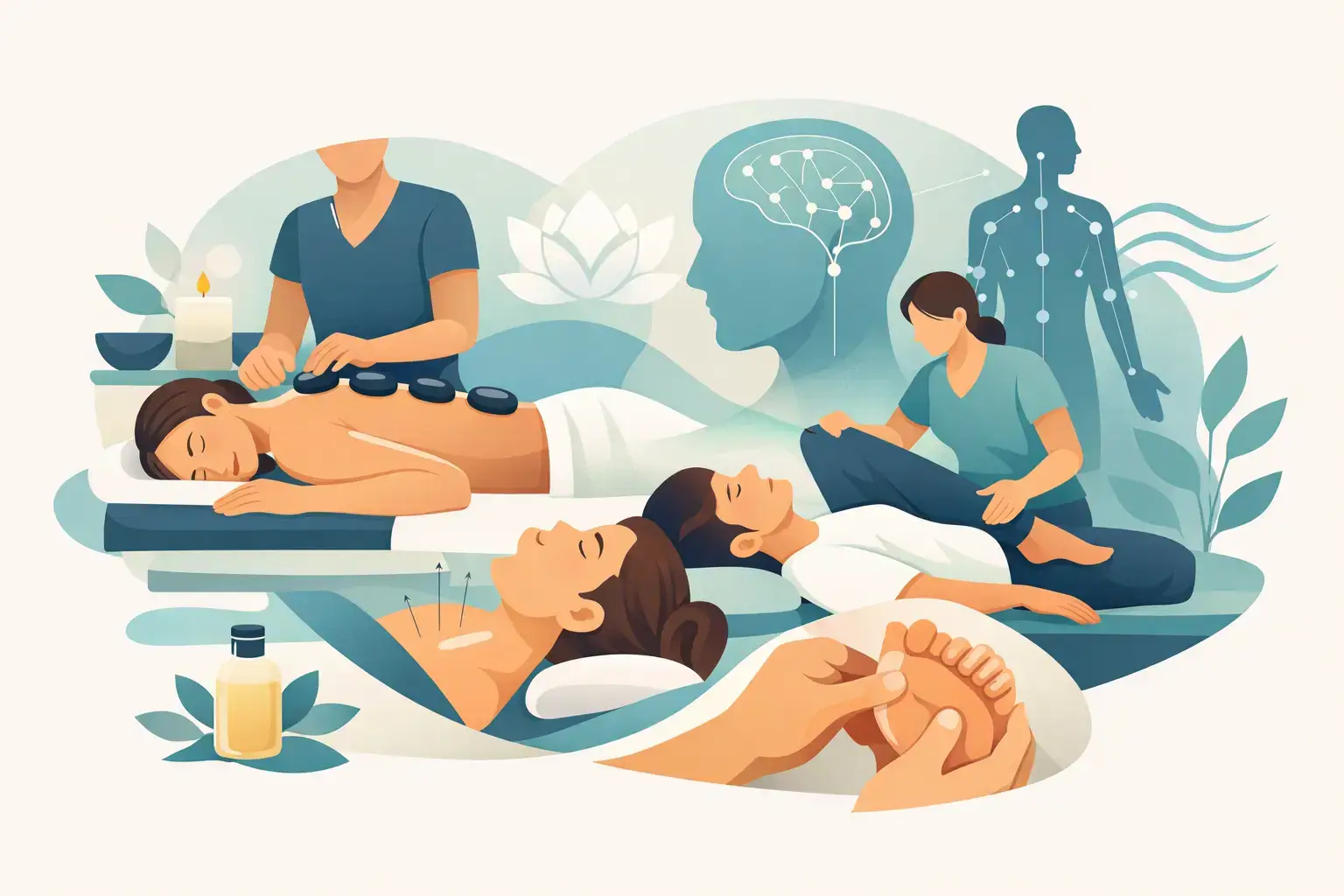
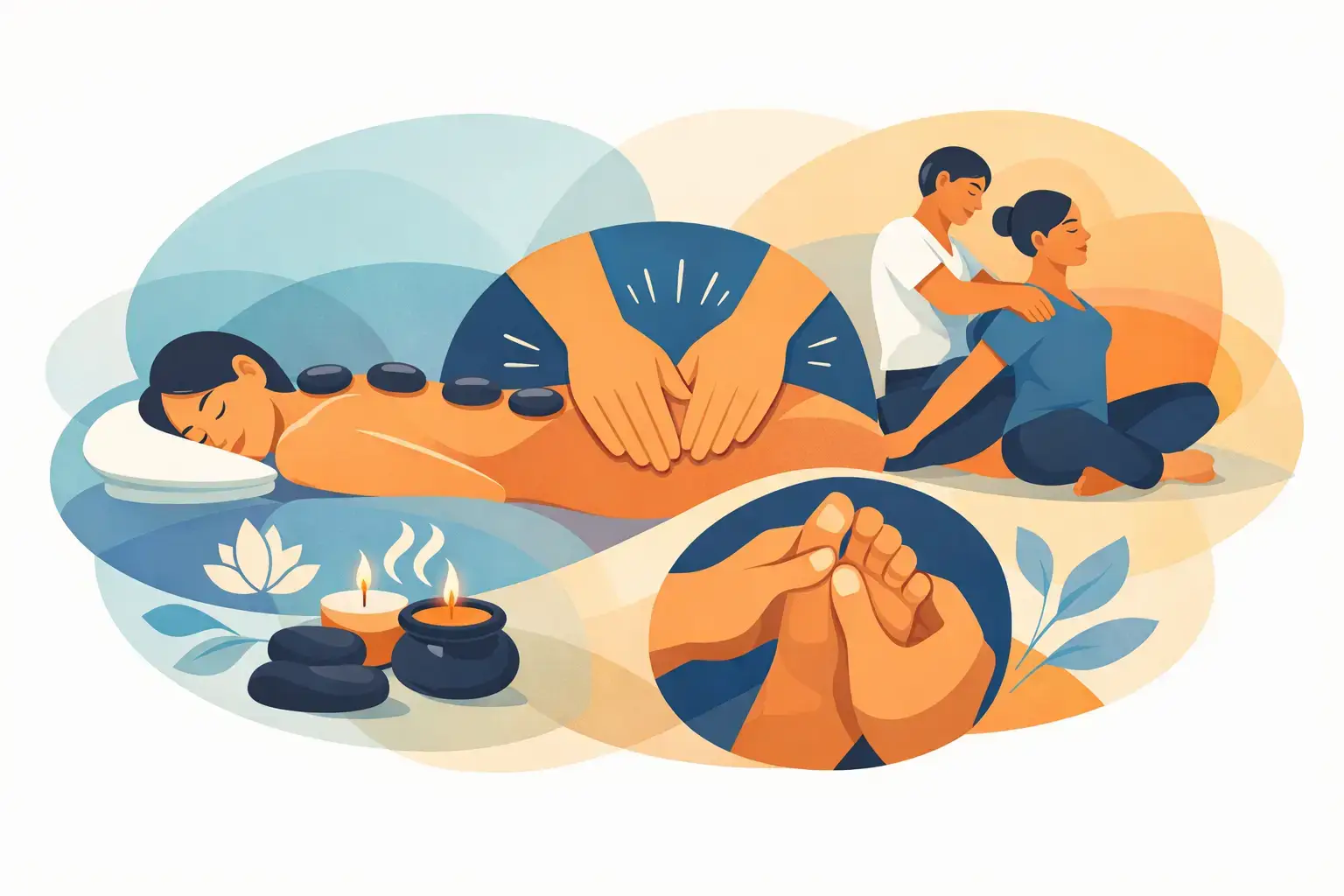
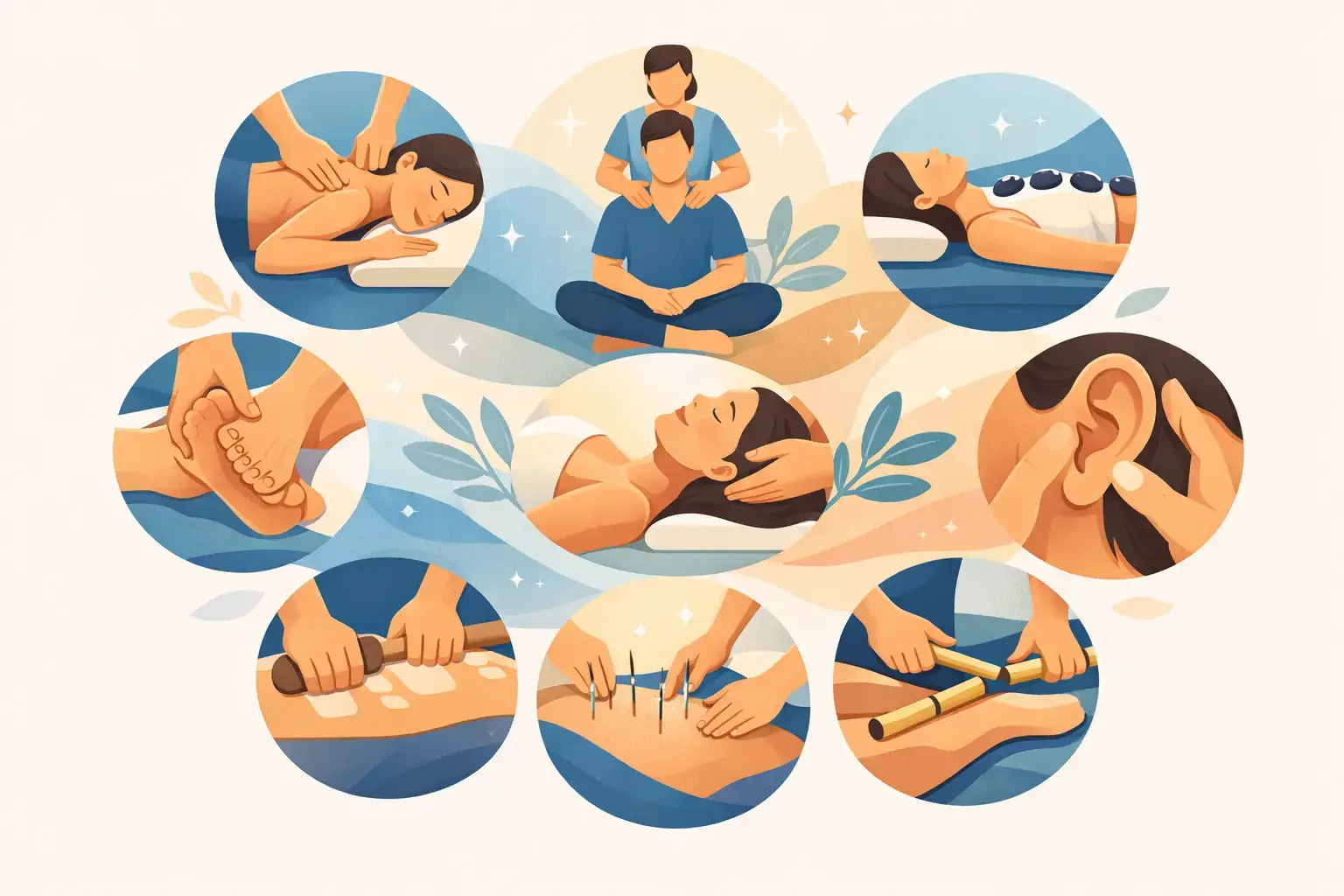
Massage is not one single service category. It is a group of techniques with different pressure levels, movement styles, and treatment goals. A Swedish massage is usually chosen for relaxation and general tension relief. A deep tissue session may focus more on stubborn tightness and limited mobility. Reflexology works through pressure points in the feet or hands, while Thai massage often includes assisted stretching and more movement than a standard table massage.
This is where many people get stuck. Two providers may both offer massage, but their service menus can mean very different experiences. If you are dealing with neck tension from desk work, recovering after a race, looking for prenatal comfort, or trying to reduce post-surgical swelling, the best fit may not be the same modality your friend books every month.
1. Swedish massage
Swedish massage is one of the most commonly booked treatments in the US, especially for first-time clients. It usually uses long, gliding strokes with light to moderate pressure to support relaxation, circulation, and overall muscle ease.
This is often the best starting point if you want a full-body massage and are not looking for highly targeted therapeutic work. It is also a practical choice for people who feel generally tense but do not want intense pressure. If your main goal is to relax, reset, and leave feeling less physically wound up, Swedish massage is often the safest bet.
The trade-off is that it may not be enough for chronic knots or deeper restrictions. Some people book Swedish expecting pain relief for a very specific issue, then realize they needed a more focused modality.
2. Deep tissue massage
Deep tissue massage is one of the most requested options for people with persistent muscle tightness, postural strain, and problem areas that have not improved with lighter work. It usually involves slower strokes, firmer pressure, and attention to deeper muscle layers.
This modality is popular with office workers, active adults, and anyone carrying tension in the shoulders, back, hips, or legs. It can be useful when you want a therapist to work into a specific area instead of simply providing a relaxing session.
Still, deeper is not always better. Deep tissue can leave you sore afterward, and if the pressure is too aggressive for your body, it may make you guard instead of release. A good therapist adjusts pressure based on your pain tolerance, health history, and the condition being treated.
3. Sports massage
Sports massage is not just for competitive athletes. It is widely used by runners, gym-goers, cyclists, and people with physically demanding routines. The focus is often on performance, recovery, mobility, and repetitive-use tension.
A sports massage may include targeted muscle work, stretching, and treatment aimed at the body regions used most in your activity. Someone training for an event may book before competition for mobility and after competition for recovery. Others use it more routinely to stay ahead of overuse issues.
Compared with Swedish massage, sports massage is usually more goal-based. Compared with deep tissue, it may be more movement-oriented and tied to how you use your body. If you want bodywork that connects directly to exercise, recovery, or training load, this is often the better fit.
4. Prenatal massage
Prenatal massage is designed for pregnant clients and is one of the most searched service types for a reason. Pregnancy changes posture, circulation, sleep, and muscle load. That can lead to back pain, hip discomfort, swollen legs, and general physical fatigue.
A qualified prenatal massage therapist uses positioning and techniques intended for pregnancy comfort and safety. The experience is usually gentler than some therapeutic modalities, though the exact pressure and focus can vary based on the client and stage of pregnancy.
This is one service where specialization really matters. Not every massage therapist offers prenatal work, and not every spa menu explains the difference clearly. If you are searching locally, it helps to filter specifically for prenatal massage instead of assuming any therapist can provide it.
5. Lymphatic drainage massage
Lymphatic drainage massage has become more visible in recent years, especially among clients dealing with swelling, fluid retention, recovery support, or post-procedure care. This modality uses light, rhythmic techniques intended to encourage lymph flow.
What surprises many first-time clients is how gentle it feels. If you expect the pressure of deep tissue, lymphatic drainage can seem almost too light. But its purpose is different. It is not meant to dig into muscles or work out knots.
Because this modality is often tied to specific health or recovery goals, it is important to book with someone trained in it. It is also a good example of why service filters matter. A general massage listing will not tell you whether a provider actually offers this specialty unless the platform breaks modalities out clearly.
6. Thai massage
Thai massage stands apart from many Western massage treatments because it often involves stretching, compression, and guided movement. Depending on the provider, the session may happen on a mat instead of a massage table, and clients usually remain more clothed than they would for an oil-based massage.
People often choose Thai massage when they want more mobility, flexibility, and full-body movement. It can feel energizing rather than sleepy, which makes it a different experience from spa-style relaxation massage.
It is not ideal for everyone. If you want quiet, still, table-based bodywork, Thai massage may not match your expectations. But if you feel stiff, compressed, or limited in range of motion, it can be a strong option.
7. Hot stone massage
Hot stone massage remains a popular spa treatment because it combines muscle relaxation with the comfort of heat. Therapists use warmed stones to help soften tension and create a calming experience, often alongside traditional massage techniques.
This modality is commonly chosen by people who want stress relief and gentle muscle easing without the intensity of deep pressure. The heat can help certain tight areas feel more workable, especially for clients who tend to tense up under firmer hands-on work.
The main factor here is preference. Some people love the warmth and find it deeply calming. Others would rather skip the added element and keep the session simple. If heat helps your body relax, hot stone can be worth considering.
8. Reflexology
Reflexology focuses on pressure points in the feet, and sometimes the hands or ears, rather than full-body soft tissue work. It is popular with clients who want a shorter treatment, dislike traditional massage setup, or prefer targeted work without full-body undressing.
Some people book reflexology because they are on their feet all day. Others choose it as a stress-relief service that feels focused but approachable. It can also be easier to fit into a busy schedule than a longer full-body session.
That said, reflexology is not a substitute for every type of massage need. If your main issue is upper back tension or tight hips, a foot-focused modality may not address the area directly. It works best when your expectations match the service.
9. Myofascial release
Myofascial release is often sought by clients dealing with restriction, tension patterns, or discomfort that feels broader than a single tight muscle. The work typically targets fascia, the connective tissue surrounding muscles and structures throughout the body.
This modality can feel slower and more precise than a standard massage. Rather than moving quickly across large areas, the therapist may hold or work through specific restrictions to improve ease of movement.
It is a good fit for people who have tried general massage but still feel stuck in recurring tension patterns. It may be especially useful when the goal is function and mobility, not just relaxation.
How to choose between the most popular massage modalities
Start with your outcome. If you want to relax, Swedish or hot stone may make the most sense. If you have ongoing knots or postural strain, deep tissue or myofascial release may be more relevant. If your body stress comes from exercise, sports massage is usually a better match. If you are pregnant, look specifically for prenatal massage. If swelling is part of the issue, lymphatic drainage deserves a closer look.
Then consider how you want the session to feel. Some clients want soothing and quiet. Others want targeted pressure and measurable relief. Some enjoy stretching and movement. Others want to stay still on the table. The best booking decision usually comes from matching both the goal and the experience.
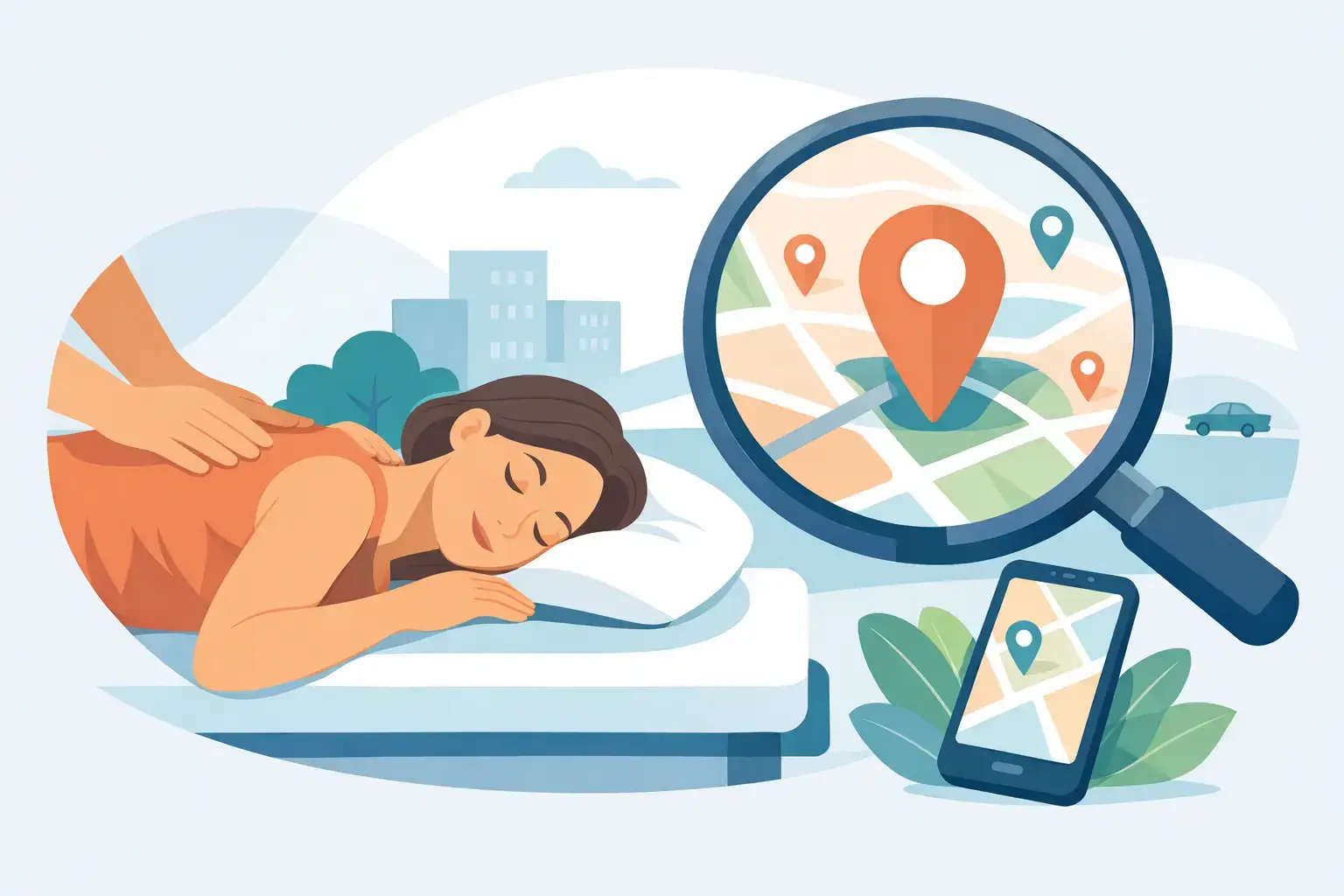
Finally, look closely at provider specialization. A therapist may be excellent at relaxation massage but not offer lymphatic drainage or prenatal work. A local search platform like MySpaList can speed this up by letting you compare service types, locations, and provider details without bouncing between scattered listings.
The fastest way to book well is to be specific. When you know what your body needs, finding the right local therapist becomes much easier.