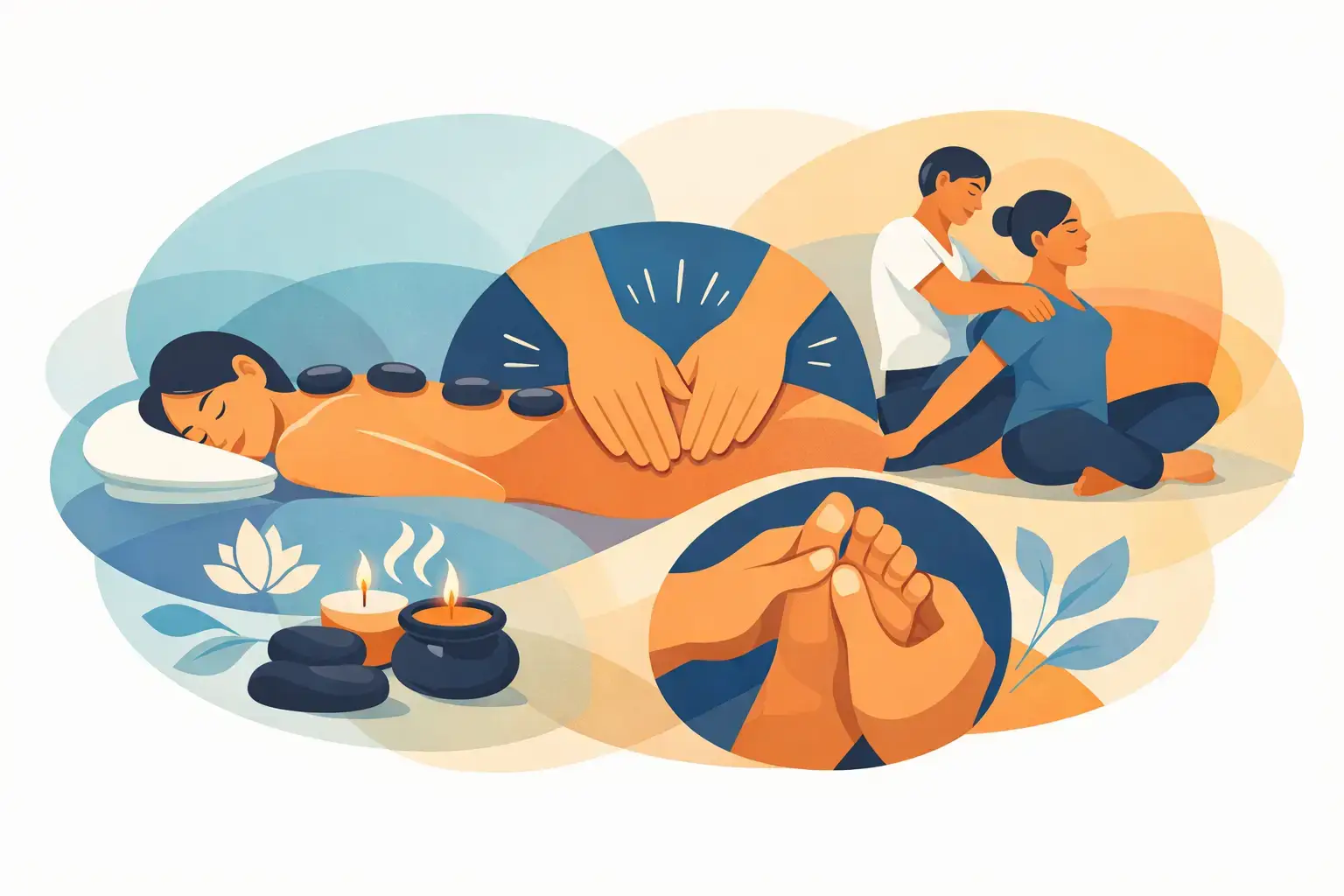
If you have ever looked at a massage menu and paused at terms like myofascial release, lymphatic drainage, reflexology, or Thai massage, you are not alone. Specialty massage techniques can sound highly specific because they are. They are built around different goals, body mechanics, pressure levels, and treatment styles, which means the right choice depends less on what sounds appealing and more on what your body needs.
A general relaxation massage can be a good fit when stress is the main issue. But when you are dealing with athletic recovery, pregnancy discomfort, post-workout soreness, swelling, chronic tension, or limited range of motion, a more targeted modality often makes more sense. That is where specialty services become useful. They help narrow the gap between a broad wellness appointment and a session designed for a clear purpose.
What makes specialty massage techniques different
The difference is not just branding. Specialty massage techniques usually follow a specific method, treatment philosophy, or bodywork tradition. Some focus on muscle layers and structural tension. Others prioritize circulation, nervous system support, or mobility. A few are designed around a stage of life, like prenatal massage, while others are tied to performance and recovery.
This matters because two people with similar symptoms may need very different approaches. Tight shoulders from desk work may respond well to deep tissue or myofascial work. Heavy legs after travel or surgery recovery may call for lymphatic drainage. Stress that shows up as jaw tension, shallow breathing, and sleep issues may improve more with a slower, calming treatment than with aggressive pressure.
Pressure is also not a reliable shortcut. Stronger is not always better, and lighter does not mean less effective. In several specialties, technique matters more than force.
Common specialty massage techniques and when they fit
Deep tissue massage
Deep tissue is one of the most requested specialty services because people often associate pain relief with firm pressure. It can be helpful for chronic muscle tension, postural strain, and areas that feel stuck or restricted. Therapists often work more slowly and focus on deeper muscle layers and connective tissue.
That said, deep tissue is not ideal for everyone. If you are highly sensitive, inflamed, bruising easily, or simply looking to relax, it may feel too intense. A good therapist can adjust pressure, but the technique still tends to be more corrective than soothing.
Sports massage
Sports massage is not only for competitive athletes. It is also a practical option for runners, gym regulars, cyclists, and anyone with repetitive-use tension. Sessions may focus on performance support, pre-event prep, post-event recovery, or maintenance between workouts.
What makes it distinct is the goal. The therapist may use compression, stretching, targeted friction, and mobility-focused work rather than a full-body relaxation flow. If you want to stay active without feeling beat up after training, this can be a strong fit.
Prenatal massage
Prenatal massage is tailored to the physical changes of pregnancy. It often addresses low back discomfort, hip tension, leg fatigue, and general stress. Positioning, bolstering, and pressure all matter here, which is why clients usually look for a therapist specifically trained in prenatal care.
The benefit is not only comfort. The right session can help a pregnant client feel more supported, sleep better, and move with less strain. The trade-off is that not every technique used in standard massage will be appropriate, and therapist experience matters a lot.
Lymphatic drainage massage
Lymphatic drainage uses very light, rhythmic movements to encourage lymph flow. It is often sought out after cosmetic procedures, during periods of swelling, or by clients who want a gentler bodywork experience that supports circulation and fluid movement.
This is one of the clearest examples of why light touch should not be underestimated. It is subtle by design. If you walk in expecting deep pressure, it may seem too soft. If your actual goal is swelling reduction or post-procedure support, that softness is the point.
Thai massage
Thai massage is usually more active than table-based massage. It often involves assisted stretching, compression, and guided movement, and it is commonly performed on a mat with the client fully clothed. People who feel stiff, compressed, or limited in mobility often respond well to it.
It can feel energizing rather than sleepy. That makes it a great option for some clients and the wrong one for others. If all you want is to lie still in a dim room, Thai may not match the mood you have in mind.
Reflexology
Reflexology focuses mainly on points in the feet, and sometimes the hands or ears, that are believed to correspond with different areas of the body. Some clients book it for stress relief, others because they prefer targeted foot work, and some simply find it deeply calming.
Results can be personal. One client feels a whole-body reset, while another mainly enjoys focused attention on overworked feet. It is best viewed as a distinct service rather than a substitute for full-body therapeutic massage.
Myofascial release
Myofascial release addresses fascia, the connective tissue that surrounds muscles and structures throughout the body. Sessions often use sustained pressure and slow stretching to reduce restrictions and improve movement. It can be especially useful for long-standing tension patterns and areas that feel tight without obvious muscle knots.
This work can be highly effective, but it is not always the most relaxing. It requires patience, good communication, and a therapist who understands how to follow tissue response rather than rush through the session.
How to choose the right modality for your goal
The fastest way to narrow your options is to start with your reason for booking. If your main issue is stress, Swedish massage, reflexology, or a gentler therapeutic session may be enough. If you want help with pain, stiffness, or training recovery, deep tissue, sports massage, or myofascial release may be more appropriate. If you are pregnant or recovering from a procedure, specialty training becomes less optional and more essential.
It also helps to think about tolerance. Some clients want focused corrective work and do not mind discomfort during treatment. Others want measurable relief without feeling sore the next day. Neither preference is wrong, but it does affect which service and therapist will be the best fit.
Time matters too. A 30-minute targeted session can work well for one issue area, like neck tension or calves. A full-body modality or a session with stretching and mobility work often benefits from 60 to 90 minutes.
What to check before you book
Service names can overlap from one provider to the next, so it is worth looking past the label. One therapist’s therapeutic massage may be similar to another therapist’s deep tissue session. The better clue is the description of what they treat, how they work, and who they commonly see.
When comparing providers, focus on practical details. Look for the exact modality offered, whether the therapist mentions experience with your concern, session length options, and any notes about pressure, positioning, or treatment style. If you have a strong preference about therapist gender, location, or spa versus solo practice, filter for that early so you are not wasting time.
This is where a specialized directory can save time. Instead of sorting through broad local results, platforms like MySpaList help users compare independent therapists and spas by service type, geography, and specific treatment needs.
A few trade-offs worth knowing
Not every specialty massage is covered by the same expectations. A hot stone or relaxation-focused service may leave you calm right away. Deep tissue or myofascial work may leave you feeling looser later, but not necessarily during the session. Thai massage may improve mobility while feeling more like assisted bodywork than traditional massage.
There is also a difference between a good modality and a good match. A highly rated treatment style can still be wrong for your body, schedule, or comfort level. The therapist’s skill, communication, and ability to adapt are often as important as the modality itself.
If you are unsure, it is reasonable to contact a provider and ask a simple question: I have this issue, and this is what I want to get out of the session. Is this the right service to book? A clear answer usually tells you a lot about their fit.
The best specialty massage techniques are not the trendiest ones or the ones with the most dramatic names. They are the ones that match your goal, your body, and your comfort level well enough to make the appointment feel worth repeating. Start there, and finding the right local service gets much easier.